Every day, oil spills devastate marine life, wreck coastal economies, and infiltrate food chains.
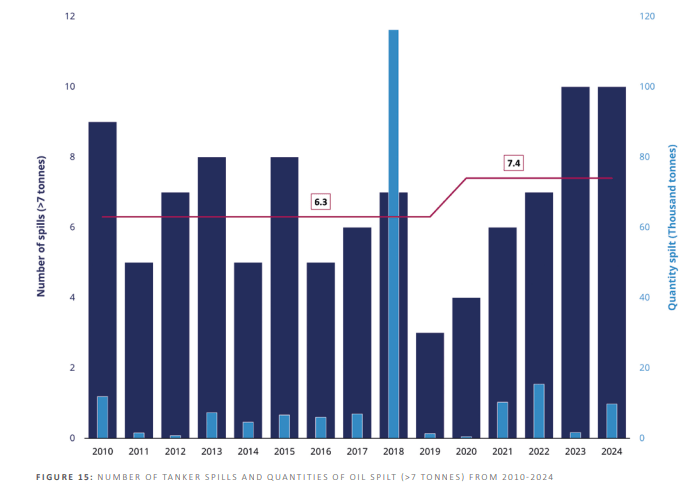
When it comes to the tanker spills (known or reported), according with ITOPF.org ten oil spills over 7 tons were recorded in 2024. This brings the decade average 7.4 a slight increase on the average for the 2010s where 6 out of 10 incidents in 2024 resulted in spills greater than 700 tons and are classified as “large spills”.
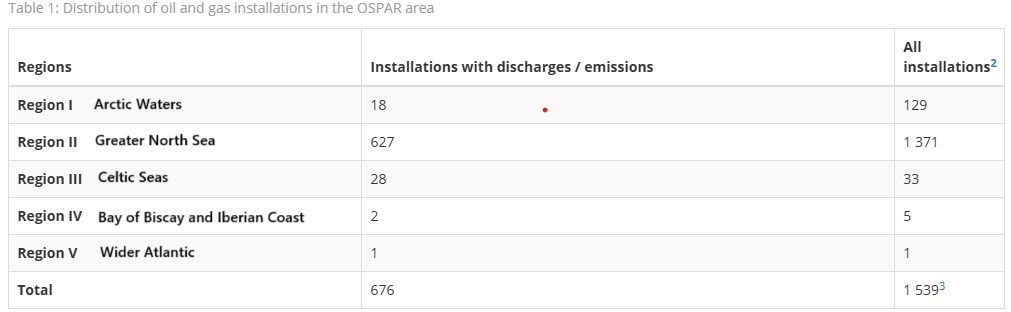
When it comes to oil and gas industry according to OAP OSPAR Assessment Portal, QST 2023 (oap.ospar.org) there are 676 installations with discharges and 1539 including the subsea installations. Additionally, the Bureau of safety and environmental enforcement BSEE (from US department of the interior) there were 12 reported incidents with >1 BBL spills.
According with United nations, The Sustainable Development Goals Report 2024, Goal 14 – Life under water (unstats.un.org) the Ocean face significant challenges from eutrophication, worsening acidification, declining fish stocks, rising temperatures and widespread pollution. All these factors destroy habitats, diminish biodiversity and threaten coastal communities and the health of marine ecosystems, vital to over 3 billion people. Comprehensive global action is under way, yet it must accelerate.
While ocean advocacy organizations like Ocean Conservancy, Oceana, and WWF are leading global efforts in marine protection, there’s a critical gap that threatens to undo their progress: the lack of integrated oil spill readiness and real-time pollution surveillance.
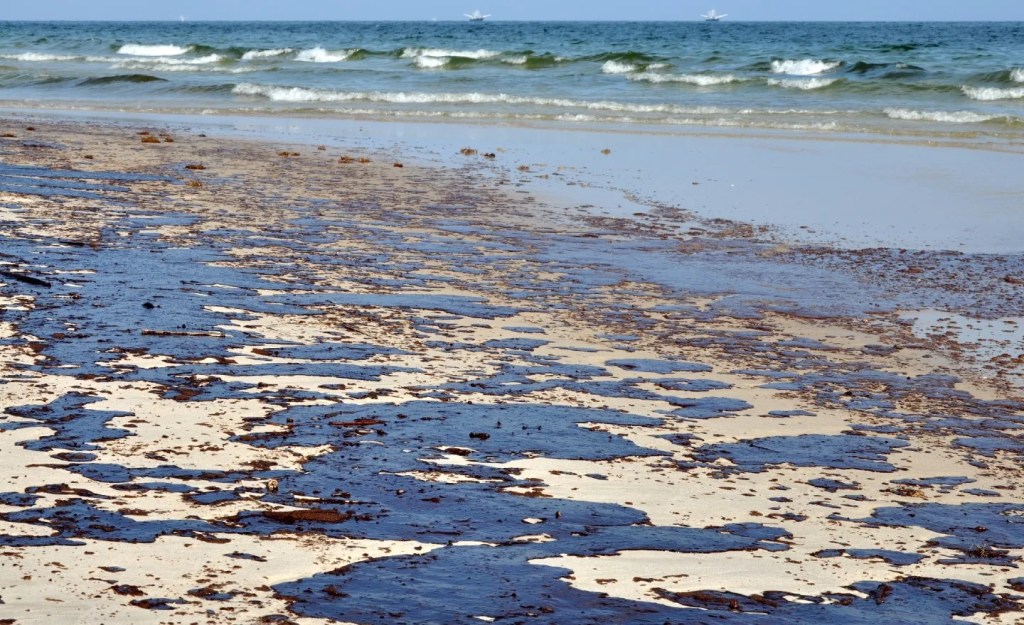
Despite decades of action, plastic gets the headlines, but oil and chemical spills and other heavy metals goes unreported causing massive environmental damage. From the Deepwater Horizon disaster to silent leaks off shipping routes, the threat is persistent and under-addressed.
There were some other missions where community maps were gathered to show the oil leaks across the shore (for example: in Brazil) however this are reactive matters and we need to be closer to the source.
What’s Missing Across the Sector:
- A global oil spill watch platform combining real-time, satellite, and community data.
- Real-time pollution heatmaps that track all types chemical discharges.
- Open-access reporting tools that empower citizens and seafarers to flag spills.
- Cross-sector enforcement protocols for spill response in key coastal areas.
- An early-warning system that can predict and mitigate transboundary spill threats using AI.
Where NGOs Currently Fall Short:
- Few have rapid-response capabilities for chemical or oil contamination.
- Citizen science initiatives are rarely equipped to document industrial spills.
- Oil spill monitoring data is fragmented between governments, private operators, and NGOs.
- Most digital tools focus only on plastic while neglecting other hazardous pollutants like petroleum-based waste or heavy metal.
Conclusion:
Plastic is only part of the story. To truly protect our oceans, we must confront other type pf pollutants and all type of spills, challenge silent leaks, and digitize the defense of our blue planet. It’s time to fill the oil gap in ocean conservation—before the next disaster strikes.
 SaveOCEAN
Leave a comment