
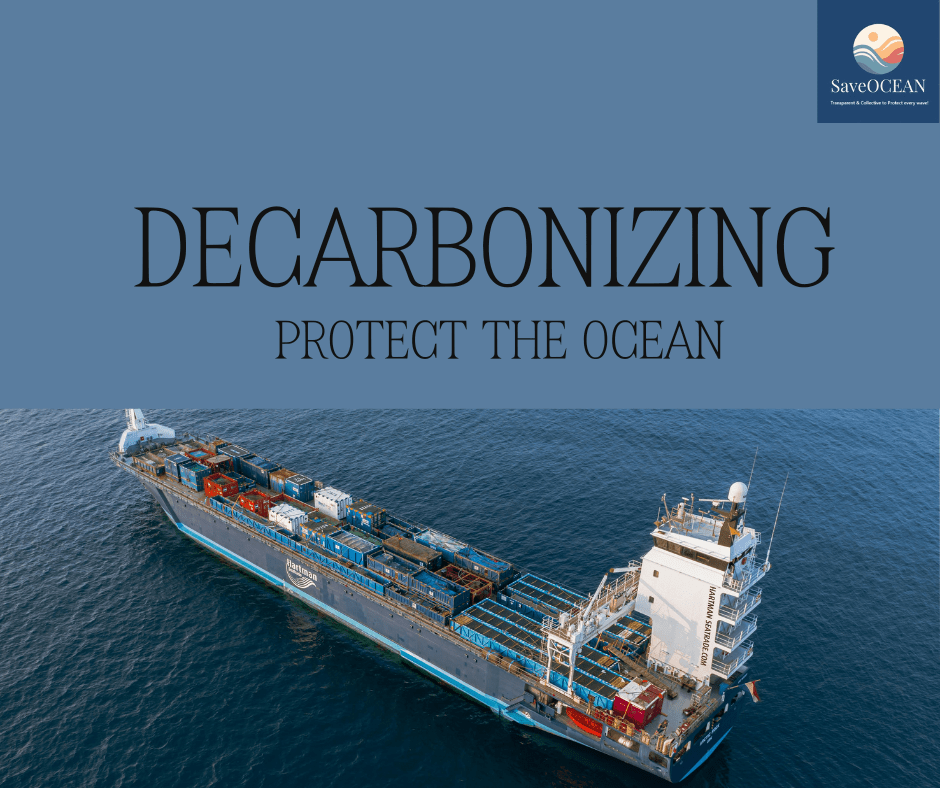
The International Maritime Organization (IMO) is racing to finalize Mid-Term Measures (MTMs) under its Net-Zero Framework.
By early 2025, IMO member states must agree on a package of measures – including a new global fuel standard and carbon pricing – that will be incorporated into MARPOL to drive maritime decarbonization. IMCA has been active at all these IMO sessions summarizing progress in Information Notes and helping members prepare.
These complex proposals aim to cut:
- GHG emissions from shipping by 20–30% by 2030
- 70–80% by 2040
- Reach net-zero by 2050
IMCA’s Position and Advocacy
IMCA has voiced that offshore vessels have unique fuel and operational profiles, so regulations must be pragmatic. Its Marine Policy & Regulatory Affairs (MPRA) Committee has worked for years to develop suitable carbon intensity metrics for the offshore sector. Margaret Fitzgerald (IMCA’s Head of Legal & Regulatory Affairs) has urged members to continue sharing fuel use data, emphasizing that this evidence-based approach will ensure the offshore sector’s particular circumstances are “taken into account” as rules are drafted.
A distinctive aspect of IMCA’s strategy is its data-driven approach. As noted, IMCA has spent years collecting fuel-use data to develop offshore-specific emission metrics. In 2019, its MPRA committee identified two candidate carbon-intensity indicators. This level of analysis – grounded in actual offshore operations – is a unique contribution IMCA makes to ensure global rules are fair to marine contractors.
ProjectGHG Campaign and Decarbonization Efforts
To coordinate its industry response, IMCA launched ProjectGHG in 2023 as a central campaign on emissions reduction. ProjectGHG provides a hub of resources – including IMO updates, regulatory analysis and technology reports – aimed at helping members “chart a course to Net Zero”.
IMCA has also invited members to participate actively. It encourages companies to share their fuel consumption data anonymously to support its evidence-based engagement with IMO.
Importantly, IMCA’s emissions work aligns with broader marine conservation and “SaveOCEAN” mission or other global advocacy organizations within the marine conservation. Reducing emissions from offshore operations directly addresses ocean acidification, marine biodiversity loss, and climate-related disruptions to critical ecosystems.
As IMCA supports members in reducing their GHG footprint, it is indirectly contributing to the long-term health of the world’s oceans – a core priority for environmental NGOs, scientists, and the United Nations Decade of Ocean Science.
Sustainable Offshore Energy and Standards
IMCA’s unique contributions also include its Environmental Sustainability Committee initiatives. This Committee oversees an updated Code of Practice and a self-assessment tool to help members tackle climate and environmental challenges. Together, these provide a framework for companies to benchmark their sustainability performance and continuously improve.
Through such efforts, IMCA adds value to the broader marine sustainability agenda – not only by influencing policy, but also by helping operators move toward operational excellence with environmental care. In all these ways – from technical guidance to contract design to strategic frameworks – IMCA brings the offshore perspective to the global conversation on protecting marine ecosystems.
Looking Ahead: Challenges and IMCA’s Next Steps
The road to IMO’s 2050 goals will be rocky. Member states face tough choices on carbon pricing, fuel standards and vessel metrics. Implementation will require new fuel blends, possibly onboard carbon levies, and rigorous emissions monitoring.
IMCA notes that the current “global fuel standard” proposal and carbon tax mechanisms under discussion are “extremely complex”, underscoring the need for careful tailoring to the offshore sector. In coming months, IMCA will continue updating members after each IMO session and publishing guidance on any adopted rules. Read more here.
Meanwhile, IMCA’s initiatives will press on
- ProjectGHG events and information releases will keep focus on technology and best practice. The GHG Committee will publish its Info Notes and white paper, and IMCA will encourage data sharing via its fuel data program.
- Training and awareness will be raised at industry conferences (IMCA’s DP and Offshore Wind meetings, etc.) to help contractors adapt.
- On the regulatory front, IMCA is also alert to developments beyond the IMO – for example, new EU shipping rules and carbon markets – and will help members navigate those too.
In summary, IMCA is deeply embedded in the IMO’s net-zero debate and is shaping a sustainable path forward for offshore operations. By combining policy advocacy, evidence-based research, technological foresight, and environmental alignment, IMCA ensures its members are prepared not only to comply with regulations but to play an active role in protecting the oceans for future generations.
 SaveOCEAN
Leave a comment