
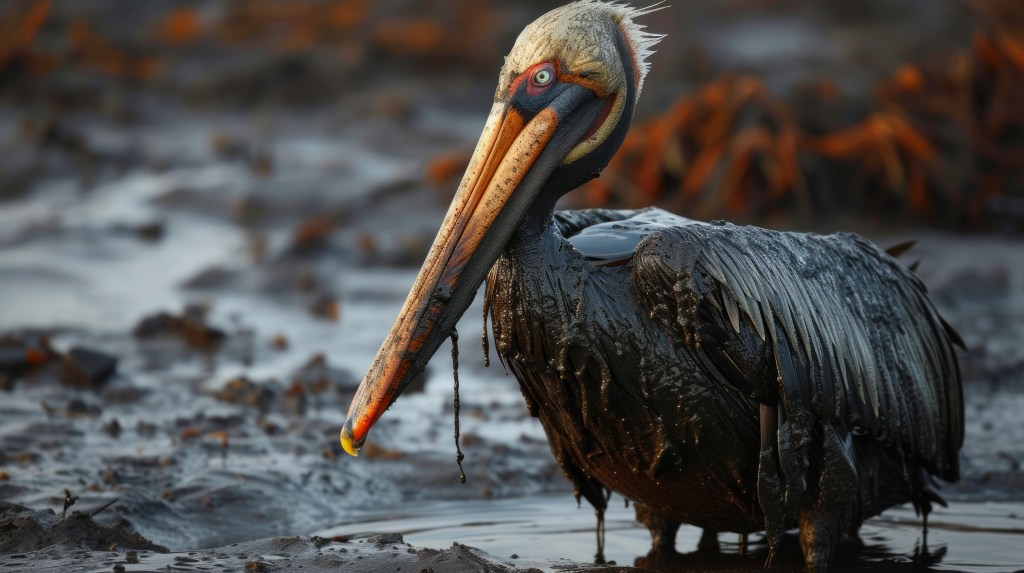
The global landscape of oil spill management is characterized by a complex, multi-layered network of international conventions, national governmental agencies, industry-led initiatives, and non-governmental organizations. While prevention remains the paramount objective, the increasing scale of global maritime trade and offshore energy activities necessitates robust preparedness and response capabilities.
This report provides a deep analysis of diverse oil spill programs worldwide, highlighting their operational focus, policy frameworks, training initiatives, and collaborative efforts. A prevailing theme across these programs is the shift from purely reactive cleanup to comprehensive prevention and preparedness, underpinned by data-driven approaches, technological advancements, and a growing emphasis on public-private partnerships and community engagement. The core objective is to identify and articulate the key observations from each program, shedding light on their operational methodologies, demonstrated effectiveness, and unique contributions to the overarching global oil spill management landscape.
International Frameworks and Collaborative Initiatives
International Maritime Organization (IMO) & OPRC Convention
The International Maritime Organization (IMO) serves a pivotal coordinating role in establishing a global framework for international cooperation in combating major marine pollution incidents.
Significant development is the evolution towards “all-hazards” preparedness. The expansion of the OPRC (International Convention on Oil Pollution Preparedness, Response and Co-operation) framework to include Hazardous and Noxious Substances (HNS) through the OPRC-HNS Protocol reflects a broader recognition of the diverse range of marine pollution threats. This progression indicates a strategic shift from a purely oil-centric approach to a more comprehensive preparedness model, acknowledging that various substances can pose similar or even greater environmental and health risks.
In terms of key activities:
- Promotes cooperation among its member states through the establishment of bilateral and multilateral agreements. This facilitates urgent access to technical assistance and response resources when a major pollution emergency arises.
- Supporting the development of national and regional capacities for preparedness and response.
- Development of IMO model training courses, which provide standardized instruction for oil spill response personnel globally.
United Nations Office for Disaster Risk Reduction (UNDRR)
The United Nations Office for Disaster Risk Reduction (UNDRR) serves as the lead UN agency for the coordination of disaster risk reduction. The Sendai Framework for Disaster Risk Reduction 2015-2030 provides the overarching global agenda for UNDRR’s work. The framework outlines seven global targets and four priorities for action:
- Enhancing disaster preparedness for effective response.
- Understanding disaster risk,
- Strengthening disaster risk governance to manage disaster risk,
- Investing in disaster reduction for resilience,
Several points of engagement with the issue of oil and chemical water pollution are in focus:
- The IMO oil pollution manual is referenced as a valuable resource, suggesting UNDRR’s recognition of the importance of established guidelines for managing oil spills.
- Notably, a call for Prevention and Preparedness Projects on Civil Protection and Marine Pollution in 2022 indicates a direct effort to address pollution within disaster risk reduction initiatives. This call specifically identified marine pollution as one of four key priorities, alongside risk assessments, risk awareness, and early warning systems, highlighting a tangible step towards funding projects in this area.
International Tanker Owners Pollution Federation (ITOPF)
The International Tanker Owners Pollution Federation (ITOPF) operates as a not-for-profit organization and specializes in providing technical advice and services related to accidental ship-source pollution worldwide. Since its establishment in 1968, ITOPF has accumulated extensive experience, having attended over 850 pollution incidents in approximately 100 countries.
ITOPF offers a suite of critical services, including 24/7 attendance at spill incidents, serving as a primary source of information on ship-source pollution, advising governments and industry on contingency planning, conducting specialized training and education programs, and providing expert claims analysis and damage assessment.
A notable observation from ITOPF’s operations is its data-driven performance monitoring and continuous improvement. The organization’s extensive database of oil spills allows for empirical evaluation of global prevention and response efforts.
Furthermore, ITOPF exhibits a proactive adaptation to evolving industry risks. The organization’s consistent production of reports on the fate and hazards associated with spills of alternative fuels, such as Liquefied Natural Gas (LNG), Liquefied Petroleum Gas (LPG), Methanol, and Hydrogen, as well as the risks posed by Li-ion batteries, indicates a forward-looking approach to emerging pollution threats.
A critical function performed by ITOPF is bridging the gap in uninsured or unknown source spills. The organization’s proactive mobilization and provision of technical advice in incidents where no identifiable shipowner or insurer is available, as seen in the 2019 Brazil incident and the 2024 Tobago incident, highlight its vital role in addressing deficiencies in traditional liability frameworks. When the source is unknown or uninsured, cleanup costs can fall to governments. ITOPF’s involvement, often at the request of the International Oil Pollution Compensation (IOPC) Funds, provides essential technical expertise in these challenging scenarios, ensuring that response efforts remain effective even when financial accountability is unclear.
International Petroleum Industry Environmental Conservation Association (Ipieca)
Ipieca, the global oil and gas industry association for environmental and social issues, has dedicated over 35 years to harnessing the collective expertise and technology of the oil and gas industry for marine spill preparedness and response.
Ipieca’s key programs and tools include:
- The Global Initiative (GI): A collaborative program established with the IMO, the GI aims to assist countries in developing their national oil spill preparedness and response capabilities through direct government-industry cooperation. This initiative operates through regional projects, such as GI WACAF (West, Central and Southern Africa) and GI SEA (Southeast Asia), focusing on critical elements like legislation, contingency planning, resource allocation, training, exercises, and inter-state cooperation. The GI WACAF project alone has delivered over 120 activities between 2006 and 2020, demonstrating its operational reach.
- Readiness Evaluation Tool for Oil Spills (RETOS™): Developed in partnership with Arpel and IMO, this web application (updated in 2024) is designed to help governments and companies assess their oil spill response planning and readiness against internationally agreed best practices. It has seen widespread adoption, being used in over 100 countries globally.
- Incident Management System (IMS) Guidance: Ipieca provides guidance on IMS, which is considered essential for optimizing response times, enhancing efficiency, clarifying command and control structures, improving resource coordination, and facilitating communication during spill incidents.
- Technical Guidance: The association publishes extensive technical guidance documents on various aspects of spill response, including the use of dispersants, management of marine spill response resources, shoreline response techniques, and oil spill surveillance planning.
Regional Marine Pollution Emergency Response Centre for the Mediterranean Sea (REMPEC)
The Regional Marine Pollution Emergency Response Centre for the Mediterranean Sea (REMPEC), established in Malta in 1977, operates under the umbrella of the UNEP/MAP and the Barcelona Convention. Its core mission is to assist Mediterranean coastal states in preventing, preparing for, and responding to marine pollution from ships. Over time, REMPEC’s mandate has broadened from an initial focus on oil combating to include preventive actions and the management of hazardous substances.
Key activities:
- Promoting regional cooperation among Mediterranean coastal states,
- Developing and advocating for strategies and action plans (such as the Mediterranean Strategy addressing pollution from ships),
- Facilitating crucial meetings, including those of the Barcelona Convention Offshore Oil and Gas Group.
- A notable operational activity is its support for monitoring oil spills through the use of advanced models like MEDSLIK, which is downscaled from Copernicus Marine Service data, enabling more accurate predictions of oil drift.
Finally, REMPEC’s involvement in the effective application and awareness campaigns for the Mediterranean Sulphur Emission Control Area (Med SOx ECA) highlights its role in addressing emerging regulatory challenges. The Med SOx ECA represents a relatively new regulatory measure designed to reduce air pollution from ships.
OSPAR Commission
The OSPAR Commission functions as a legal mechanism facilitating cooperation among its contracting parties (which include Belgium, Denmark, France, Germany, Norway, the United Kingdom, and the European Union) to protect the marine environment of the North-East Atlantic. A key aspect of its work involves the annual collection of data on accidental spills of oil and chemicals from offshore activities, with published reports detailing observed trends.
OSPAR has implemented a range of measures aimed at reducing routine discharges from the offshore oil and gas industry, encompassing produced water, drilling fluids, and various chemicals. The Commission also dedicates efforts to the establishment and management of Marine Protected Areas (MPAs).
Finally, OSPAR’s annual collection and assessment of data on discharges, spills, and emissions from offshore oil and gas installations highlight its reliance on data-driven policy making for the offshore industry.
Table 1: International Oil Spill Programs – Focus, Scope, and Key Achievements
| Organization Name | Primary Mandate | Key Programs | Achievements |
|---|---|---|---|
| IMO | Global framework for marine pollution preparedness & response | OPRC 90, OPRC-HNS Protocol, ITCP, Model Training Courses | Establishes national systems & mutual assistance; extended framework to HNS; funds delegates from developing countries for training |
| UNDRR | UN agency for the coordination of disaster risk reduction: supporting in implementation, monitoring, and review of progress on disaster risk reduction | established guidelines for managing oil spills; address pollution within disaster risk reduction initiatives; regulatory frameworks in controlling oil pollution from shipping | The 2022 call for Prevention and Preparedness Projects on Civil Protection and Marine Pollution resulted in one awarded proposal focused on marine pollution. |
| ITOPF | Technical advice & services for ship-source pollution | 24/7 Spill Response, Information Services, Contingency Planning, Training & Education, Claims Analysis, Oil Spill Database, TIPs, Alternative Fuels Reports | Over 850 incidents attended in 100 countries; 90% reduction in spills >7 t since 1970s; proactive reports on emerging fuel risks; assists in uninsured spills |
| Ipieca | Oil & gas industry expertise for marine spill preparedness & response | Global Initiative (GI) with IMO (GI WACAF, GI SEA), RETOS™ tool, IMS Guidance, Technical Guidance publications | GI WACAF delivered 120+ activities (2006-2020); RETOS™ used in 100+ countries; extensive technical guidance dissemination |
| REMPEC | Prevention, preparedness & response to marine pollution from ships in Mediterranean | Regional Cooperation, Strategies & Action Plans, Scientific Modeling (MEDSLIK), Publications | Assists Mediterranean coastal states; uses advanced models for operational response; involved in Med SOx ECA implementation |
| OSPAR Commission | Protect marine environment of North-East Atlantic from offshore activities | Annual data collection on spills/discharges, Measures to reduce routine discharges, Marine Protected Areas (MPAs) | Measurable decrease in emissions & discharges; significant improvement in North-East Atlantic quality; data-driven policy making. |
UNEP
UNEP
The United Nations Environment Program (UNEP) plays a critical role in safeguarding the global marine environment through its overarching mandate to address the triple planetary crisis of climate change, biodiversity loss, and pollution.
A cornerstone of UNEP’s strategic approach is the Regional Seas Program (RSP), which translates global environmental goals into actionable regional frameworks for marine protection and sustainable management. A notable achievement is the UNEP-led Global Partnership for Clean Fuels and Vehicles, which successfully advocated for the global ban on leaded petrol, thereby preventing millions of premature deaths annually.
Within this global architecture, the Northwest Pacific Action Plan (NOWPAP) stands as a vital regional initiative, specifically focusing on the marine and coastal environment of the Northwest Pacific. A key indicator of NOWPAP’s strategic relevance and impact is its direct contribution to the implementation of Sustainable Development Goal (SDG) 14.
NOWPAP’s primary operational arm for addressing marine pollution incidents is its Marine Environmental Emergency Preparedness and Response Regional Activity Centre (MERRAC).
Established through a collaborative effort between UNEP and the International Maritime Organization (IMO), MERRAC is instrumental in building regional capacity and coordinating effective responses to oil and hazardous and noxious substances (HNS) spills.
Key programs include:
- NOWPAP Regional Oil
- HNS Spill Contingency Plan (RCP).
The development of the Web GIS-based information system and the information sharing platform demonstrates a strategic investment in digital tools that enable better data visualization and coordinated response.
National Government-Led Programs
United States: NOAA, EPA, USCG, FWS, State-level
Key agencies and their roles within this intricate system include:
Environmental Protection Agency (EPA): The EPA serves as the lead federal response agency for oil spills occurring in inland waters. Its primary focus is on prevention, implementing regulations such as the Spill Prevention, Control, and Countermeasure (SPCC) rule and the Facility Response Plan (FRP) rule. The EPA also provides crucial training resources tailored for regional inspectors, facility owners and operators, and tribal partners.
U.S. Coast Guard (USCG): In contrast, the USCG is designated as the lead response agency for spills in coastal waters and deep-water ports. A critical function of the USCG is the administration of the Oil Spill Liability Trust Fund (OSLTF), which is designed to cover cleanup costs and damages when the responsible party is unknown or unwilling to pay. This fund can provide up to $1 billion for any single oil pollution incident, financed primarily by a tax on imported and domestic oil, as well as cost recovery from polluters and penalties.
National Oceanic and Atmospheric Administration (NOAA) Office of Response and Restoration (OR&R): NOAA’s OR&R provides essential scientific support during oil and chemical spills. This includes developing sophisticated trajectory models like GNOME (General NOAA Operational Modeling Environment), mapping tools such as ERMA® (Environmental Response Management Application), and Environmental Sensitivity Index (ESI) maps that identify vulnerable coastal resources. OR&R plays a significant role in the Natural Resource Damage Assessment (NRDA) process, which aims to recover funds from polluters for environmental restoration. Over the past 30 years, NOAA has helped recover more than $9 billion for ocean and Great Lakes restoration.
- Further details about the NOOA approach can be read here: https://saveocean.net/2025/05/19/the-power-of-global-collaboration-in-disaster-response/
U.S. Fish & Wildlife Service (FWS): Through its National Conservation Training Center (NCTC), the FWS offers specialized training programs, such as “Inland Oil Spill Response for DOI,” aimed at preparing Department of Interior personnel. These courses cover critical topics including OPA 90 regulations, response procedures for inland and freshwater environments, Shoreline Cleanup Assessment Technique (SCAT), and wildlife rescue and rehabilitation operations.40 The FWS has also pioneered the development of immersive virtual reality (VR) training modules for specific tasks like mussel assessment in inland spills, enhancing training efficacy through interactive scenarios.
National Institute of Environmental Health Sciences (NIEHS) Worker Training Program (WTP): The NIEHS WTP funds a network of non-profit organizations that provide crucial health and safety training for hazardous materials handlers and emergency responders. This program offers a comprehensive 40-hour Hazardous Waste Operations and Emergency Response (HAZWOPER) training for supervisors and workers with direct contact with oil spill products, as well as shorter two- and four-hour awareness courses for those with minimal contact. Since 1987, the WTP has trained nearly 5 million workers, including thousands involved in the Deepwater Horizon cleanup.
Washington State Department of Ecology – Spill Prevention, Preparedness, and Response Program: with the overarching goal of achieving “zero spills” in the state. The program emphasizes prevention as the most effective strategy, alongside robust preparedness measures and a rapid, well-coordinated response when spills do occur. The program also oversees environmental restoration after spills, utilizing the Natural Resource Damage Assessment (NRDA) process to determine damages and fund restoration projects.
TEEX (Texas A&M Engineering Extension Service): offers a comprehensive Oil Spill Response program providing training for industrial, agency, and private sector emergency response personnel.
A key observation is the existence of the Oil Spill Liability Trust Fund (OSLTF) and the Natural Resource Damage Assessment (NRDA) process which highlights the financial mechanisms for long-term accountability and restoration. The OSLTF’s has capacity to provide up to $1 billion per incident, funded by a tax on oil and cost recovery from polluters.
United Kingdom: Maritime and Coastguard Agency (MCA)
MCA is the authority for counter-pollution response, bearing the responsibility for responding to maritime emergencies and minimizing the impact of pollution. The MCA serves as the custodian of the UK’s National Contingency Plan (NCP). The MCA manages the UK Government’s stockpiles of oil spill response equipment and dispersants.
Their operational activities include deploying aerial surveillance for spill assessment and overseeing environmental monitoring.
Furthermore, ports, harbors, oil-handling facilities, and offshore installations within the UK are mandated to submit OPRC Plans to the MCA, ensuring a coordinated national preparedness effort.
Japan: Japan Coast Guard, MDPC, PAJ
The Japan Coast Guard (JCG) serves as the lead government agency for salvage and spill response, working closely with the Maritime Disaster Prevention Centre (MDPC) and the Petroleum Association of Japan (PAJ).
The JCG is responsible for receiving spill notifications (via a nationwide emergency number 118), dispatching vessels and aircraft for assessment, and overseeing the initial response. While the shipowner is legally required to undertake cleanup operations, the MDPC, a joint government-industry funded entity, steps in to respond if an incident exceeds the owner’s capabilities. The MDPC maintains oil recovery vessels and stockpiles equipment through a network of commercial cleanup contractors. The PAJ, representing the oil industry, complements this by establishing its own stockpiles of containerized equipment at strategic locations, available for major spills.
Japanese policy prioritizes the use of booms, skimmers, and nets for oil recovery, with legislation requiring vessels and petroleum facilities to maintain designated quantities of such equipment.
Australia: National Plan for Maritime Environmental Emergencies (AMSA)
The Australian Maritime Safety Authority (AMSA) is the federal government agency responsible for administering the “National Plan to Combat Pollution of the Sea by Oil and other Noxious and Hazardous Substances”
AMSA provides a national response capability for marine pollution, including specialized equipment and expertise in oil spill remediation. AMSA’s capabilities include spill trajectory modeling and the National Environmental Maritime Operations (NEMO) incident management system.
AMSA’s Corporate Plan 2024-25 includes a key performance indicator for oil spill response: “Timeliness of response to significant oil spill incidents,” with a target of being ready to deploy services, resources, or managed capabilities within 4 hours of a Level 2 (or higher) incident assessment.
Brazil: Evolving National Contingency Plan
Brazil, with its extensive coastal strip of over 8,500 km, faces significant challenges in managing oil spills. The country’s National Contingency Plan for Oil Pollution Incidents in Waters Under National Jurisdiction (PNC) provides the government’s institutional response structure for such events.
The Federal Environment Agency (Ibama), the Brazilian Navy (Marinha do Brasil – MB), and the Brazilian National Petroleum, Gas and Biofuels Agency (ANP) formed the “Grupo de Acompanhamento e Avaliação” (GAA) to manage the oil spill in response to the mysterious crude oil spill in 2019.
The feedback from 150 professionals involved in the response identified specific areas for improvement, including resource acquisition and management, creation of a financial fund for the PNC, better infrastructure, and enhanced communication channels within government and with affected communities. These observations emphasize the continuous need for adaptive planning and robust resource allocation in national oil spill programs.
Industry-Specific & Specialized Programs
Oil Spill Response Limited (OSRL)
Oil Spill Response Limited (OSRL) stands as the largest international industry-funded cooperative dedicated to responding to oil spills globally. As the largest industry-funded cooperative, wholly owned by its members, who collectively represent over two-thirds of the world’s oil production, OSRL provides a comprehensive suite of preparedness, response, and intervention services that complements governmental efforts.
OSRL’s services encompass:
- Membership: serving over 170 members globally
- Preparedness Services: Including incident and crisis management
- Response Services: Including dispersant application and surveillance, and subsea response.
- Training: Offering accredited programs
- Knowledge Hub: repository of first-hand experience, including case studies and insights.
National Spill Control School (NSCS), Texas A&M University-Corpus Christi
NSCS offers specialized, hands-on training that meets OSHA requirements for professionals and workers across various sectors, including oil spill response, hazardous materials handling, emergency management, as well as individuals involved in oil exploration, production, and transportation who deal with spill prevention, planning, and response.
Specific course offerings include the 40-Hour Marine Oil Spill Response Certification, Oil Spill Response Strategies & Tactics (On-Water Course), and Shoreline Cleanup Assessment Team Member (SCAT) training. NSCS has developed a strong reputation for its training programs over its many years of operation.
Ohmsett (National Oil Spill Response Research & Renewable Energy Test Facility)
Ohmsett, is the only facility in North America where full-scale oil spill response equipment testing, research, and training can be conducted in a marine environment with real oil under controlled conditions.
It allows manufacturers to test the efficiency of new designs or quantify improvements to existing equipment using specified oil and real-time data analysis, under a wide range of controlled environmental conditions (e.g., waves, currents). The ability to test and train with “real oil” and “full-size equipment” in a “controlled marine environment” is unparalleled. This provides an authentic and high-fidelity environment for evaluating equipment performance and for responders to gain practical experience that builds confidence and proficiency.
TEEX (Texas A&M Engineering Extension Service)
The Texas A&M Engineering Extension Service (TEEX) offers extensive oil spill response training programs, catering to industrial, agency, and private sector emergency response personnel.
The program’s focus on meeting regulatory compliance and enhancing operational skills is also noteworthy. By offering training that meets OSHA HAZWOPER requirements, TEEX helps ensure that workers are compliant with essential health and safety standards for hazardous waste operations.
ExxonMobil University of Spill Management
ExxonMobil offers a specialized program, the “University of Spill Management,” exclusively for its delegates. The curriculum covers an oil spill response overview (fates and effects of oil, environmental and economic impacts, preparedness), Incident Command System (ICS), and public affairs and risk management specific to ExxonMobil’s policies.
Non-Governmental Organizations (NGOs) & Education Programs
Ocean Conservancy
The Ocean Conservancy is a prominent NGO dedicated to tackling marine pollution through several main programs and initiatives. Its comprehensive approach involves research, policy advocacy, and community engagement.
Ocean Blue Project
The Ocean Blue Project is a Virginia-based national non-profit organization primarily focused on ocean cleanup and education, operating in 15 U.S. states. Its mission is to protect human health and the health of the ocean, beaches, and rivers through collaborative, community-driven efforts.
Parley Ocean School
Parley Ocean School aims to inspire and empower individuals of all ages to become “Ocean Guardians” through immersive and hands-on ocean education programs. Their youth programs simplify complex marine threats using engaging materials that balance local and global issues. While their primary focus is on marine plastic pollution, the overarching goal of ocean conservation is highly relevant to the impacts of oil spills on marine ecosystems.
Summary
Despite these advancements, challenges remain, particularly in consistently measuring the effectiveness of all programs and ensuring global uniformity in response capabilities.
The 2019 Brazil mystery spill underscored the need for contingency plans to adapt to unknown sources and for improved communication channels. As the energy landscape evolves with new fuels and shipping patterns, continuous adaptation, investment in research and development, and strengthened collaborative frameworks will be paramount to safeguarding marine and inland environments from oil pollution.
 SaveOCEAN
Leave a comment