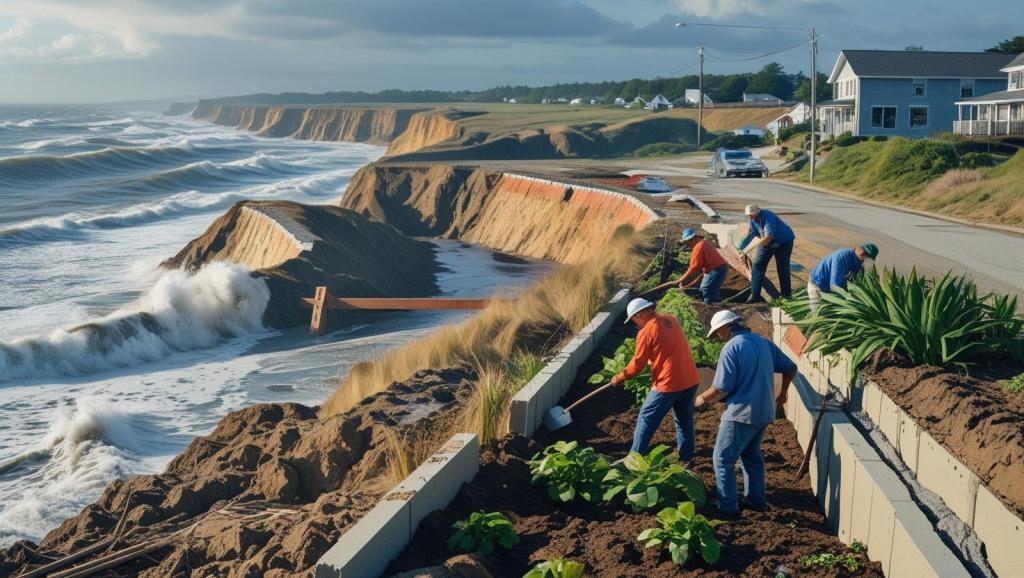
New global research reveals that coastal oceans are warming faster, acidifying more quickly, and losing oxygen at alarming rates. These vital ecosystems – lifelines for over 3 billion people – are facing cascading risks from climate change.
Read the original report here,
Key Insights
Global coastal oceans are climate hotspots: Coastal zones are home to over one-third of humanity. These zones are highly dynamic and disproportionately impacted by climate change due to their proximity to human settlements, rivers, and unique ecosystems.
The coastal zones experience intensified warming, sea-level rise, salinity shifts, changing currents, marine heatwaves, acidification, and deoxygenation, plus compounded pressure from pollution.
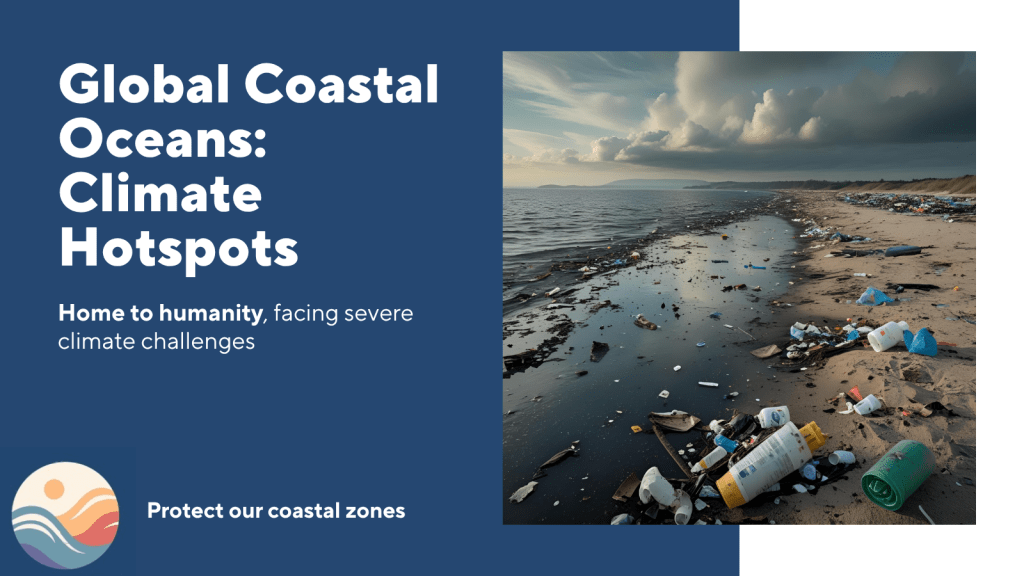
Projected warming: Most global models predict accelerated warming in coastal waters relative to open ocean, with significant regional variability.
Sea level rise and acidification: Rising sea levels threaten infrastructure, wetlands, and low-lying communities. Coastal waters are also expected to experience faster acidification than the open ocean.
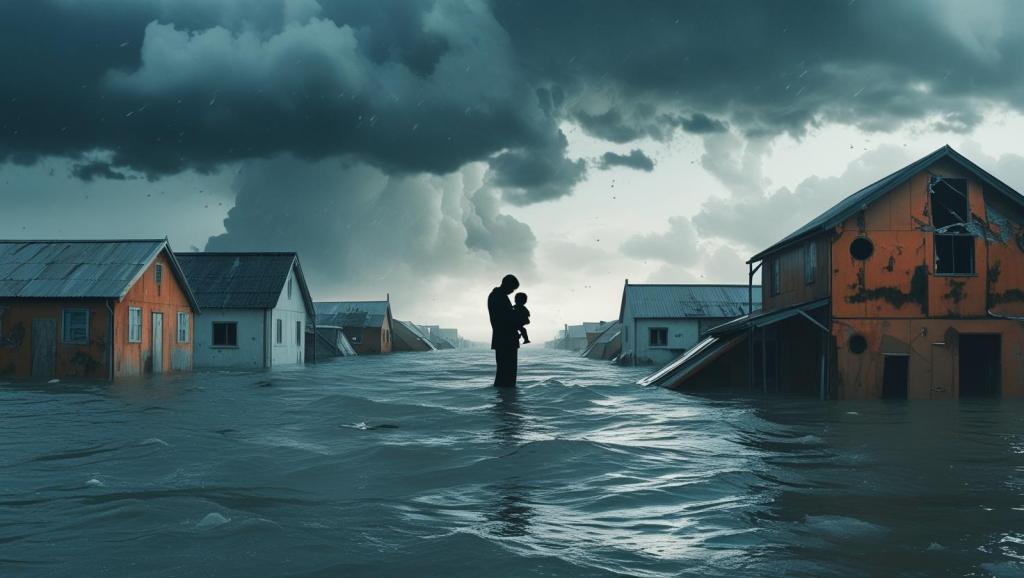
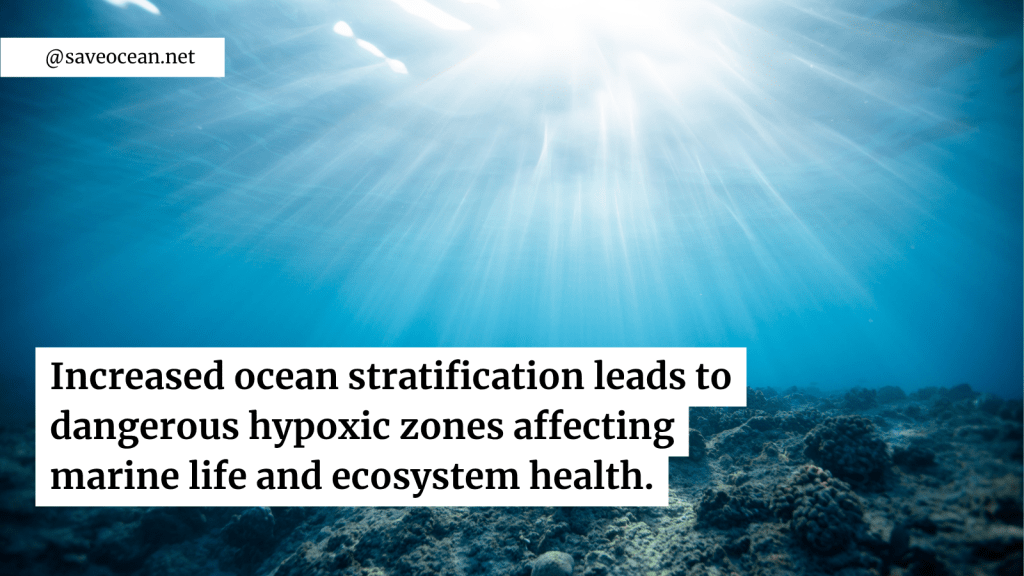
Oxygen loss and stratification: Warmer coastal oceans will become more stratified, reducing oxygen mixing and increasing the extent of hypoxic (low oxygen) zones, severely impacting marine life.
Model limitations: Global climate models (CMIP) lack sufficient resolution and process details (tides, river inflows) to accurately simulate coastal dynamics. This leads to significant uncertainty in projections for shallow, dynamic coastal systems oceanpredict.org.
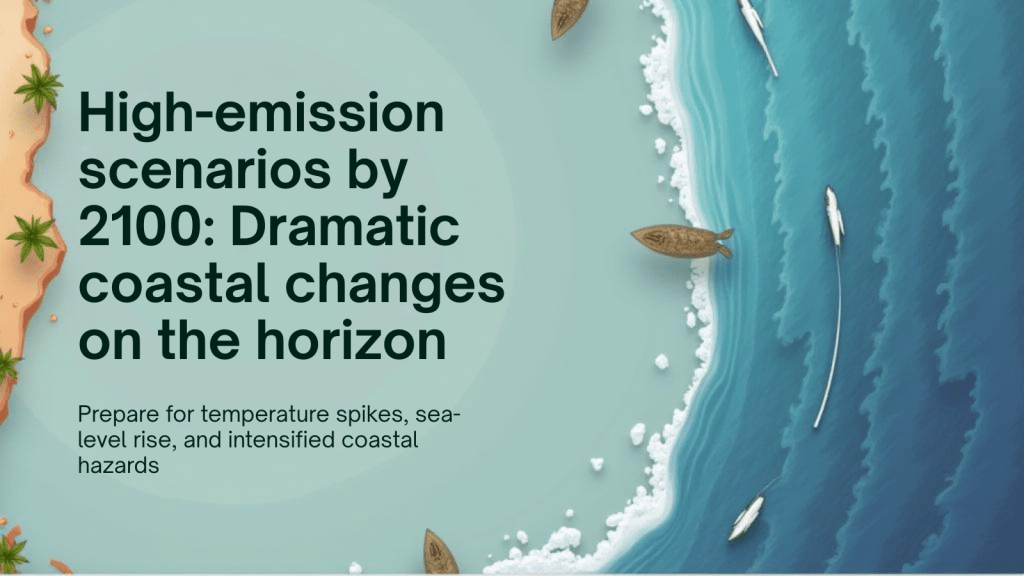
Forecasted impact: Under high-emission scenarios, dramatic coastal changes by 2100 are expected: temperature spikes, salinity alterations, accelerated sea-level rise, altered current patterns, heightened marine heatwaves (4–8× increase), and intense coastal hazards.
🔧 Proposed Solutions & Strategies
Improved model integration:
- Integrate high-resolution coastal models with global Earth system models. Include key coastal processes: river inflow, bathymetry, tides, mixing
- Enhance observational data to validate and improve models. Integrate real-time coastal observations and remote sensing for model calibration and validation .
Data sharing and global collaboration:
- Promote open-access databases and model outputs.
- Foster international research initiatives to fill geographic data gaps, especially in the Global South.
- Establish a Coastal Ocean Model Intercomparison Project (CO-MIP) mirroring CMIP for coastal zones.
Early warning systems:
- Develop robust prediction tools for extreme events (e.g., storm surges, marine heatwaves).
- Develop coastal hazard tools and vulnerability indices using ground-truth data.
- Apply AI and machine learning for anomaly detection and scenario forecasting.
Capacity Building & Standardization
- Build global practitioner networks and regional communities of practice
- Develop open-source tools and protocols for downscaling and risk assessment
Pathway to Decision-Making
- Use projections to support adaptation in coastal industries, urban planning, fisheries, tourism, and energy
- Inform local climate adaptation strategies and coastal resilience policies with quantifiable risk projections.
🧭 Way Forward: Roadmap
Expand Coastal Datasets
Deepen observational networks—waves, currents, salinity, marine heatwaves—to validate model projections.
Launch Nature based Initiative
Coordinate climate model intercomparison specifically for coastal systems. Restore mangroves, salt marshes, and coral reefs to act as natural buffers.
Advance Downscaling Tools
Develop user-friendly platforms combining statistical and dynamical downscaling—ready for routine applications.
Train & Equip
Establish regional training programs (especially in developing countries and SIDS) to build capacity for using coastal climate projection tools.
Translate Science into Action
Enable coastal managers, planners, and communities to apply projection data in adaptation policies—from flood defenses to fishery zones.
Policy support
Incorporate coastal climate projections into national adaptation plans. Prioritize funding for vulnerable coastal regions and communities.
🌍 Broader Implications
- Improved resilience: More accurate, local-scale projections empower communities to prepare for fast-emerging coastal threats.
- Informed policy: Integrates improved science into coastal policies, infrastructure investment, and sustainable development planning.
- Global equity & capacity: Emphasizes inclusion of Global South scientists and practitioners, strengthening equitable access to climate tools.
- Sustainable ocean stewardship: Supports Agenda 2030’s SDG 14, fostering proactive ocean stewardship across regions.
✅ Summary
The report offers a comprehensive blueprint for enhancing coastal climate projections—bridging global models and local realities. By refining projections, building capacity, and channeling science into decisions, the approach strengthens resilience for billions living on the frontlines of coastal climate change. It’s a critical roadmap for responsive, locally-relevant climate adaptation.
💙 At SaveOcean.net, we’re building a global community of ocean defenders—scientists, activists, educators, and citizens—committed to safeguarding our coasts and marine life.
🔗 Join us today to drive change, support ocean solutions, and hold leaders accountable.
Your voice matters. The ocean needs it.

 SaveOCEAN
Leave a comment