
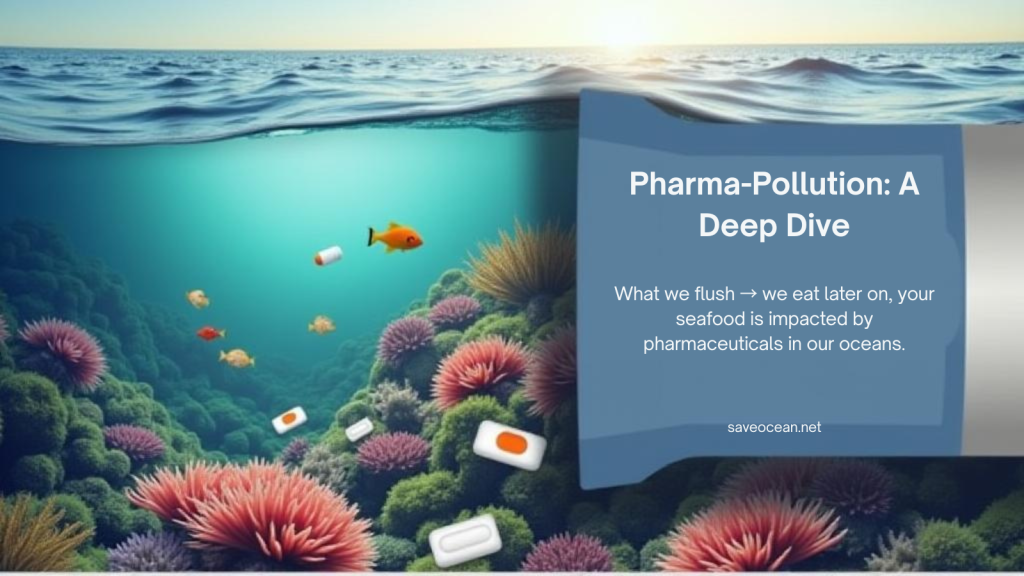
Pharmaceutical pollution is real—and rising. Rivers to reefs, our waters carry the medicine we flush away.

Recent large‑scale monitoring efforts have revealed that pharmaceutical residues permeate water bodies—from rivers and estuaries to coastal and marine ecosystems—across all continents. A York University‑led reconnaissance sampling 1,052 locations in 258 rivers across 104 countries uncovered active pharmaceutical ingredient (API) pollution exceeding safe ecological thresholds at over a quarter of sites, highlighting a ubiquitous environmental threat. (https://pubmed.ncbi.nlm.nih.gov/35165193/)
Furthermore, a comprehensive review of emerging contaminants reported that pharmaceuticals appear in both influent and effluent of conventional wastewater treatment plants (WWTPs) and persist in surface and groundwater due to inadequate removal, with compounds such as NSAIDs, β‑blockers, endocrine disruptors, and psychoactive drugs routinely measured worldwide.
Primary Sources of Pharmaceutical Pollution
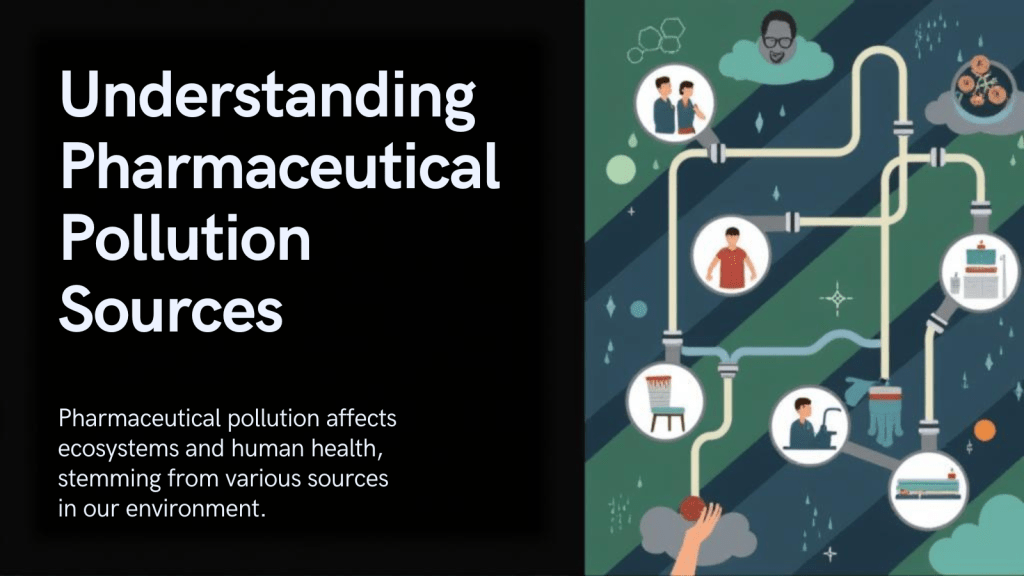
Human and veterinary excretion: Between 30%–90% of many drugs are excreted unmetabolized in urine and feces, entering sewage systems directly.
Improper disposal: Flushing unused or expired medications contributes substantially to environmental loading.
WWTP effluent: Conventional treatment often removes less than 50% of many APIs; some recalcitrant compounds pass through at trace but biologically active levels
Agriculture & aquaculture: Veterinary drugs used in livestock and fish farming enter water bodies via runoff and leaching from manure‑amended soils.
Healthcare facilities: Hospital discharges can contain high‑load mixtures of active drugs and metabolites, representing a significant point source for emerging contaminants.
How widespread it is?
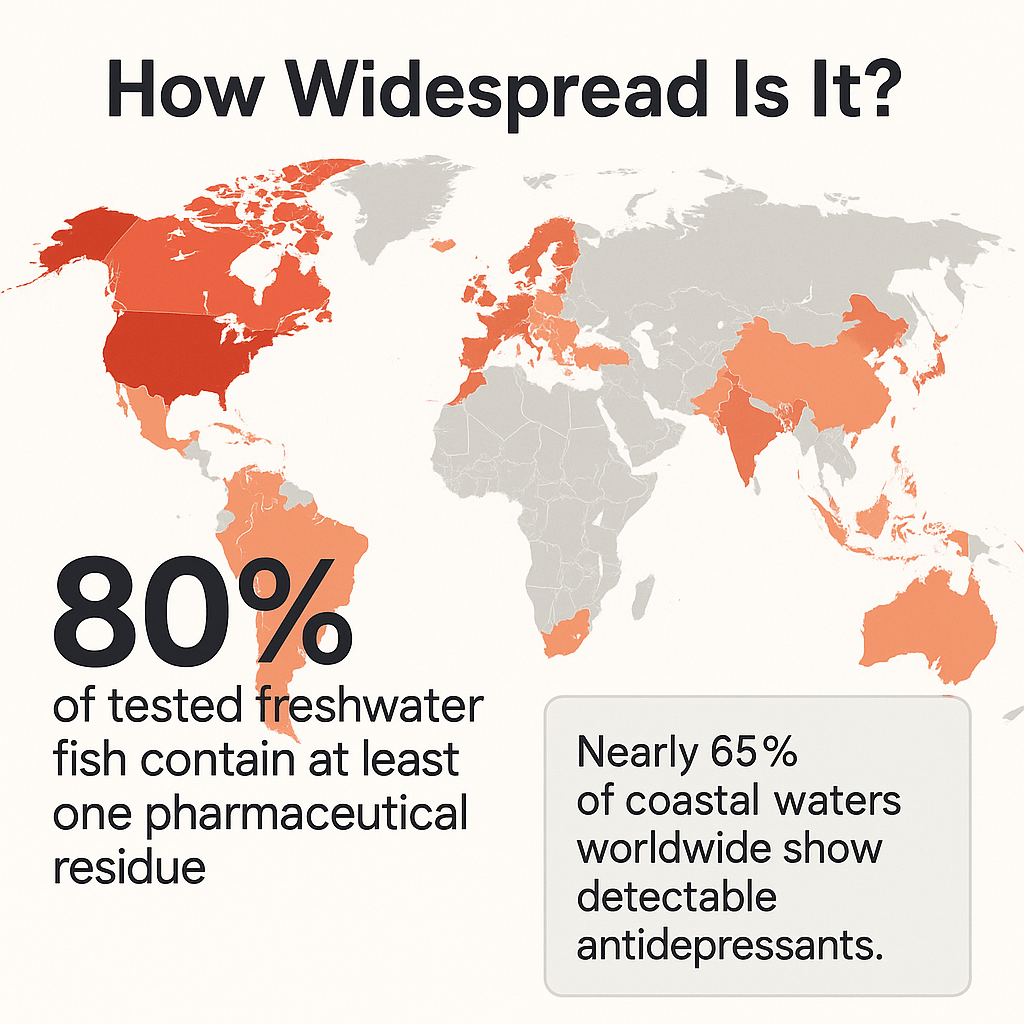
Identified Hotspots Around the Globe
Global “Hot Quartile” Regions: The most polluted river catchments fall in sub‑Saharan Africa, South Asia, and South America—areas characterized by limited wastewater infrastructure and high pharmaceutical consumption per capita.
Patancheru, India: The Patancheru industrial zone near Hyderabad is infamous for antibiotic‑laden effluent from bulk drug manufacturers, fostering antibiotic‑resistant bacteria in adjacent rivers and lakes. Levels here can exceed background concentrations by orders of magnitude and have been linked to multidrug‑resistant gene selection. (Source: Reuters )
Llobregat & Besòs Rivers, Spain: In Catalonia, 78 pharmaceutical compounds—including amylmetacresol and chloroquine—were quantified in two major rivers traversing urban, hospital, and industrial zones, with risk quotients approaching ecological thresholds at several sampling points. (Source: Springer Nature Link)
English National Parks: Surveys in eight of ten parks detected 31 APIs in 52 out of 54 river sites, demonstrating that even “pristine” protected areas are vulnerable to upstream sewage and septic‑system discharges. (Source: The Guardian )
Implications and Next Steps
Pharmaceutical pollution poses multifaceted risks: endocrine disruption in fish and amphibians, behavioral alterations (e.g., perch losing predator‑avoidance instincts), and enhanced AMR selection in microbial communities. Source: The Guardian and New York Post.
To mitigate these threats, coordinated actions are imperative:
- Upgrade WWTPs with advanced treatments (ozonation, activated carbon, membrane filtration, mycoremediation).
- Enforce effluent limits for pharmaceutical manufacturers, with real‑time monitoring and strict regulatory oversight.
- Promote “green by design” pharmaceuticals that biodegrade rapidly post‑use.
- Establish drug take‑back programs and public education to reduce improper disposal.
- Expand global monitoring—particularly in under‑studied regions—to inform risk assessments and guide policy.
👉 Act now:
1️⃣ Share this post to spread the word
2️⃣ Sign our petition for stronger wastewater regulations
3️⃣ Donate to fund advanced water‑treatment research
Together, we can turn the tide! 🌍🐠 #PharmaPollution #CleanWaterNow #SaveOcean
 SaveOCEAN
Leave a comment