
What makes the Mediterranean a hotspot?


- Surrounded by 22 countries and 2.5 million km2 of marine area
- 46,000 km of coastline where the longest is coastline is Greece
- 33 % of the Basin population live on the coast
- More than 17,000 marine species live in the Mediterranean
- It hosts around 11% of global marine species
- 20% to 30% of the Mediterranean marine species are endemic
- More than 1,000 non-indigenous marine species recorded
- 9.4 % under Marine Protected Area
From the total number of species that use the Mediterranean as a home, spawning area, or migration stop, around 20 to 30 % are considered endemic, meaning they are native and restricted to that area. Such endemic value makes the Mediterranean Sea and its basin a biodiversity hotspot.
Top 10 facts about the Mediterranean sea
1.The native species of the Mediterranean
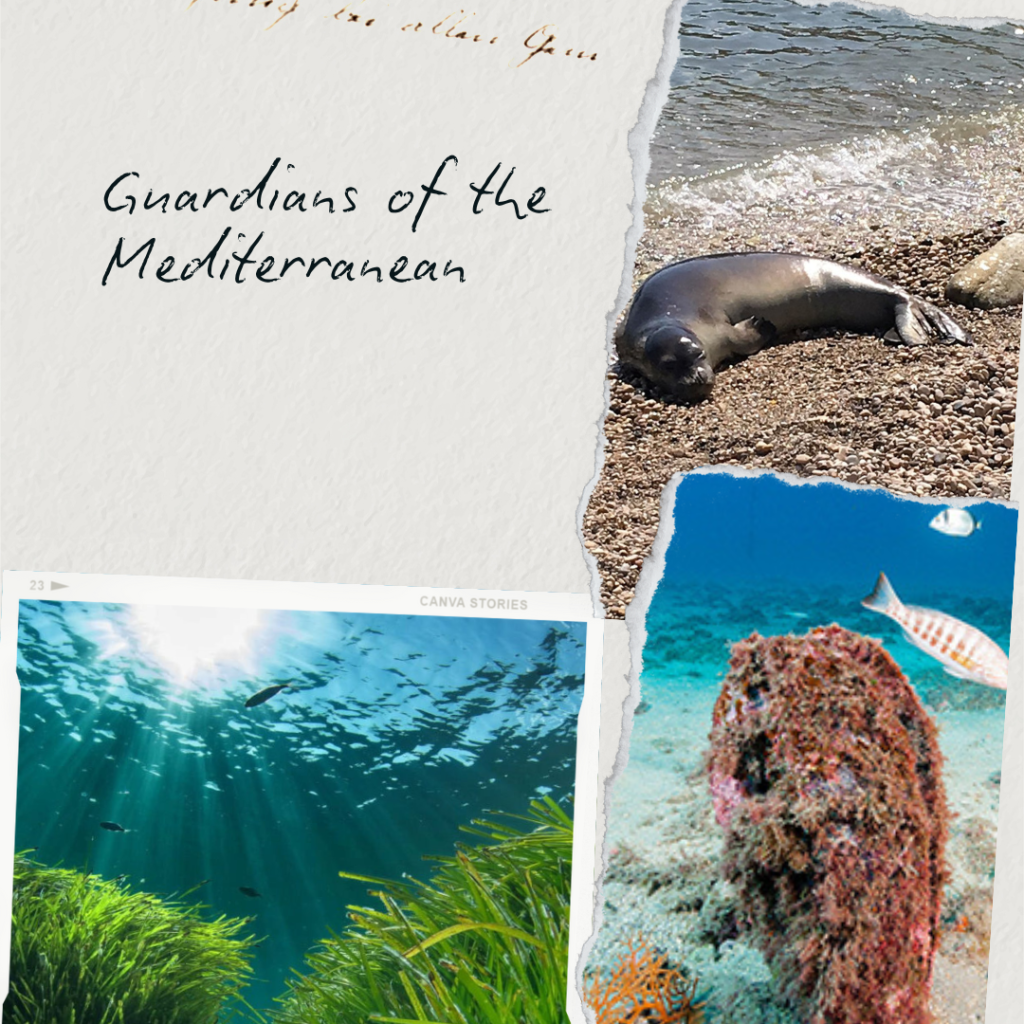
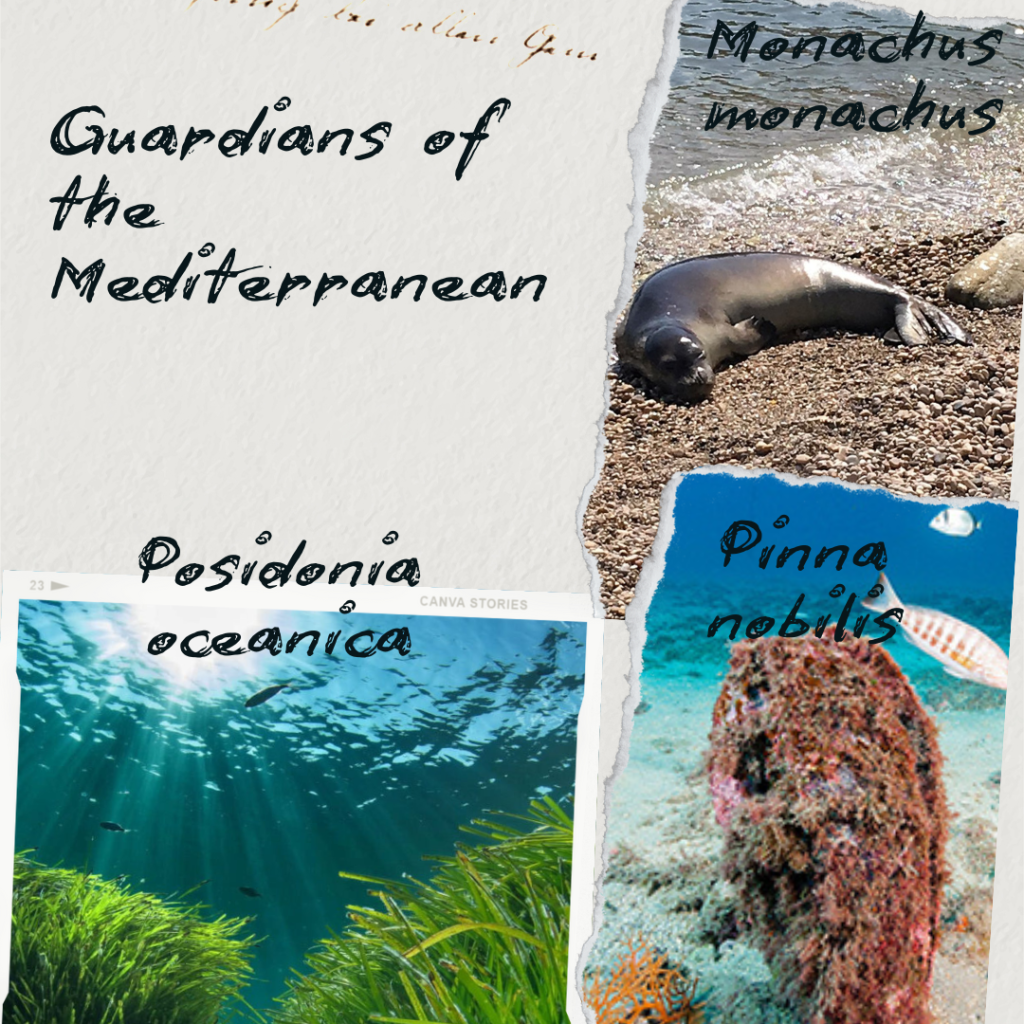
One of the most important endemic species in the Mediterranean is Posidonia oceanica, also known as Neptune grass, a seagrass vital for its marine ecosystem. There are more than two million hectares of Posidonia distributed along the coasts, and it provides crucial environmental services like stabilizing the bottom of the sea,
preventing erosion, providing habitat, and sequestering carbon dioxide from the atmosphere.
Another key native species in the Mediterranean is Pinna nobilis, or the noble pen shell, which is considered one of the biggest bivalve molluscs in the region. This kind of fan mussel plays a special ecological role by filtering water and retaining organic matter from suspended waste or debris, serving as a water clarifier.
The Mediterranean monk seal, Monachus monachus is one of the rarest kinds of seals in the world, the sole member of the genus Monachus, and it is classified by the IUCN as vulnerable. Their presence is an indicator of a healthy ecosystem, and as a predator they play a key role in regulating populations of smaller species.
2. The economic value of the Mediterranean
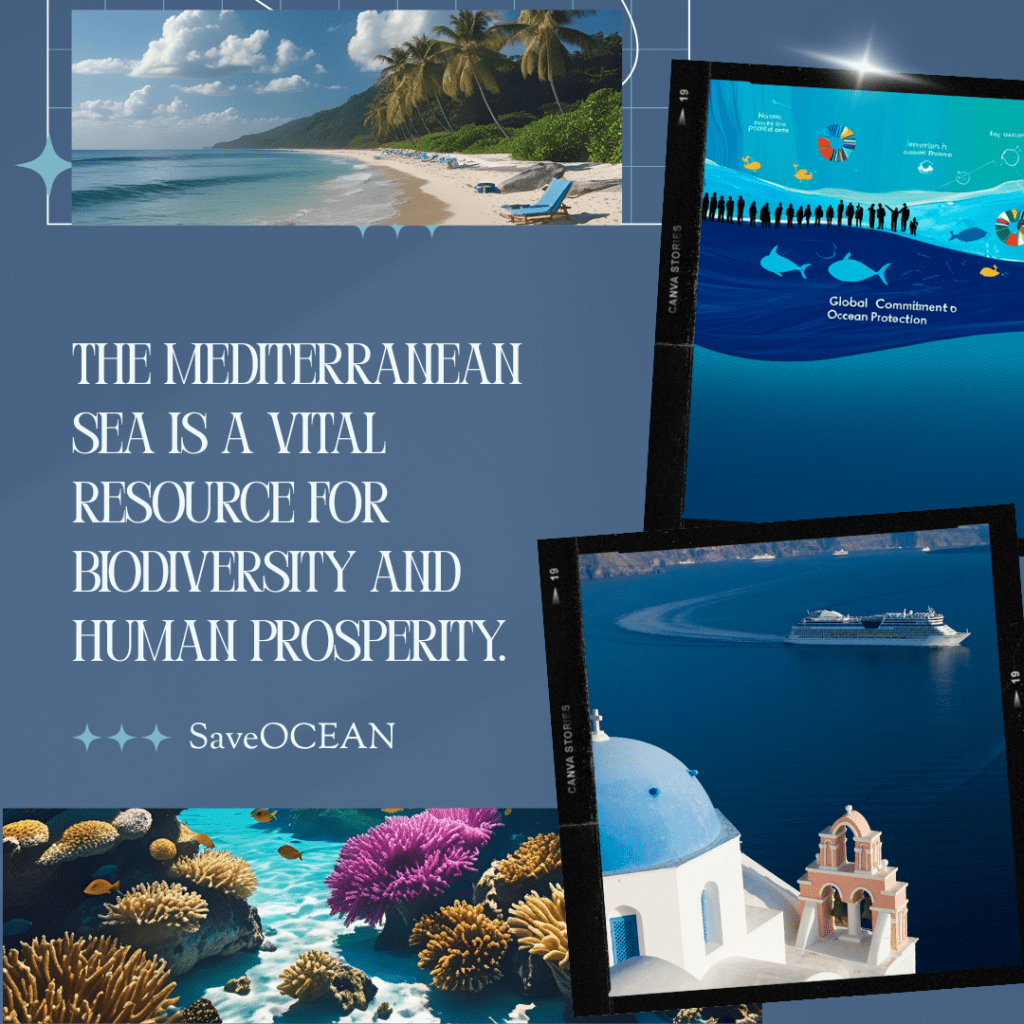
The Mediterranean Sea is not only a global biological diversity hub but also a spring of resources and services for the more than half a billion inhabitants of its basin.
The marine asset value of the Mediterranean has been estimated at 5.6 trillion U.S. dollars. This shared wealth is the sum of the value of primary assets like marine fisheries and seagrass, as well as adjacent assets like carbon absorption and production on the coastline.
In fact, coastline activities (e.g., tourism) are the main economic assets of the region. Compared to other regions in the world, the Mediterranean is the second most popular cruise destination, only topped by the Caribbean.
The annual marine production, also known as gross marine product (GMP), sits at 450 billion U.S. dollars, near level with the GDP of European economies like Austria and Norway. This figure is vital for understanding the Mediterranean economic contribution and for taking decisions about resource management and sustainable development. To put the numbers in perspective.
3. Biodiversity in danger
The Mediterranean Basin has lost approximately 20 % of its vertebrate biodiversity since 1993. Such biodiversity loss of Mediterranean species paints a dire picture for the region, and it intensifies for marine species. More than 50 % of the marine animal population in the Mediterranean has decreased, especially due to the decline of fish stocks.
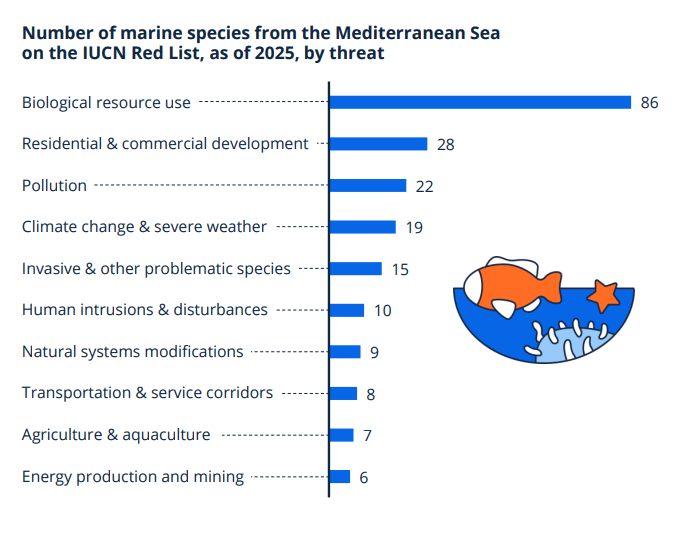
In a broader scenario, including plants in the equation, there were 94 threatened marine species from the Mediterranean listed on the IUCN Red List as of April 2025.
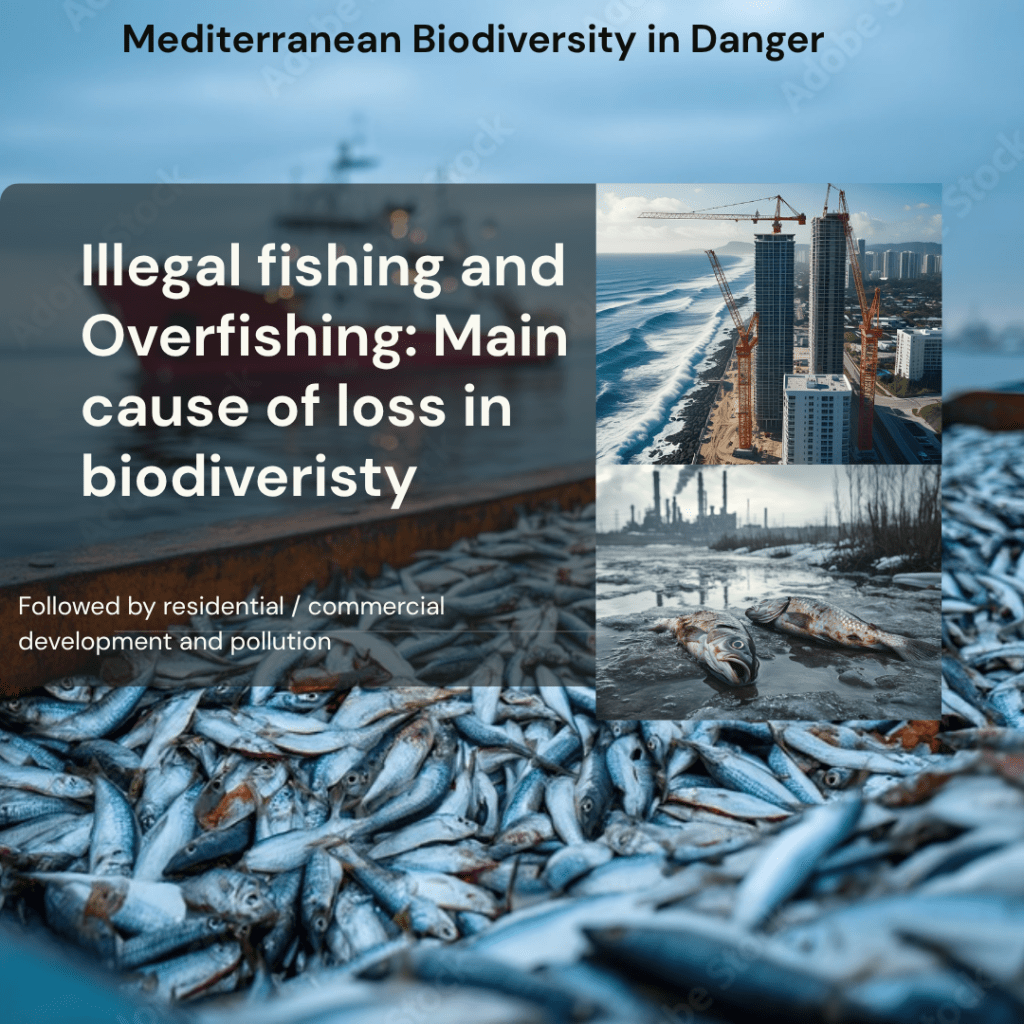
According to the IUCN, biological resource use is the main threat to Mediterranean marine species. For marine ecosystems, biological resource use means fishing, and as of 2025, such practices are putting the stability of 86 species in jeopardy. Residential and commercial development is the second most common threat for marine diversity,
threatening 28 species, followed by direct pollution with 22 species.
4. Fish and shellfish stock in critical status
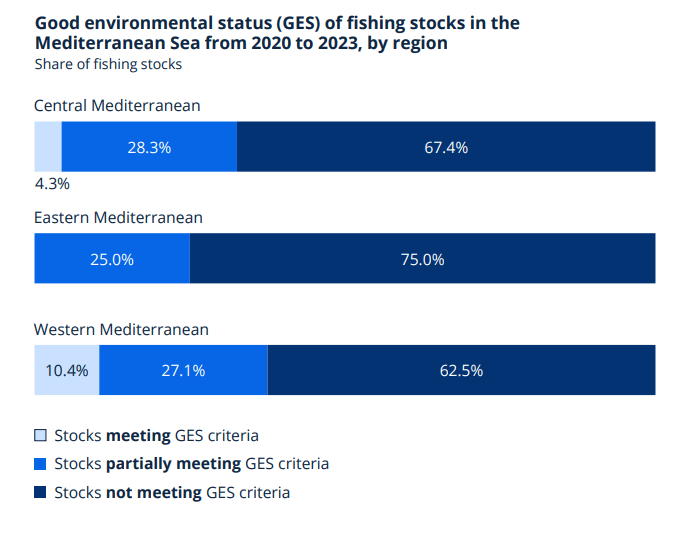
The fishing stocks in the Mediterranean Sea are seriously depleted. More than half of the fish and shellfish commercial stocks did not comply with the Good Environmental Status (GES) criteria in an assessment conducted between 2020 and 2023.
In that period, only 10.4 % of the stock in the Western Mediterranean reached both GES criteria, making it the subregion with the best status. Nonetheless, 62.5 % of the fishing stock did not meet any of the criteria.
The main reason for this is overfishing, driven by factors like illegal fishing and the use of bottom trawling. In addition to overfishing, climate change, pollution, and invasive species are also threatening the delicate balance of life in the Mediterranean.
5. Non-indigenous species on the rise
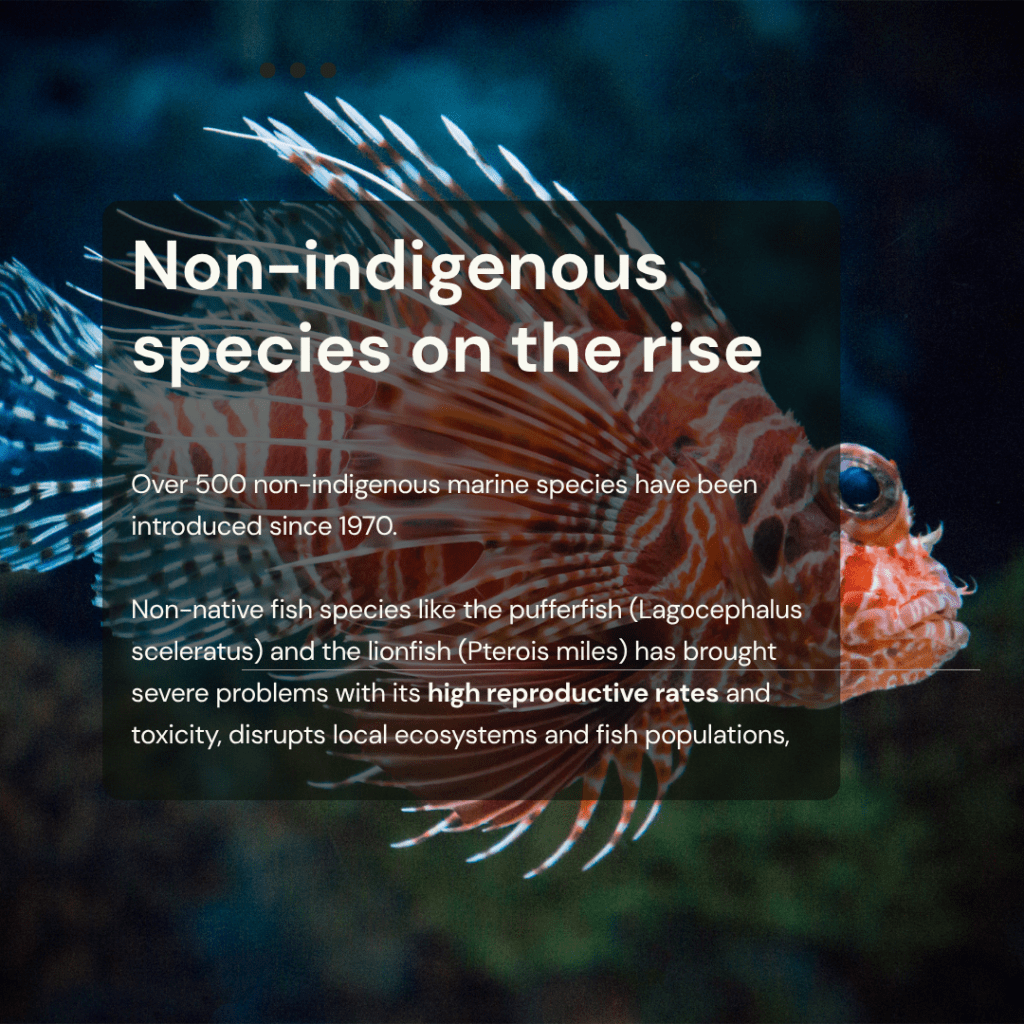
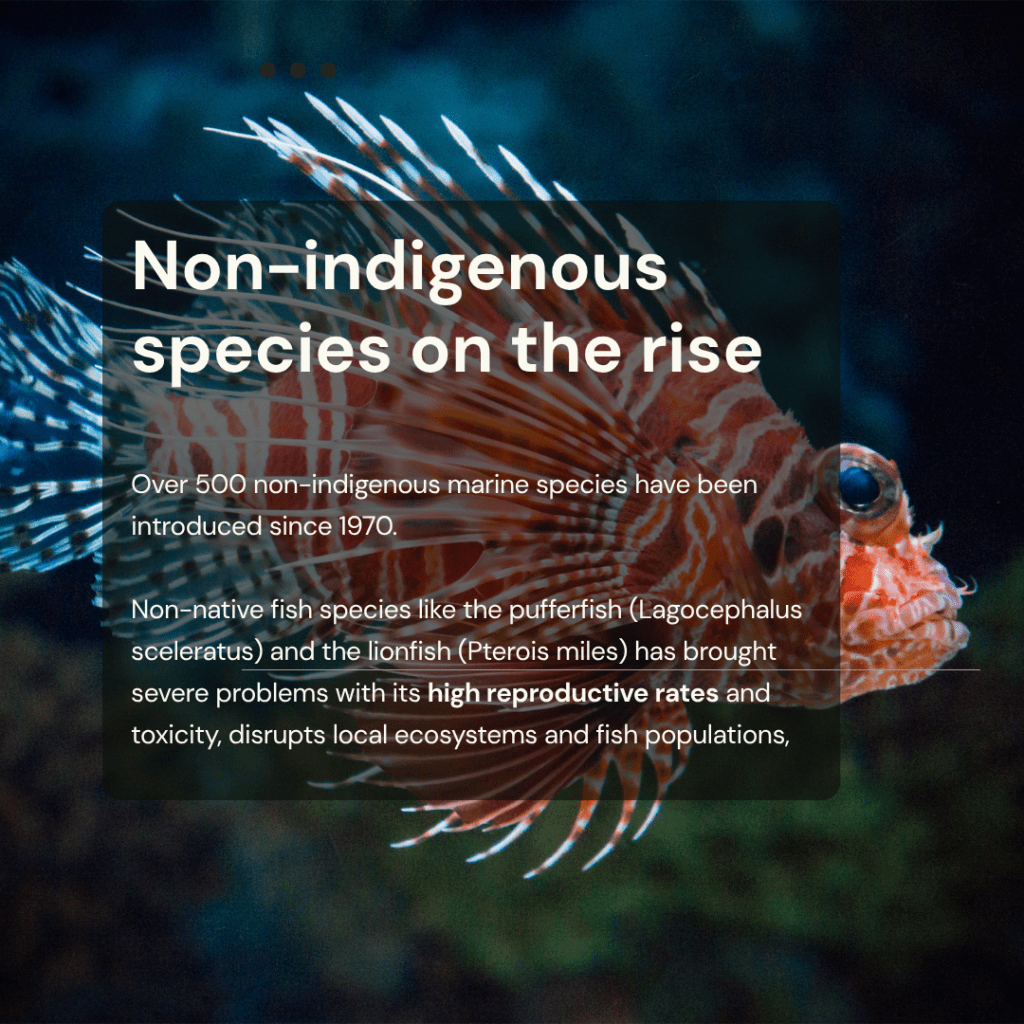
In the Mediterranean, the number of non-native marine species has risen in recent decades, with more than 500 non-indigenous marine species having been introduced from 1970 to 2021.
In the Mediterranean, the introduction of non-native fish species like the pufferfish (Lagocephalus sceleratus) and the lionfish (Pterois miles) has brought severe problems. Due to their toxicity, high reproductive rates, and a lack of predators, these species disrupt local fish populations and food webs. However, it is essential to note that not all non-indigenous species are bad for their new habitat. Only a fraction of them can be cataloged as invasive or harmful.
6. The threat of waste pollution
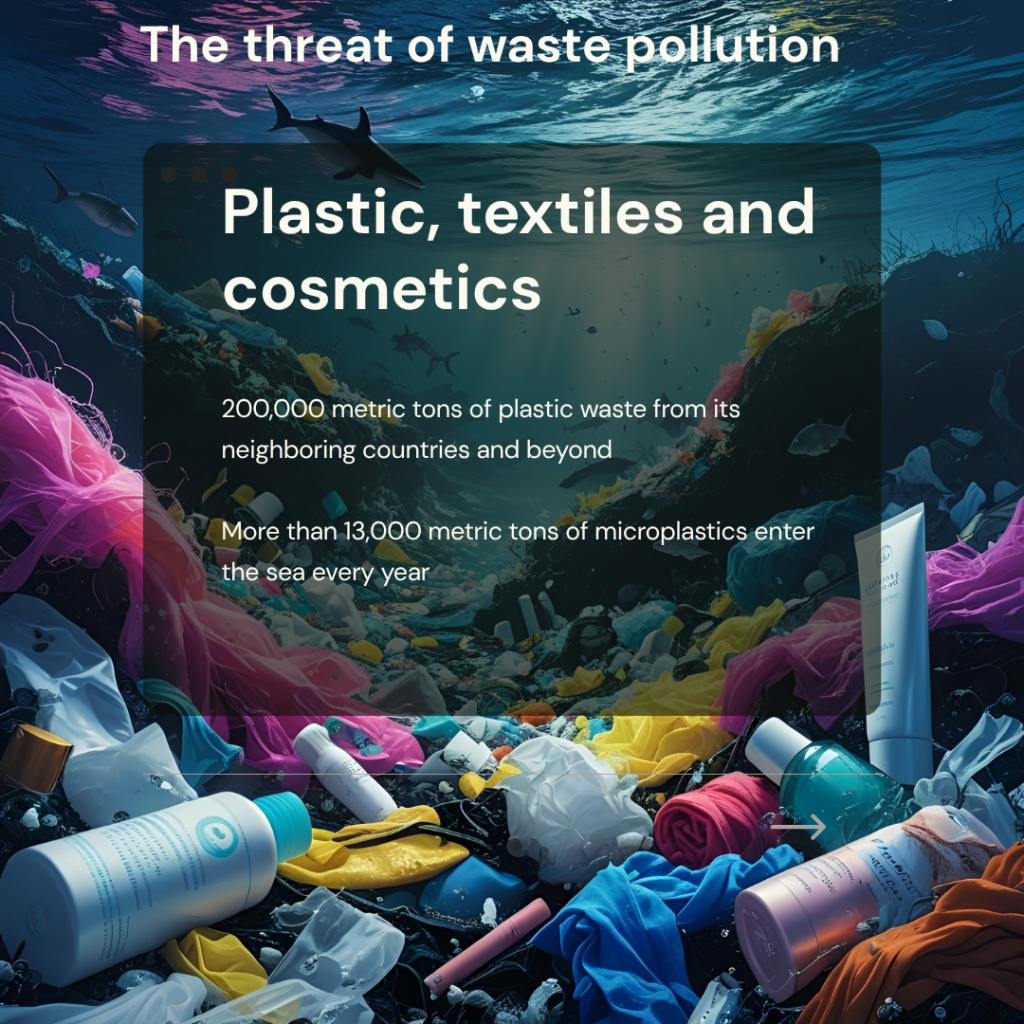
Every year, the Mediterranean receives more than 200,000 metric tons of plastic waste from its neighboring countries and beyond. In general, the Mediterranean Sea is highly vulnerable to plastic pollution due to its semi-closed nature because waste is less likely to disperse, leading to the creation of accumulation zones for marine litter. If plastic waste accumulates in the open sea for a considerable period, it will start to degrade and turn into microplastics.
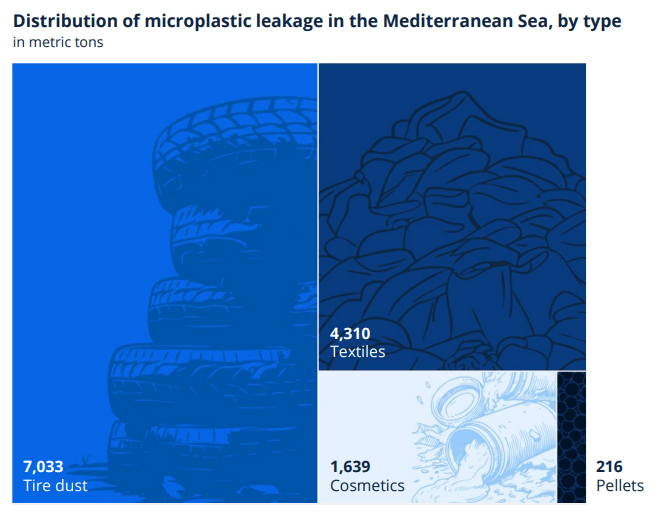
In the Mediterranean, more than 13,000 metric tons of microplastics enter the sea every year. The main source of these small plastic particles is tire dust, or wear particles of vehicle tires. The second most
common origin of microplastics is textiles, which can enter the environment as microfibers shed from synthetic clothing through wastewater discharges
7. Oil pollution in the Mediterranean
Although the scale of oil spills from tankers around the world has
reduced considerably in recent decades, globally, around 10,000 metric tons of oil were released into the ocean in 2024 according with the reported incidents.
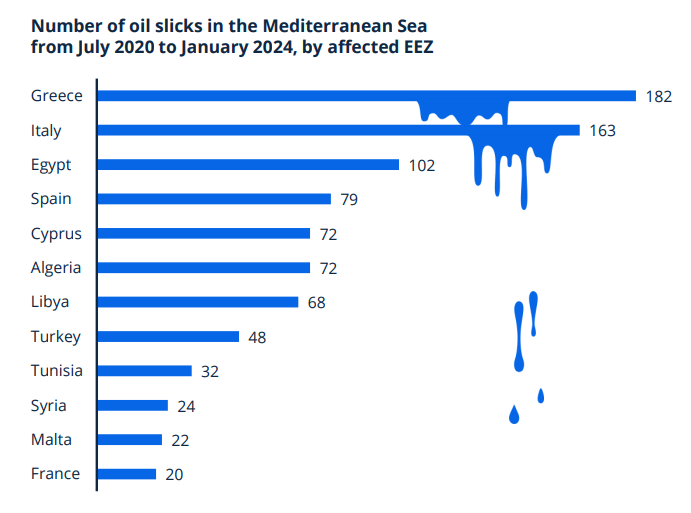
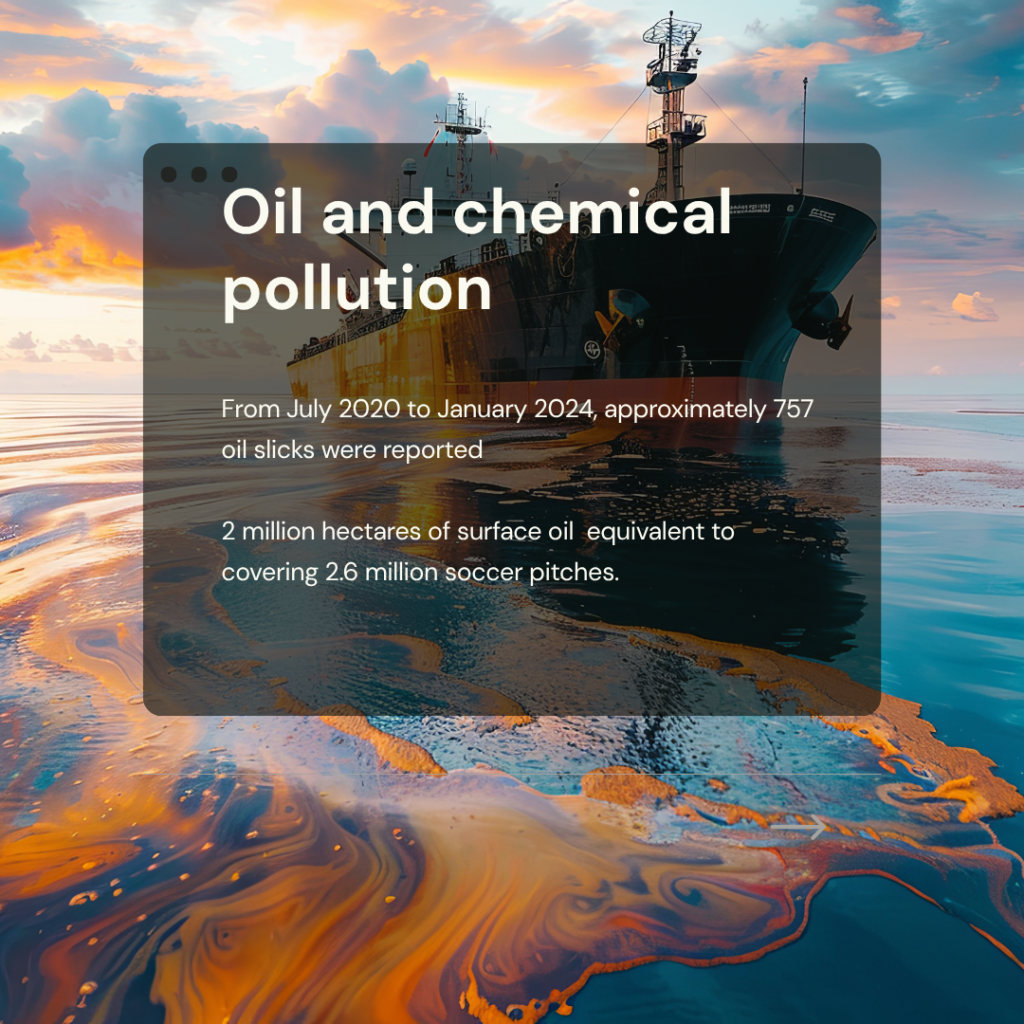
From July 2020 to January 2024, approximately 757 oil slicks were reported in the Mediterranean Sea. During that period,
almost two million hectares of surface oil were detected in the Mediterranean, equivalent to covering 2.6 million soccer pitches.
8. The Mediterranean is hotter than ever
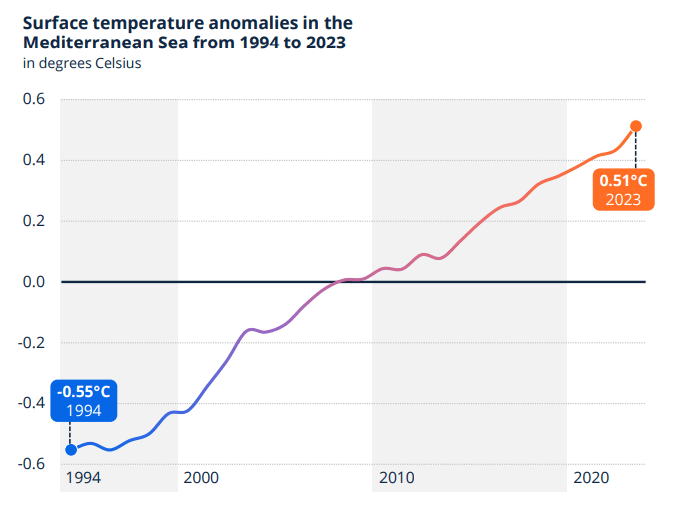
Similar to trends observed in oceans and seas all over the world, the surface temperature in the Mediterranean Sea is experiencing a worrying upward trend.
The increase in temperatures in the Mediterranean region will not only affect the flora and fauna of its ecosystems. The population living on the coastline will also be impacted harshly, with more recurrent dry spells and a subsequent scarcity of water.
From the European countries, Malta, Spain, and France were the
leaders in desalination; however, they represent less than 5 % of the total Mediterranean capacity.
Sea level rise is one of the most pressing consequences of climate change, and the Mediterranean region is particularly vulnerable due to its densely populated coastlines, low-lying urban centers, and reliance on coastal economies. considering CO2 emissions around the current levels until 2050, which later fall but not do not reach net zero by 2100, mean sea level in the Mediterranean is expected to rise by 6.8 millimeters annually by the end of the century. In a more local context, many Mediterranean cities will experience more than 0.5m sea level increase following the same SSP scenario. For instance, cities like
Barcelona in Spain and Alexandria in Egypt could be affected by a sea level rise of more than 0.6 meters.

What is being done?
To address such pressing matters, countries around the
region have taken coordinated action to protect the sea.
Central to this is the Mediterranean Action Plan (MAP), established in 1975 under the United Nations Environment Program.
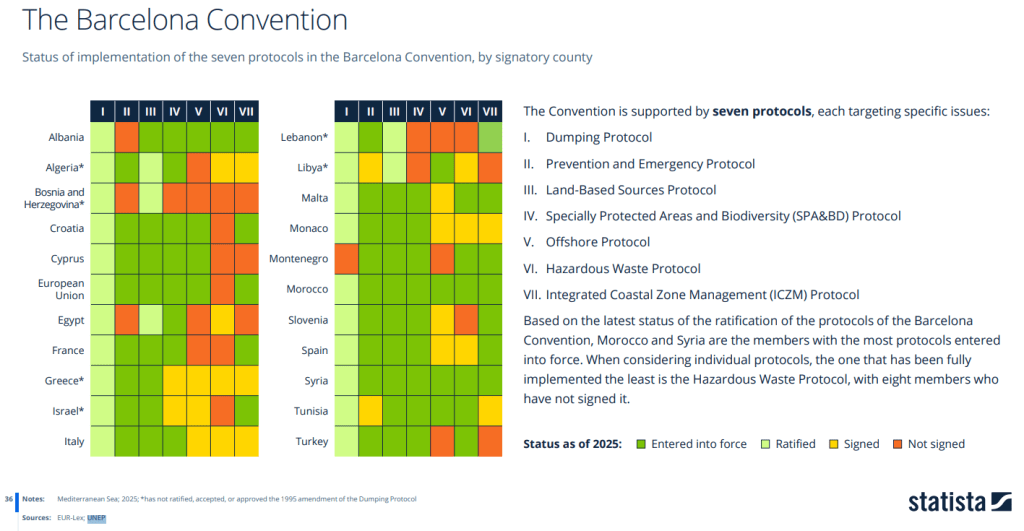
The MAP was the first ever regional environmental agreement of its kind and led to the Barcelona Convention, a legally binding framework for protecting the marine and coastal environment.
- The Barcelona Convention, officially the Convention for the Protection of the Marine Environment and the Coastal Region of the Mediterranean, serves as the legal foundation of the MAP and aims to reduce pollution and protect the marine and coastal environment of the Mediterranean Sea. It is supported by seven protocols and is legally binding for its 22 Contracting Parties (21 countries and the EU), who meet regularly to review progress and adopt coordinated measures.
Sustainable Tourism
Sustainable tourism initiatives in the Mediterranean aim to preserve the region’s rich natural and cultural heritage while supporting local economies and reducing the environmental footprint of mass tourism.
- The MEET Network (Mediterranean Experience of Ecotourism) has collaborated with over 46 protected areas across the
Mediterranean. - Notably, in Spain’s La Garrotxa National Park, implementing MEET’s recommendations led to a 25 % reduction in the environmental footprint of ecotourism itineraries.
- The Interreg MED Sustainable Tourism Community, through projects like DestiMED Plus, has developed ecotourism packages in 9 protected areas, including Cres-Lošinj in Croatia and Cabo de Gata-Níjar in Spain aiding in assessing and reducing the ecological footprint of tourism activities.
- The BlueMed Initiative supports sustainable coastal and marine tourism as part of a broader blue economy strategy, addressing challenges like plastic pollution and promoting eco-friendly infrastructure in tourist areas.
- Greece’s Sustainable Islands Initiative. Islands like Astypalea are transitioning toward ecotourism through renewable energy, electric mobility, and waste reduction measures.
Together, these initiatives are shaping a more sustainable future for Mediterranean tourism –one that values nature, culture, and community.
Sustainable fishing and aquaculture
The General Fisheries Commission for the Mediterranean (GFCM) plays a leading role. This body of the FAO supports science-based management through multiannual plans, spatial restrictions (such as
Fisheries Restricted Areas), and technical measures that aim to rebuild depleted stocks and protect sensitive habitats.
The GFCM also promotes cooperation among Mediterranean countries to improve data collection and compliance. As of 2023, the percentage of overfished stocks in the Mediterranean and Black Sea has fallen
below 60 percent for the first time, marking a 15 percent drop over the last year and a 31 percent reduction in fishing pressure since 2012. Notably, species like European hake and Adriatic sole have shown signs of biomass recovery, with fishing pressure on Adriatic sole decreasing by 75 percent.
In aquaculture, the MedAID (Mediterranean Aquaculture Integrated Development) project works to enhance sustainability across the sector. It focuses on improving animal welfare, reducing environmental impacts, and boosting the competitiveness of aquaculture farms through innovation and better governance. Another example is MedAqua, a related initiative, which promotes ecosystem-based aquaculture planning and supports countries
like Greece and Spain in developing low-impact farming techniques, particularly for sea bass and sea bream.
Pollution
Plastic pollution, one of the most visible and harmful threats, is being addressed through bans on single-use plastics, extended producer responsibility schemes, and waste management improvements.
Projects such as Plastic Busters MPAs focus on monitoring and reducing marine litter within protected areas, while the IUCN Plastic Waste Free Islands program supports regional strategies to prevent waste discharge into the sea.
To tackle oil and fuel pollution, the Prevention and Emergency Protocol of the Barcelona Convention strengthens coordination for spill response and promotes national preparedness.
Additionally, international efforts for cleaner air and water in the Mediterranean are underway; for instance, the implementation of the
Mediterranean Emission Control Area is helping with the reduction of pollution for sulfur and nitrogen oxides (SOx and NOx).
Beyond plastics and fuels, the Land-Based Sources Protocol (LBS) addresses broader contaminants, including agricultural runoff and industrial discharges, which are responsible for over 80 percent of marine pollution.
Additionally, Mediterranean countries are investing in wastewater treatment upgrades and green port initiatives that aim to reduce emissions and chemical runoff from maritime traffic.
Take action
- Be Part of the MAP Forward.
- Support sustainable policies, informed science, and community-led action to safeguard the Mediterranean for future generations.
- Travel Light. Leave a Positive Impact.
Choose ecotourism experiences that support local communities, protect biodiversity, and reduce your footprint. Discover Mediterranean destinations that give back more than they take. - Eat from the Sea Responsibly.
Support sustainable seafood and responsible aquaculture. Look for products backed by science - Fish Smart. Farm Better.
Encourage local decision-makers to scale up ecosystem-based fishing and aquaculture. The recovery has started—let’s not stop now - Break Free from Plastic.
Support bans on single-use plastics and demand better waste systems from local leaders. - Pollution Starts on Land—So Does the Solution.
Get behind efforts to stop runoff, upgrade wastewater systems, and green our ports. Cleaner seas begin with smarter choices inland.
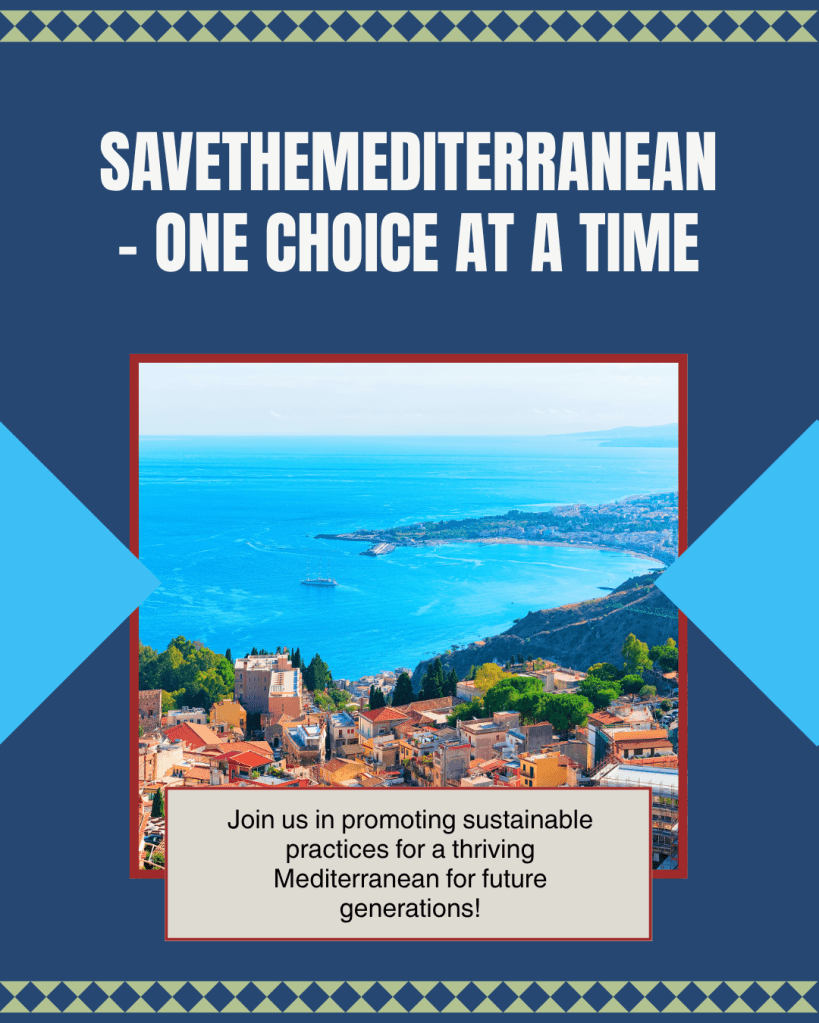
#SaveTheMediterranean – One Choice at a Time.
- Every Action Counts. Every Drop Matters.
- The Mediterranean Is Changing. Be the Reason It Recovers.
- Do you Love the Mediterranean? Prove It—Support Sustainable Tourism, Fishing & Plastic-Free Seas.
- Turn the Tide—Join the Movement at SaveOCEAN to Restore the Mediterranean.
 SaveOCEAN
Leave a comment