
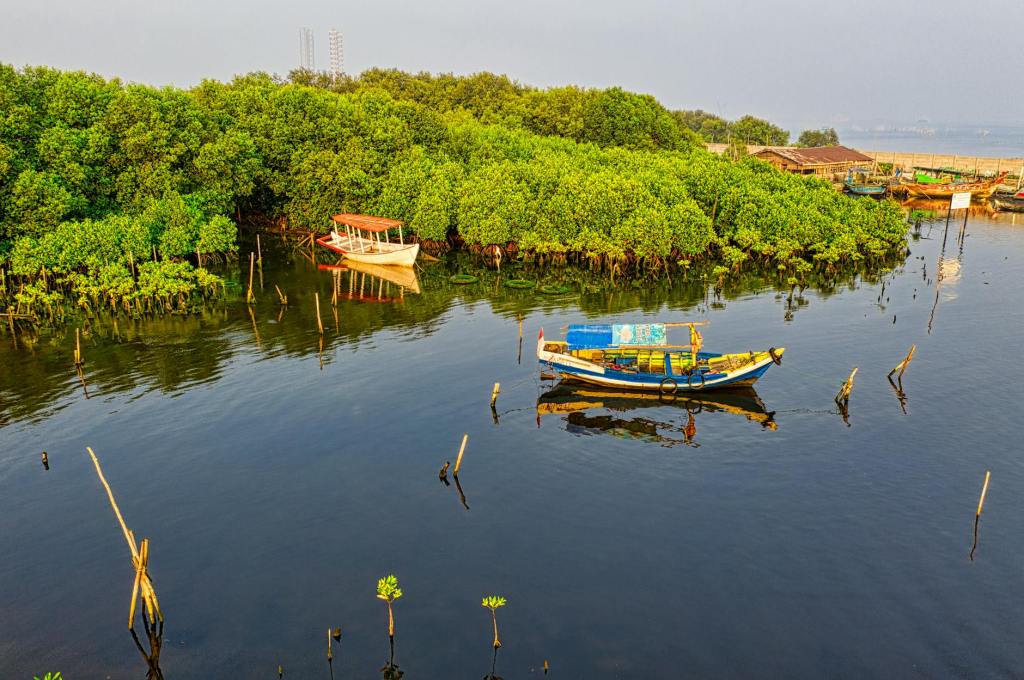
When the sea began to eat away at the edge of Trujillo, Honduras, people feared it would take everything with it—their homes, their schools, their memories. Year after year, high tides clawed deeper inland. Salt crept into wells. Crops failed. Some families packed up and left. Others stayed and braced for the worst.
But the tide didn’t win.
Instead, the people of Trujillo turned to the very force they had once overlooked: the mangrove.
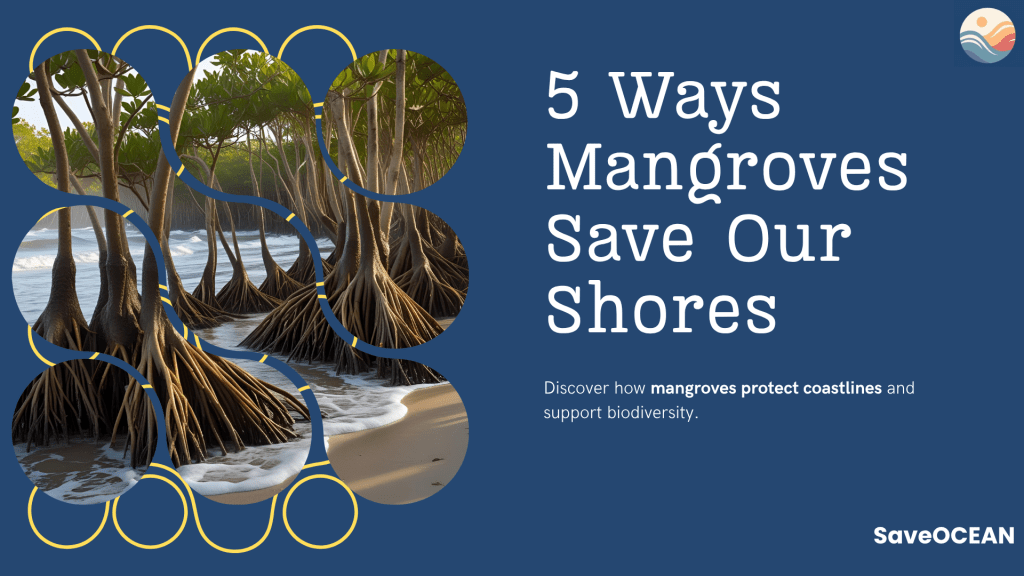
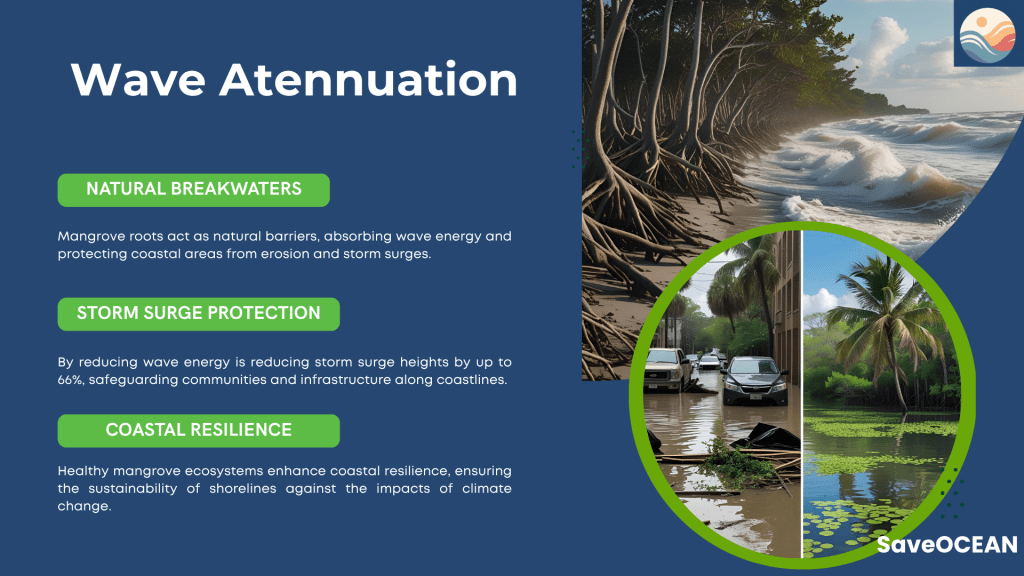
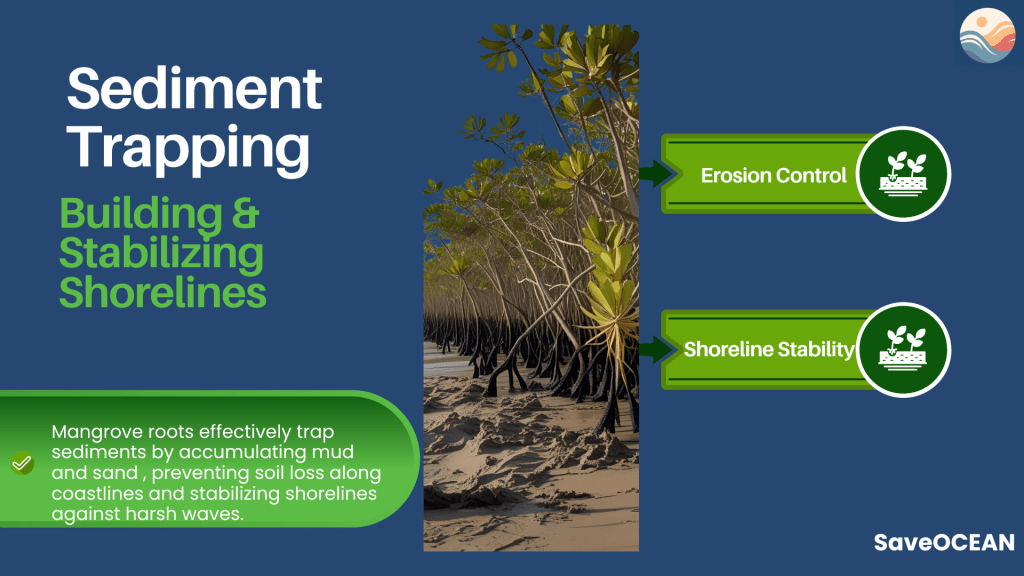
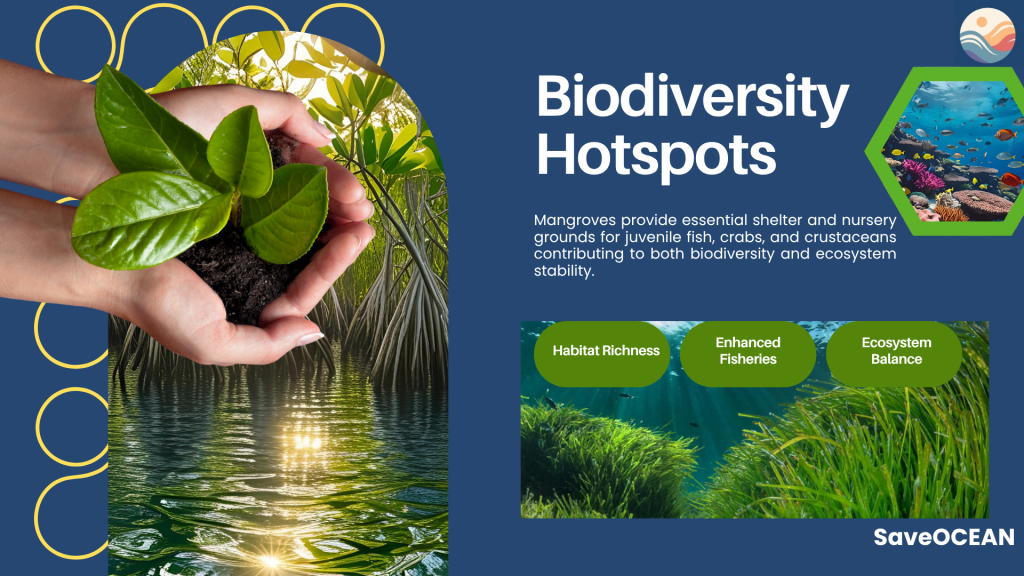
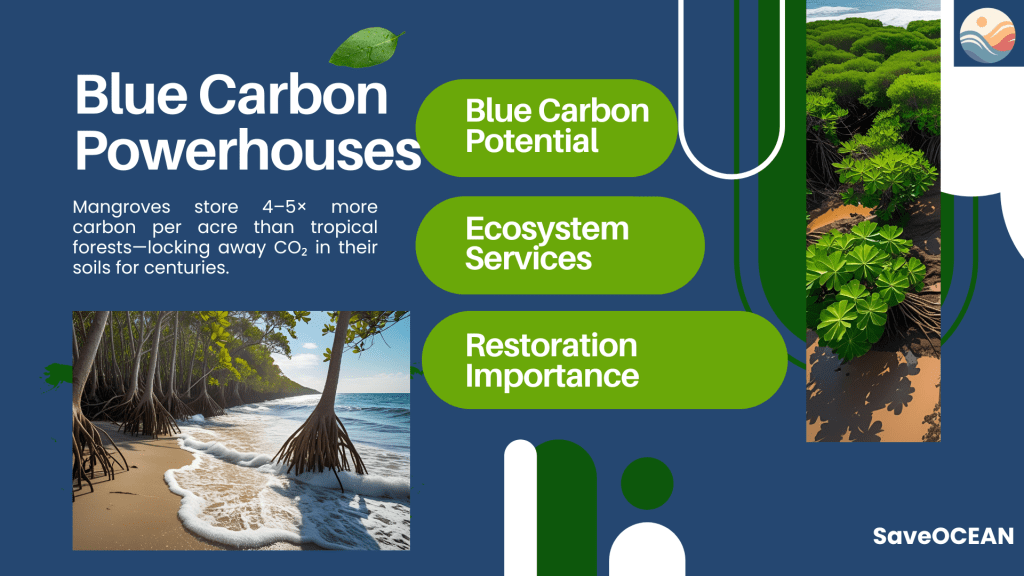
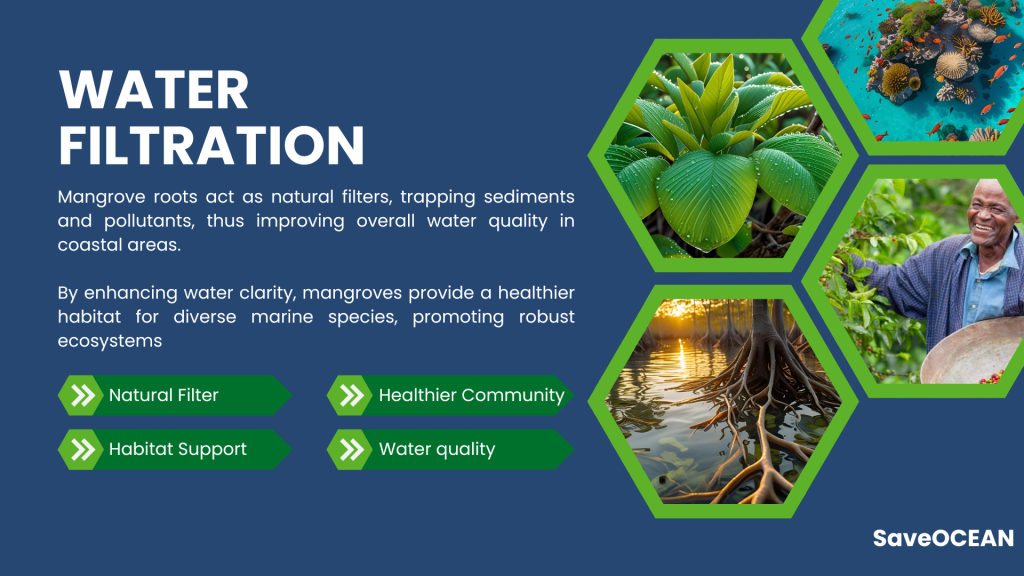
With support from the United Nations Environment Programme (UNEP), local residents began restoring mangrove forests that had been cleared years before. They planted saplings with their own hands, wading knee-deep into the brackish mud. Children came after school to help. Elders shared where the trees once stood. Day by day, tree by tree, a living barrier grew.
When a tropical storm swept through the region in 2023, neighboring towns flooded. But Trujillo? The mangroves held. The winds howled—but the roots clung. The storm passed—and the town remained.
That day, Trujillo learned something profound: the strongest walls aren’t always made of concrete—they’re made of life, community, and care.
Mangroves Holding the Line

A Tropical Storm Mariana barreled toward the Ecuadorian coast in late 2024, the delta town of Samborondón braced for impact. But instead of devastation, something unexpected happened: thousands of young mangrove trees planted along the shoreline buffered the wave energy and stabilized sediments. The town emerged with simplified damage—a rare success story in a region increasingly battered by climate extremes.
This transformation wasn’t accidental. Months beforehand, Samborondón had joined a UNEP-supported initiative to restore mangrove forests, combining coastal science, community engagement, and political will to protect the town from rising seas and intensifying storms. Backed by the UN Environment Programme, local teams planted and nurtured thousands of red mangroves around tidal channels and flood-prone neighborhoods. When storms struck, the dense root structures dampened currents. The trees’ canopy slowed wind and rain. Within months, the town reported markedly reduced riverbank erosion and fewer flooded streets.
Locals now call the restored mangrove belt their “green fortress”. Schools organize boat excursions to teach young residents how mangrove roots protect shorelines and support rich marine life. The planting initiative not only strengthened resilience, but restored livelihoods—crab fisheries, shellfish gathering, and eco‑tourism saw revival as biodiversity returned.

In Cameroon’s Wouri estuary, home to 188,000 hectares of vital mangrove wetland, the forests faced severe threats—from urban expansion, pollution, and demand for wood fuel and fish-smoking timber—causing massive degradation and ecosystem loss. In response, the CAMERR project set out to restore over 1,000 hectares of mangroves, planting more than 700,000 trees across 232 hectares since 2020. Researchers using Landsat data documented a 17 % decline in mature mangrove cover between 1980 and 2022—but also signs of artificial regeneration where community restoration and legal protection (e.g. Douala-Edéa National Park) took hold. This dual story of loss and recovery underscores the transformative power of local-led mangrove restoration.

In South Africa’s Western Cape, the Overstrand Municipality—which includes Hermanus and more than 200 km of shoreline—has embraced the restoration of peatlands and estuaries along the Ornus River. Once degraded by invasive species and flooding, these wetlands are being restored to improve urban resilience and environmental quality. Rather than concrete flood barriers, the strategy calls on wetland restoration and nature-based solutions. As the landscape heals, residents enjoy cleaner water, reduced flood risk, and stronger senses of place—integrating resilience with community well-being.

On the delta coast of Demak, Central Java, climate change had compounded decades of land subsidence, shoreline erosion, and mangrove clearing—leaving communities exposed to flooding and economic loss. Traditional solutions crumbled: heavy concrete sea walls sank in the soft mud, and planted mangrove saplings failed in turbulent waters. Today, a new approach—rooted in “Building with Nature” principles—is changing the narrative. For over 20 km of coastline, communities and partners erected 3.4 km of permeable, wave-calming structures. Made from bamboo poles, brushwood, and nets, these barriers reduce wave energy and trap sediments, creating calmer, shallow water zones ideal for natural mangrove colonization and regeneration. Early results are promising: beaches are rebuilding, natural mangroves are returning, fisheries and crab farming are revitalizing local livelihoods, and the shoreline is steadily gaining stability, restoring local protective buffer zones that now reduce storm surge risk.
Projects in Kenya’s Lamu County and Ghana’s Volta estuary reveal the power of community-based mangrove management (CBMM). Local women-led nurseries and visioning sessions enabled over 2,000 km² of mangrove recovery. Communities received fair wages, built new livelihoods, and established lasting stewardship of coastal forests.
In Guanabara Bay, environmental NGO Instituto Mar Urbano planted 30,000 mangrove trees over four years. These now reduce flood impacts in adjacent informal settlements, enhance water quality, and support crab harvests that boost local income—all while serving as living flood control infrastructure.
Oyster Reef Restoration
In Florida’s Big Bend, oyster reefs were rebuilt using mesh structures, increasing oyster coverage and reducing wave impacts. Analysis showed that restored reefs significantly lower shoreline erosion and help protect coastal property from storm damage. Meanwhile, New York City’s Billion Oyster Project has installed millions of oysters in Jamaica Bay—reviving aquatic habitats and providing natural shoreline reinforcement.
Ecotown Adaptation
Facing sea-level rise and storm surges, San Vicente birthed an “Ecotown” initiative: combining sustainable tourism, flood-resistant agricultural methods, coral reef rehabilitation, and mangrove reforestation. The program built resilience through citizen-led planning and livelihood diversification—serving as a replicable climate adaptation model.
From Samborondón to San Vicente, communities are turning to nature—and to themselves—to build resilience. These case studies offer compelling evidence: you don’t need concrete seawalls to face climate storms; you need roots that breathe life into safety.
As coastal towns look to the future, these living solutions offer hope—and a path forward. In the next chapter, we explore how digital tools and space-based Earth observation can help scale, monitor, and quantify the impact of nature-based coastal defenses.
Lessons for Coastal Resilience Worldwide
- Restore—don’t just rebuild: Ecosystem-based interventions can outperform traditional defenses in flexibility, affordability, and ecological gain.
- Design with nature’s logic: Structures should create habitat conditions, not block natural flows or sediment transport.
- Anchor solutions in local ownership: Empowering local communities ensures restoration is sustained and culturally relevant.
- Monitor with satellite and in-situ tools: Projects like Demak can be tracked using Landsat or Sentinel data, confirming both loss and recovery over time.
Closing Reflection
Coastal resilience isn’t built on concrete—it’s grown through collaboration.
Where erosion was gaining ground, communities have planted the seeds of protection. Where rivers carve deeper, nature redirects and heals. And where storms once brought despair—they now meet roots that breathe life back into shorelines.
As global coastal areas face the escalating threats of sea-level rise and climate volatility, these lessons remind us: our greatest defense may grow in mud, bloom in brackish water—and thrive when rooted in human care.
 SaveOCEAN
Leave a comment