🌱 Why Seagrass Matters
- Carbon Sink: Seagrass meadows store up 83 Mg C ha⁻¹ twice as efficient per area as many forests Wikipedia.
- Coastal Defense: Roots stabilize sediments, reduce erosion, and buffer wave energy.
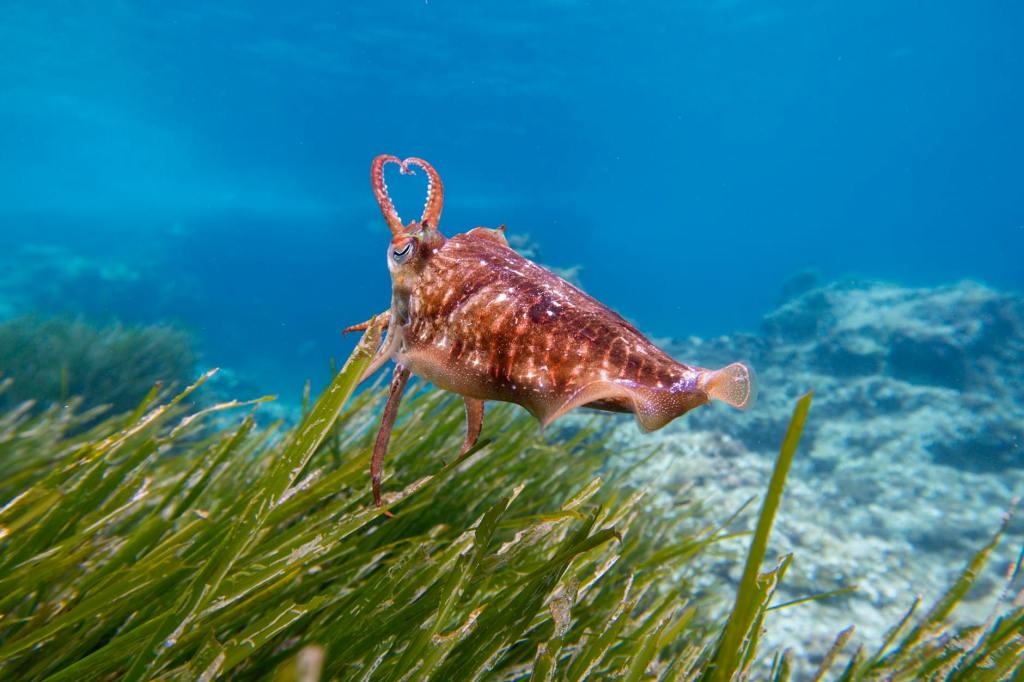
- Biodiversity Hotspots: Nurseries for fish, crustaceans, and endangered species.
🌿 A Real World Story: Reviving Coastal Meadows
Setting the Scene – Sown in Wales
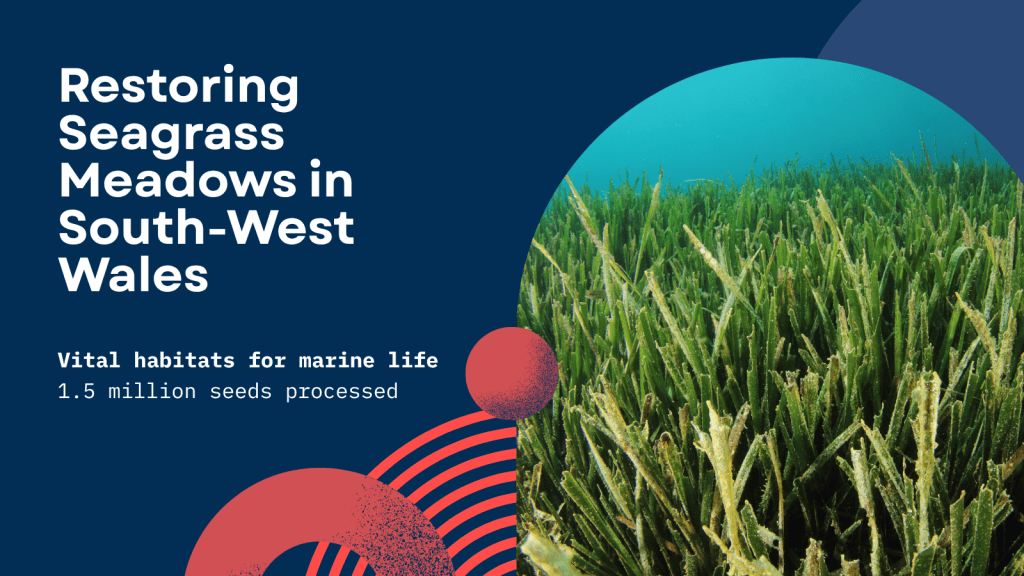
The UK has lost about 90% of its seagrass meadows, half of which has vanished in the past three decades. A wasting disease caused a drastic reduction in the 1930s, and their replenishment is hampered by increased human factors such as pollution and physical disturbance, including dredging.
In southwest Wales, Project Seagrass teamed up with Salix and RSK to launch the UK’s first large-scale seagrass nursery, processing 1.5 million seeds and cultivating tens of thousands of young plants. These seedlings have already been transplanted into Carmarthen Bay and the Solent, restoring underwater meadows once lost to pollution and dredging.
At the moment, the seagrass nursery takes up only a small part of the 20-hectare (50-acre) site, which includes 40 pools, 100 metres long. The hope is that over time more of the ponds will be converted into seagrass nursery pools. (The Guardian)
Florida Keys Rescue
In the Florida Keys, NOAA led a restoration after a ferry damaged a vital seagrass patch.
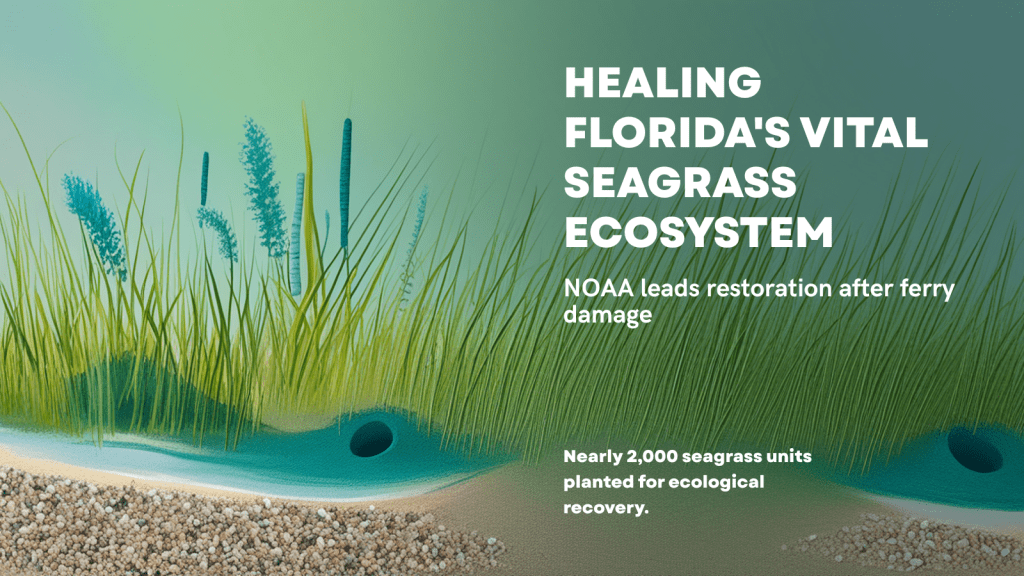
The team filled blowholes in the seafloor with up to 100 yards of pea gravel. They deployed 14,000 sediment tubes (cotton bags filled with sand and gravel) . Nearly 2,000 seagrass planting units—each containing 2–3 shoots harvested from nearby donor beds—were inserted into these tubes, accompanied by fertilizer spikes.
This NOAA-led initiative is actively rehabilitating a damaged seagrass meadow off Key West by filling underwater blowholes, planting thousands of seagrass units, and nurturing growth with recurring fertilizer support. Set within one of the world’s largest seagrass ecosystems, the project blends ecological restoration with public safety coordination aiming to heal coastal ecosystems damaged by human activity sanctuaries.noaa.gov.
England’s ReMEDIES Project
Between 2019–2024, England launched the largest restoration of eelgrass (Zostera marina) through the LIFE Recreation ReMEDIES program. Researchers tested seed storage, transplant trials, and hybrid techniques at scale—and are now guiding best practices for habitat recovery Ocean Conservation Trust
Restoration at Scale – Eastern Shore, Virginia
Since 1999, over 70 million eelgrass seeds have been broadcast across coastal lagoons off Virginia, leading to restored seagrass across more than 3,600 ha. This long-term initiative demonstrates how seed-based restoration can recover widescale meadows repository.library.noaa.gov.
Community & Species Recovery – Studland Bay, UK
In Studland Bay, volunteer divers helped install eco‑moorings to reduce habitat damage. Over decades, seahorse sightings soared—up to 33 in a single survey—highlighting how seagrass restoration boosts biodiversity when coupled with community stewardship. (The Guardian)
From Lessons to Practice
| Step | Real‑World Example | Key Takeaway |
| Seed Collection & Nursery | UK nursery processed 1.5M seeds from local Zostera populations | Local sourcing improves survival and resilience |
| Mapping & Site Selection | Florida Keys site chosen post-boat grounding, mapped, and prepared for replanting | Damage assessment guides precise restoration |
| Seeding & Transplanting | Virginia broadcast 70M seeds; England tested modular frames and storage techniques | Seed vs shoot methods offer scalable options |
| Monitoring & Community Engagement | Studland Bay volunteers tracked seahorse return; ReMEDIES evaluated techniques over five years | Engage locals, monitor biodiversity not only biomass |
| Adaptive Practice & Scaling | England’s trials informed design; Wales writing first regional cultivation manual | Iteration is central—document and adapt methods |
Here’s a deep‑dive, step‑by‑step guide to an innovative, scalable seagrass restoration approach—combining the latest engineering, biological, and digital‑mapping advances to revitalize coastal ecosystems.
🛠️ STEP 1: High‑Resolution Site Assessment
eDNA & Water‑Quality Profiling
- Sample water for seagrass eDNA to confirm seed presence and assess genetic diversity.
- Measure salinity, turbidity, and nutrient loads to select optimal transplant zones.
🌱 STEP 2: Propagule Collection & Handling
Seed Harvesting
- Time collections to peak seed drop (species‑specific). Use gently agitated tanks to separate buoyant fruit from viable seeds Wikipedia.
Quality Screening
- Assess seed size, viability, and absence of fungal/bacterial infection under controlled 25 °C conditions.
Short‑Term Storage
- Store seeds in aerated, temperature‑controlled seawater tanks (48–72 h max) before deployment IADC Dredging.
🚀 STEP 3: Innovative Outplanting Methods
Biodegradable Seed Mats & Pellets
- Embed seeds in thin, ocean‑safe mats (e.g., morphing ceramics) that conform to uneven seabeds—protecting seeds from wash‑out and predation arXiv.
Hydraulic Seeding
- Use low‑impact pumps to inject seed‑sediment slurry directly onto the seabed—optimal sediment concentration guided by lab fluid‑mechanics studies IADC Dredging.
Hessian Bag Traps (for viviparous species)
- Deploy sand‑filled, fibrous bags that seedlings cling to as they drift, then leave in situ to root naturally Wikipedia.
Modular 3D‑Printed Frames
- Place modular frames (“reef‑in‑a‑box”) seeded with shoots or mats—creating microhabitats that damp waves and enhance initial growth.
🔬 STEP 4: Bio‑Enhancement & Microbiome Support
- Microbial Inoculants: Coat seeds with beneficial bacteria/fungi consortia to boost germination and stress tolerance.
- Nutrient‑Slow‑Release Capsules: Integrate biodegradable nutrient pods into mats to supply N&P during early establishment.
📈 STEP 5: Monitoring & Adaptive Management
Drone & Satellite Re‑Scans (monthly) to track canopy cover changes using AI segmentation.
Data‑Driven Feedback: Adjust seed density, mat design, or microbial mix based on survival analytics.
🚀 Final Takeaway
“In the silent sway of the seagrass lies the breath of our oceans. By restoring these meadows, we are not just healing wounds on the seafloor—we are safeguarding the cradle of marine life, protecting coastal communities, and honoring our deep responsibility to future generations. Every blade replanted is a promise that we will not let nature fade quietly.”
Restoration is Resilience
- Seagrass meadows are among the most vital coastal ecosystems, supporting biodiversity, stabilizing shorelines, and capturing carbon. Rebuilding them is an act of climate and ecological resilience.
Human Impact Can Be Reversed
- Damage caused by human activity—such as vessel groundings—can be undone with commitment, innovation, and collaboration.
Partnerships Power Recovery
- These projects succeed because of multi-agency partnerships—scientists, local authorities, contractors, and communities working together with one mission.
Nature Needs Time—and Us
The careful replanting of thousands of seagrass units and long-term fertilization show that restoration is not a quick fix, but a patient, persistent act of stewardship.
Protecting the Nursery of the Sea
- Restored meadows provide critical habitat for species like manatees, sea turtles, and fish, and help maintain the health of entire marine food chains.
Seagrass restoration is not just environmental work—it’s emotional, symbolic, and strategic. It reminds us that even in an age of damage and urgency, we can choose to heal. And when we do, the ocean responds—with life.
 SaveOCEAN
Leave a comment