
Why cities?
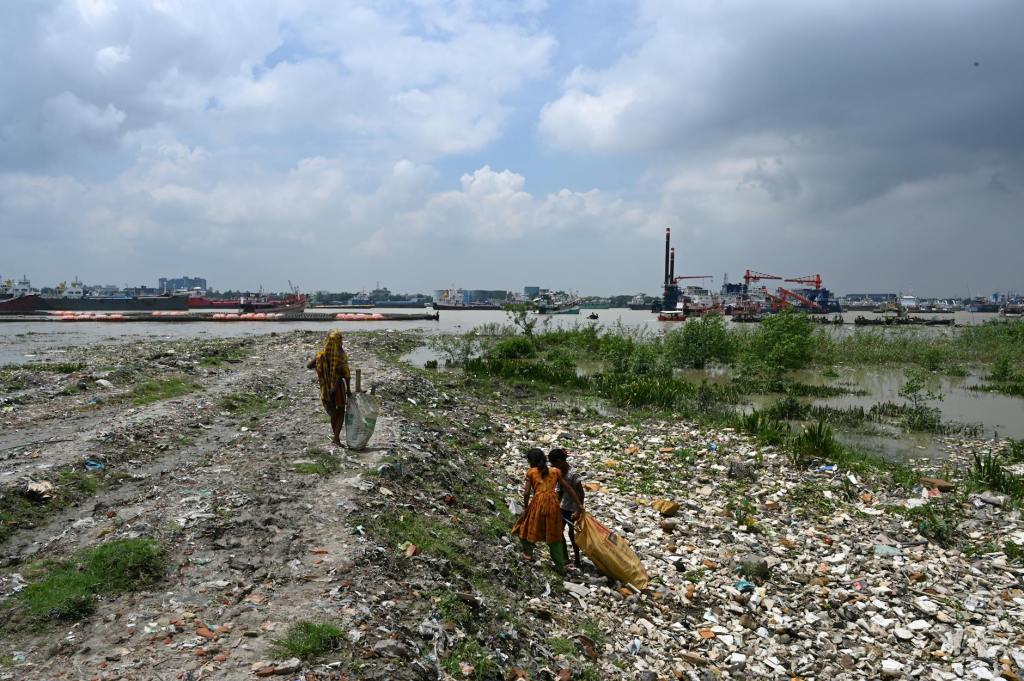
Before a plastic bag ever rides a wave, the ocean’s wounds begin on land. Cities are central to marine pollution because they concentrate people, pipes, and pavement and what starts on streets and in sewers flows to rivers and coasts.
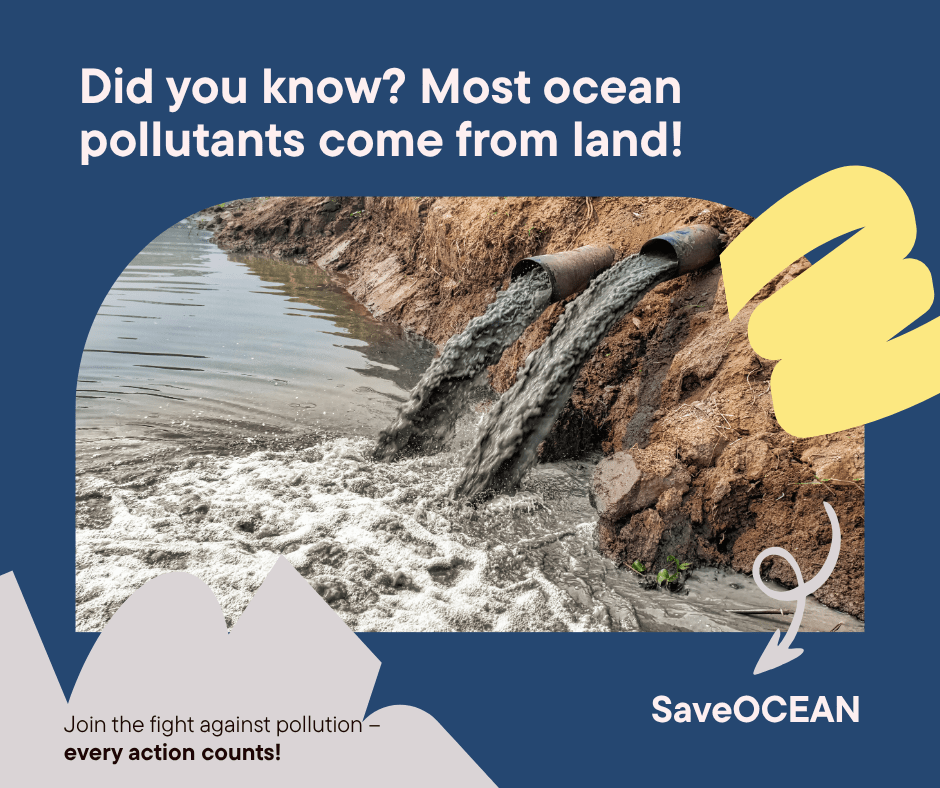
Here are five facts that show why city action matters.
1) Fact: Nutrient overload creates “dead zones.”
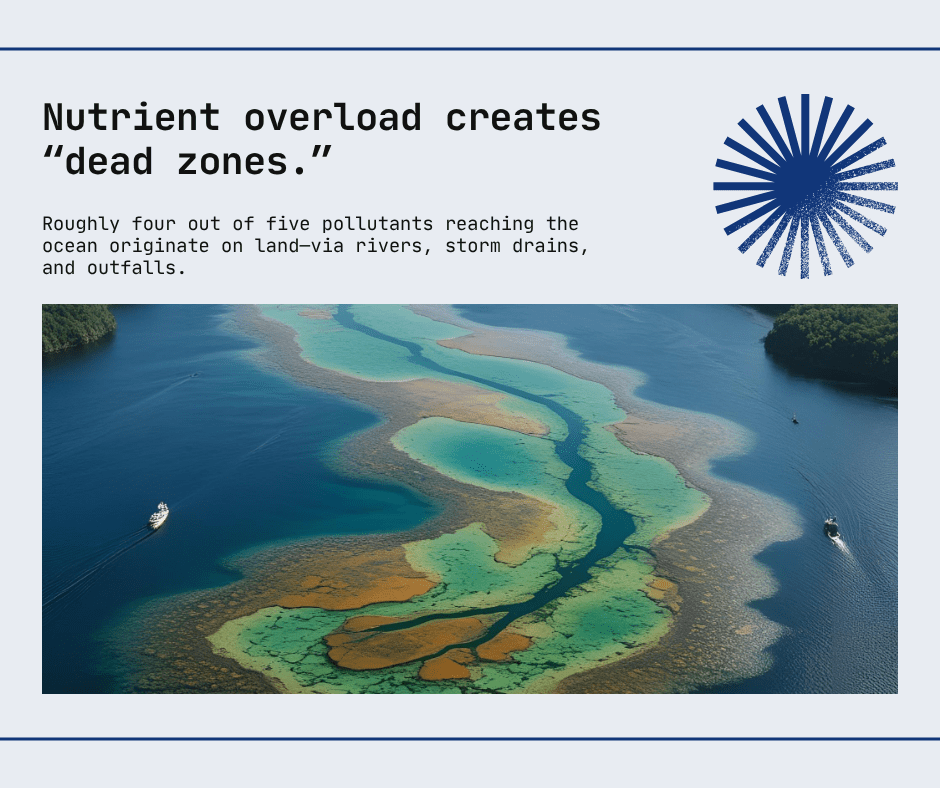
Roughly four out of five pollutants reaching the ocean originate on land—via rivers, storm drains, and outfalls. Excess nitrogen and phosphorus set the next act in motion.
Algae bloom—sometimes a jade haze, sometimes a rusty band that rides the wind. From the surface it can look like life surging back. Below, light fades and gills work harder.
When the bloom collapses, bacteria feast on the dead cells, burning through the water’s oxygen faster than waves and tides can replace it. Instruments mark the slide: five milligrams per liter, then three, then below two the line scientists use to flag hypoxia. After that, crabs climb ropes to find a layer they can breathe. Fish either flee or roll to the surface and die.
There are now hundreds of coastal hypoxic zones recorded worldwide. Some appear and fade with the seasons; others linger with some notable examples:
- The Baltic Sea carries one of the largest persistent low-oxygen areas on the planet.
- Chesapeake Bay’s dead zone swells most summers, then shrinks as winds and cooler weather mix the water.
- In the northern Gulf of Mexico, where the Mississippi River’s nutrient load meets heat and calm, the low-oxygen area has stretched to thousands of square miles in bad years—an expanse large enough to redraw local fishing maps until storms finally stir the water.
2) Fact: Wastewater remains under-treated globally.
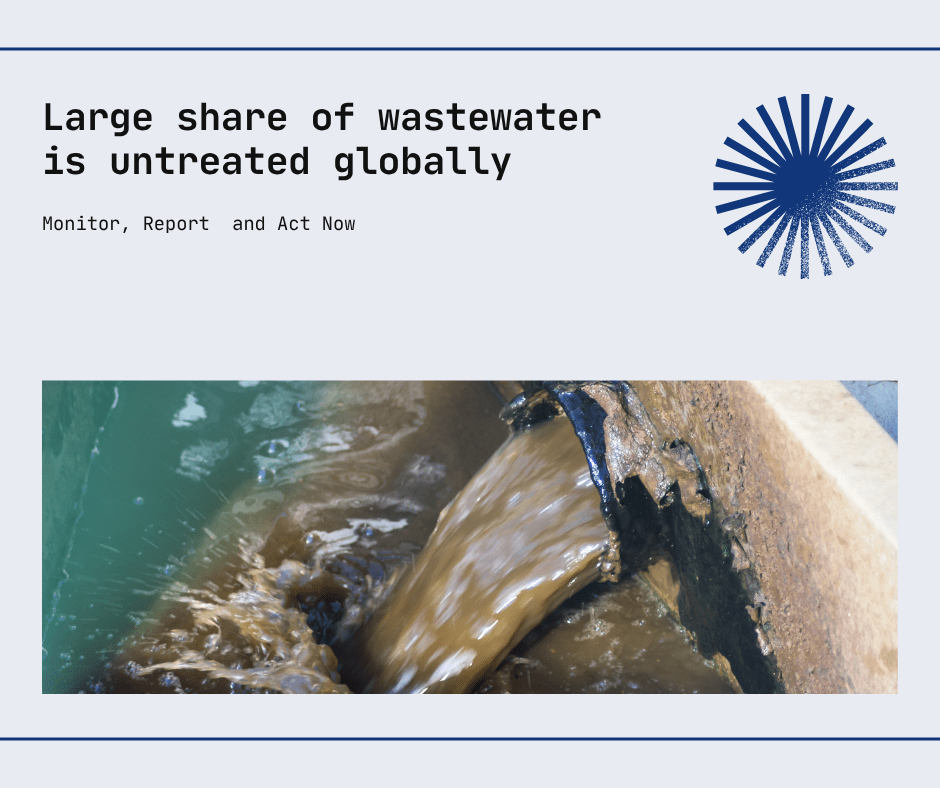
A large share of the world’s wastewater never truly meets a filter. Estimates often cite that roughly four-fifths is released untreated or under-treated, and you can see what that means if you follow a day’s water from tap to tide.
In the city, morning showers, laundry cycles, and dishwashers wake before the sun. Hospital sinks add their rinse water; a small dye house discharges the last of yesterday’s bath; restaurants hose down alleys. All of it drains into pipes designed decades ago for fewer people and gentler storms. By late afternoon, the treatment plant hums at the edge of town, clarifiers turning slowly. When rain hits after a dry spell, the flow surges, the channels churn, and brown water heads for the river faster than the plant can catch its breath. Warning lights blink at the outfall; a bypass gate creaks open.
Outside the city, septic tanks do their quiet work until they don’t. A cracked lid, a clogged leach field, a wet spring that keeps the ground saturated—wastewater rises and seeps toward the nearest ditch. In heat, the runoff smells sharp and ammoniac; in cold, it slides under ice and travels unseen.
Between storms, chemical markers persist—surfactants from detergents, traces of solvents, the stubborn fingerprints of metals. Some creeks run oddly bright for a day, blue or green where a wash system bled its dye. In summer, nutrients push the water toward bloom: a surface slick that casts shade; a smell that starts sweet, then goes sour, then rotten as the bloom collapses. Meters show dissolved oxygen falling at the bottom until crabs climb ropes and fish crowd the thin layer where breathing is still possible.
Pharmaceuticals ride the same route. Compounds that were never part of the original design—antidepressants, painkillers, hormones, antibiotics—thread through treatment and into rivers in doses small enough to ignore until you line them up in a lab report.
Untreated and under-treated water does not vanish. It becomes the river for a time, then the estuary, then the edge of the open sea. It carries nutrients that rewrite the calendar of blooms, pathogens that close beaches on cloudless days, and chemicals that do their work whether anyone is looking or not. The ocean receives all of it and keeps a record in currents and sediments, a ledger written in numbers and in the quiet places where life thins out and waits for the tide to turn.
3) Fact: Plastic leakage is massive.
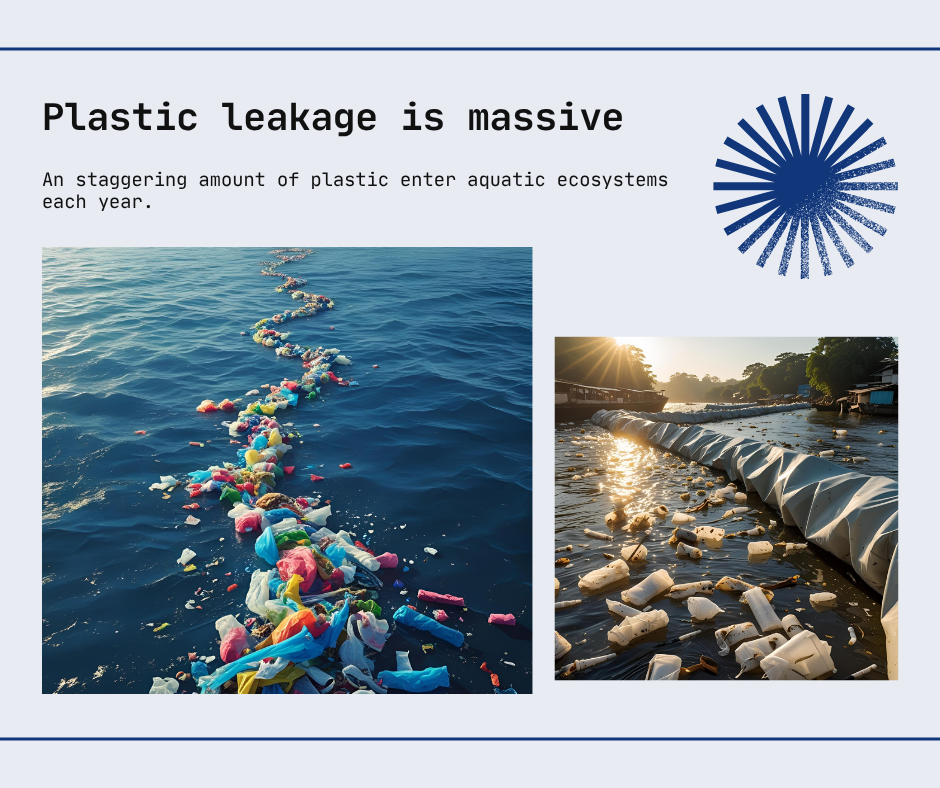
A staggering 19–23 million tonnes of plastic enter aquatic ecosystems—rivers, lakes, and oceans—each year. Most of it starts on land and moves in pulses: monsoon surges, or stormwater and open dumps into drains and rivers. A relatively small share of rivers—on the order of a thousand, largely in densely populated, poorly serviced basins—carry the majority of the global load.
In these waterways, leakage spikes with rainfall, holidays, and market days, then travels downstream as floating debris, suspended fragments, and heavier pieces rolling along the bed.
Once in motion, plastics sort themselves by density and shape. Buoyant polymers raft on the surface and strand on banks and deltas; denser items sink and accumulate in channels and estuary muds; larger objects abrade into microplastics that mingle with sediment and plankton. What leaves a river mouth doesn’t vanish—it spreads along coasts, fills embayment’s, and collects in convergence zones offshore, turning distant shorelines into archives of choices made far upstream.
4. Fact: The “first flush” carries most of the mess.
After dry spells, the first millimeters of rain act like a broom. Dust and tire wear, copper from brake pads, zinc from rooftops, leaked motor oil, lawn fertilizer, pet waste, cigarette ash—the fine film that builds on roads and roofs—lift all at once and rush toward the nearest grate. This “first-flush” runoff is short and concentrated.
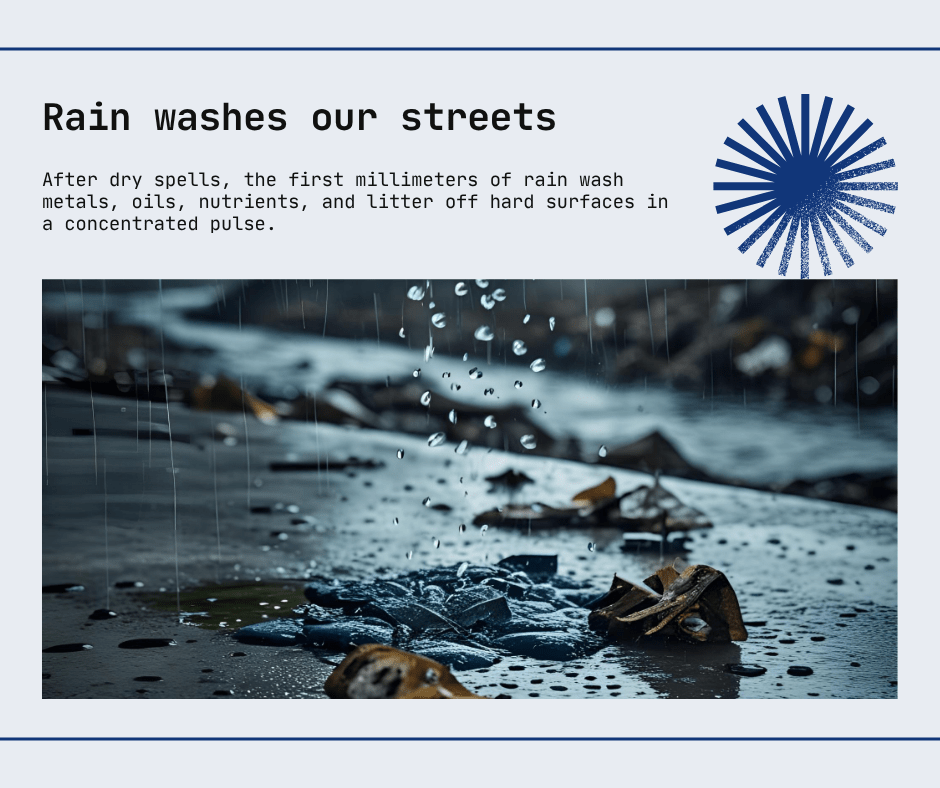
The pulse moves fast. In the first few minutes of flow, suspended solids spike; dissolved metals and hydrocarbons climb with them; nitrogen and phosphorus ride off sidewalks and verges. Catch basins belch trapped litter—straws, sachets, fragments of film—followed by smaller pieces that slip through the screens. Where sewers are combined, that sudden volume pushes mixed wastewater toward relief points, and outfalls at the estuary mouth write a temporary stain across the tide line.
Then, just as quickly, the numbers fall back toward ordinary rainwater. But the surge has already traveled: a line of scum along reeds, a slick pressed into the leeward corner of a marina, a thin, breathless layer near the bottom where decay has started. On the surface, the city looks washed clean. Downstream, the first flush is still unfolding.
5) Fact: Micro-sources add up.
In town, laundries hummed before sunrise. Warm, soapy water ran to the drains carrying threads too fine to see—fibers shaved from jackets and jerseys, bedding and ropes, the invisible lint of synthetic lives. Each washday tugged a little more from the weave, and the fibers slipped through pipes built long before anyone thought to look for them.
On the ring road, tires kissed asphalt a million times an hour and left a trace with each touch. The dust was black and soft, easy to miss until the first rain turned it to a smear along the curb and nudged it toward the river. Brake pads added their copper, road paint shed bright flakes, and storm grates swallowed the mix whole.
The market added its share without meaning to. Film from pallets, straps cut from bundles, wrap from fish trays—what the wind couldn’t lift, shoes ground down. In back alleys, bins spilled after busy days, and the smallest pieces slipped away: confetti that would become dust by the time it reached the canal.
Farther upriver, a warehouse handled plastic pellets—white, lentil-sized nurdles meant to be melted into something useful.
A torn bag here, a spill there; the pellets rolled like hail toward the grate and disappeared.
On the waterfront, paint flaked from hulls and fences, bright chips softening as they tumbled along rocks. Nets and lines—strong because they were synthetic—shed fuzz where they rubbed against metal, a slow shedding no one noticed until the fuzz was already water
When the wind swung offshore, the air itself carried particles. Dust from roads and roofs, fibers shaken from clothes on balconies, fragments of old films loosed from sun-brittle tarps—they fell back as a fine glitter, sometimes miles from where they began.
Laundry weeks brought more threads. Holiday traffic, more road dust. A windy market day, more film and fragments. Pellets came in clusters after certain tides and certain trucks. Each on its own was ordinary, almost nothing. Together they made the sea to wear it because there was nowhere else for it to go.
Takeaways and Hope Forward
In short: cities are where pollutant pathways begin and where infrastructure decisions write the story that rivers carry to the ocean.
But there is hope. When cities align plans with SDG 14 and publish the numbers, the changes show up where people live: beach signs that stay green after storms, shellfish beds reopening on sunny days, fish nosing back into grounds that went quiet.
Why SDG 14—and how it can help cities
- Common roadmap: SDG 14 gives cities a clear, shared framework to tackle marine pollution, habitat loss, and overexploitation—so departments, ports, and utilities work toward the same targets.
- Measurable progress: Indicator 14.1.1 (eutrophication & plastic debris) turns coastline health into numbers for dashboards, budgets, and annual reporting.
- Policy alignment: Targets (14.1 pollution, 14.2 ecosystems, 14.4 fisheries, 14.5 MPAs, 14.a science, 14.c governance) help align bylaws, permits, and port rules with national and UN commitments.
- Funding leverage: SDG-linked plans unlock grants, blue bonds, and impact finance tied to clean-water outcomes.
- Cross-sector coordination: Brings together public works, wastewater, stormwater, solid waste, planning, and harbor authorities under one agenda.
- Public trust & co-benefits: Clear goals + published metrics build accountability and deliver outcomes residents feel
It isn’t glamorous work. It’s steady, visible work—tracking what flows, fixing what leaks, greening the hard edges, catching what would have drifted, caring for the working coast, and being honest about results.
Residents feel that honesty. Fewer closures. Cleaner shorelines. A harbor that smells like salt again. The ocean may be vast, but its recovery begins on blocks and boulevards—one mapped drain, one measured river, one year of public data at a time. Tell that story, and the tide turns where it matters most: at home.
Because every pipe is a pen—and you get to write what reaches the sea.

 SaveOCEAN
Leave a comment