
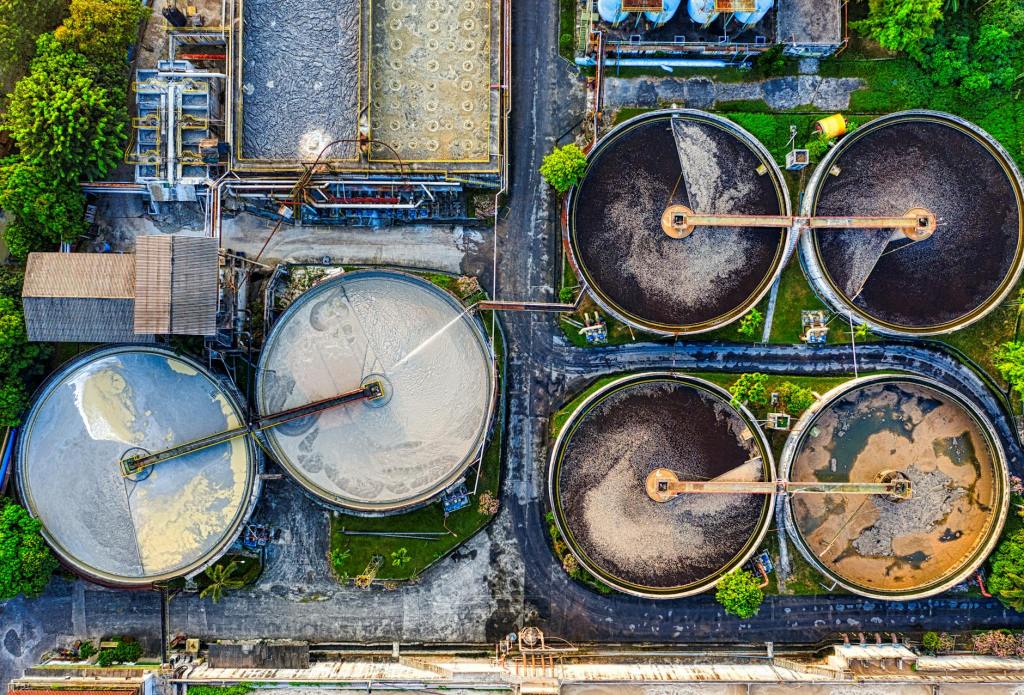
1. The Urgency Behind Untreated Wastewater
Imagine a world where up to 80% of our wastewater laden with harmful pathogens, chemicals, and plastics is dumped untreated into our waterways and oceans. Unfortunately, this scenario isn’t hypothetical; it’s our current reality. Annually, this untreated wastewater contributes to nearly half a million deaths worldwide, impacting both public health and economic stability.
2. Nature-Inspired & Decentralized Solutions
But there’s good news: emerging studies and innovative, low-cost technologies suggest this issue can be tackled head-on, even by communities with limited resources.
Eco‑Machines & Bio‑Inspired Systems
- John Todd’s innovative eco-machines, inspired by nature’s own waste management systems. These systems use biological processes to transform wastewater into drinkable water within days.
- Remarkably, Todd’s recent project, aptly named “The Fleet,” harnesses solar and wind energy on floating platforms to clean polluted waters—a powerful yet affordable solution for marine areas struggling with pollution . The Guardian.
Constructed Wetlands & Floating Treatment Wetlands
- Constructed wetlands: Meanwhile, simpler, community-oriented solutions are making headway. Constructed wetlands and Floating Treatment Wetlands (FTWs) have emerged as low-cost yet highly effective strategies. In Italy, these constructed wetlands have proven their worth, generating returns several times their initial cost. Read more at: arXiv.
- Floating Treatment Wetlands (FTWS) made from low-cost materials like bamboo, styrofoam, and coconut fiber, planted with pollutant‑absorbing vegetation, have cleaned lakes in Nepal and India—reducing nitrates, phosphates, heavy metals, and ammonia while offering aesthetic and community value. Read more at: WIRED.
Decentralized Wastewater Systems
- DEWATS, provide another scalable model, particularly suited for regions lacking infrastructure. These systems, which involve local ponds and simple reactors, are already showing promise in Kenya, India, and parts of Southeast Asia. Read more at: Wikipedia.
3. Emerging Low‑Cost Tech & Membrane Innovations
Photocatalytic Beads Using Natural Sunlight
- In India, recent work at National Institute of Technology, Rourkela researchers recently developed affordable, reusable photocatalytic beads activated by sunlight, capable of removing over 80% of contaminants from wastewater, retaining 90% efficiency across 15 reuse cycles—ideal for rural and energy-limited contexts. Read more: The Times of India.
Nanofiber Membrane Filters (PVDF + Biosurfactants)
- Similarly, nanofiber membrane filters using bio-friendly materials have been shown to trap up to 99.9% of microplastics and oil-water separation (~ 95%), providing affordable yet advanced filtration capabilities along with high permeability and anti-fouling performance. Read more at: arXiv.
Biofilm and Algal Reactors for Pollutant Trapping
- Microbial biofilms and algal biofilm reactors offer compact, sludge‑limited remediation. They effectively immobilize heavy metals and trap microplastics, while algae can uptake excess nutrients from wastewater—sometimes used later for biomass or biofuel. Read more at: Wikipedia
Electrocoagulation & Nanosponges
- Electrocoagulation (EC) is being applied more affordably to treat oil emulsions, heavy metals, and persistent organics by coagulating and oxidizing pollutants without chemical addition. It now occupies a proven niche in industrial-scale low-cost water treatment Wikipedia.
- Nanosponges, especially cellulose- and starch-derived materials, bind heavy metals efficiently and affordably, and can outperform activated carbon or ion-exchange resins for metal removal in wastewater Wikipedia.
4. Tackling Microplastics & Emerging Contaminants
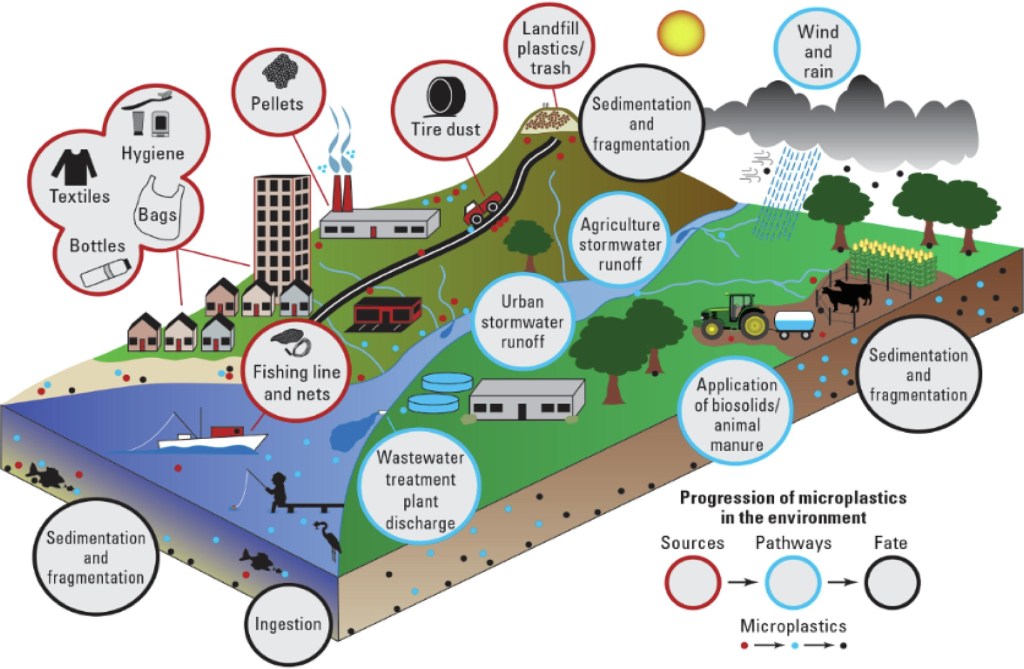
- Advanced membranes, biofilms, and nanotech filters are achieving over 99% removal rates for sub-micron plastics and oil emulsions—indicating scalable and cost-effective potential for significantly reducing microplastic loadings from wastewater treatment plants. These innovative solutions leverage sophisticated yet affordable materials, such as bio-based surfactants, titanium dioxide coatings, and nanosponges derived from sustainable resources like cellulose and starch. Recent pilot projects in urban wastewater treatment facilities have not only confirmed the high efficiency of these technologies but also demonstrated their practicality for widespread adoption, marking a significant step forward in our collective effort to address microplastic contamination at its source. Read more at: sciencedirect.com
5. Policy, Economics & Global Mobilization
- At the 2025 UN Ocean Conference, the Ocean Sewage Alliance unveiled their Global Action Platform to End Sewage Pollution, spotlighting proven interventions—from decentralized sanitation in Kenya to reef restoration in Honduras—and prioritized global monitoring, financing, and policy tools The Nature Conservancy
- A new report launched at the World Ocean Summit in Japan revealed the extent of the reverberations felt of a mismanaged sewage system, including upon depleting food sources and overwhelmed health care systems globally underscoring that improved sewage systems are not only environmentally necessary, but economically imperative Oceanographic.
- A recent Time article outlined ten steps to turn ocean pledges into action, including scaling low-tech sewage treatment, enforcing the “polluter pays” principle, and deploying public-private innovation for ocean health by 2028 TIME.
Summary: Low‑Cost Fixes That Work
| Approach | Advantages | Applications & Impact |
|---|---|---|
| Constructed & Floating Wetlands | Low-tech, ecosystem-friendly, strong ROI (benefit-cost 4–10×) | Nutrient reduction; small-town lake cleanup |
| Decentralized Systems (DEWATS) | Modular, scalable, ideal for rural/limited-infrastructure areas | Kenya, South Asia, urban slums |
| Photocatalytic Sunlit Beads | Reusable, solar-powered, low-energy COD removal | Rural wastewater ponds |
| PVDF Nanofiber Membranes | Ultra-high microplastic/oil rejection, antifouling | WWTP tertiary systems, industrial effluents |
| Biofilm & Algal Reactors | Natural, low-sludge, nutrient uptake, microplastic trapping | Community-scale sanitation and monitoring |
| Electrocoagulation & Nanosponges | Effective removal of metals, oils, organics; minimal chemical use | Post-secondary industrial/treatment outlets |
What’s Next: Scaling and Integration
Combine low-cost nature-based systems with low-energy tech (e.g. wetlands + biosurfactant membranes) for hybrid solutions.
Community engagement and policy support are key—training and local buy-in make floating wetlands and DEWATS sustainable.
Deploy global monitoring and financing platforms to scale proven models.
Public-private partnerships are essential to accelerate adoption—from eco-entrepreneurs to startups and scalable technologies
Conclusion
Addressing wastewater pollution is no longer an option—it’s a necessity. Fortunately, solutions are within reach, scalable, and economically sensible. Nature-inspired methods, decentralized community systems, and cutting-edge low-cost technologies are already showing impressive results worldwide.
The science is clear—and increasingly actionable: low-cost, decentralized, and nature-inspired methods can significantly reduce wastewater pollution, protect human health, and safeguard marine ecosystems. With investment, policy support, and entrepreneurial innovation, these solutions are ready to transition from pilot projects to widespread implementation—and turn wastewater into clean waterways.
Act Now
Now it’s your turn.
- What are your thoughts on these solutions?
- Which approaches do you see as most promising in your community or region?
The conversation on clean water solutions is far from over—your voice matters in shaping the future of our waterways.
References:
- The Guardian (Eco-machines, Microplastics Pollution)
- Arxiv (Constructed Wetlands, Nanofiber Membranes)
- Wired (Floating Treatment Wetlands)
- Wikipedia (Decentralized Wastewater Systems)
- Times of India (Photocatalytic Beads)
- Ocean Sewage Alliance (Global Action Platform)
- Oceanographic Magazine (Economic Costs and Policy Recommendations)
 SaveOCEAN
Leave a comment