
When coastal communities speak, we should listen—and publish receipts. This new NOAA report finally puts numbers on it.
Fresh data from NOAA’s National Coral Reef Monitoring Program (NCRMP) has released the second round of socioeconomic findings for the Commonwealth of the Northern Mariana Islands (CNMI), based on a representative, in-person household survey (Feb–Mar 2024) across Saipan, Tinian, and Rota. This follows the first CNMI cycle in 2016 and tracks how people use, value, and support coral reef management over time.
How people use reefs
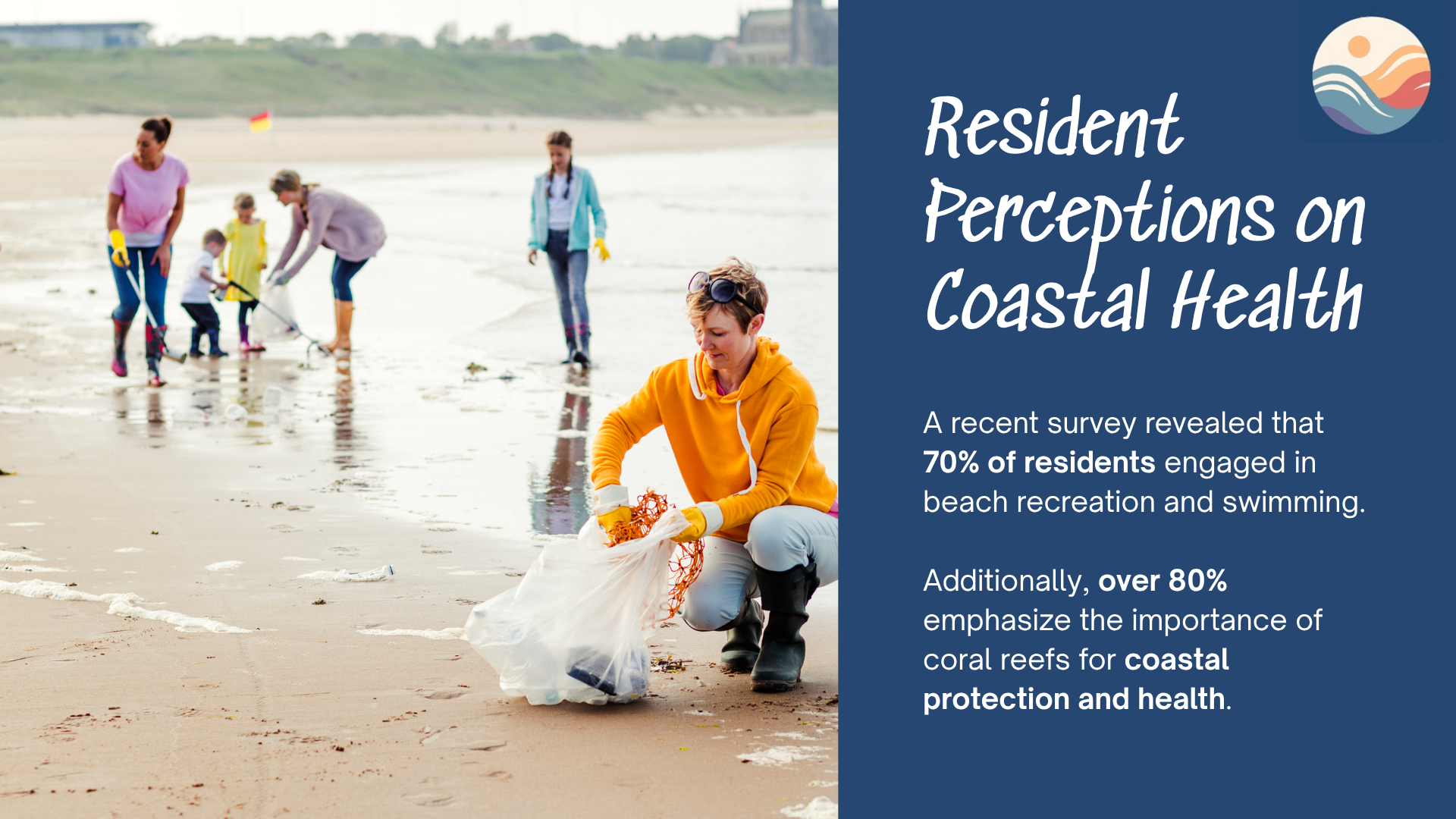
≥70% of residents participated in beach recreation and swimming/wading in both 2016 and 2024; participation in most activities increased over time.
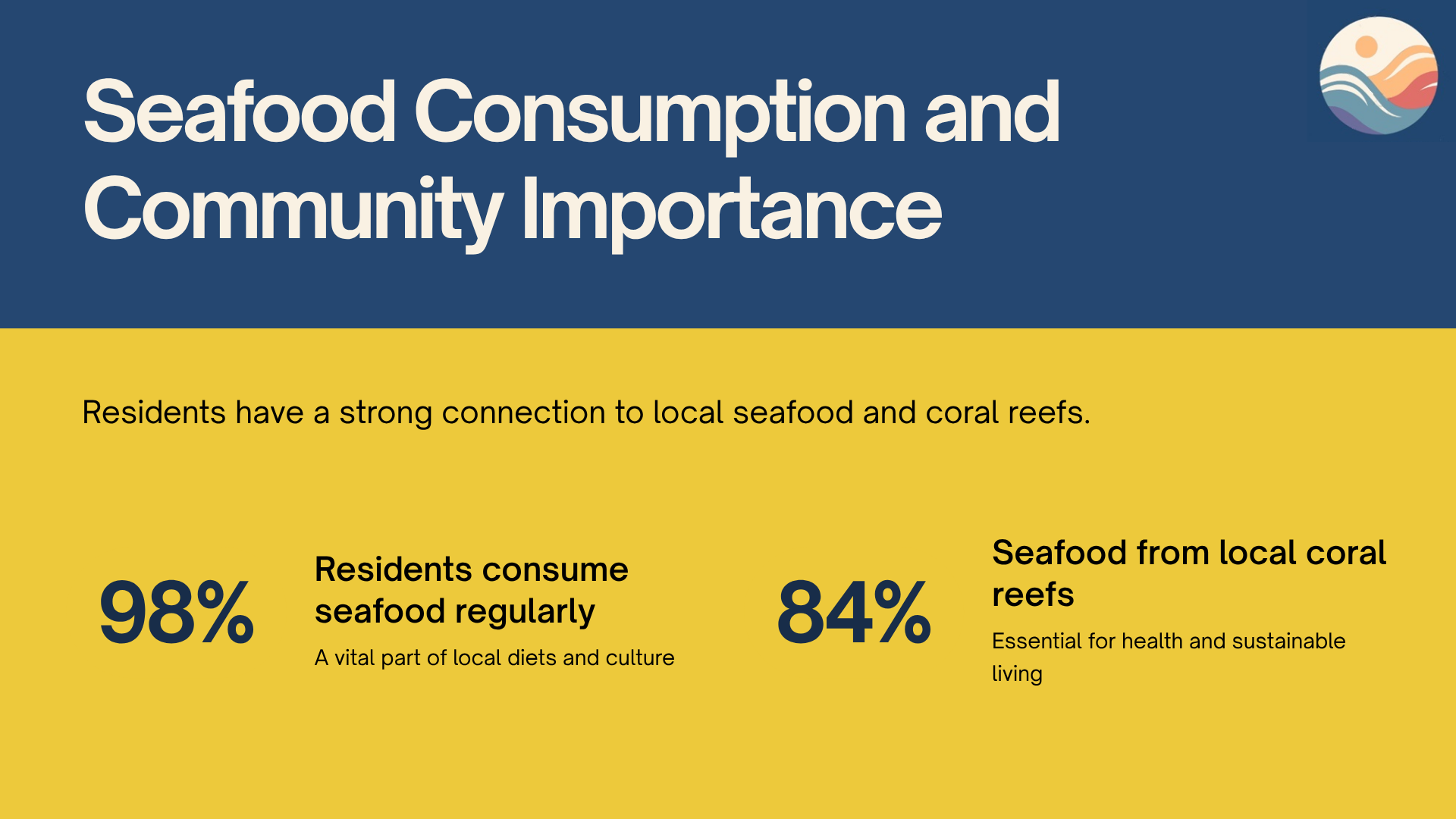
Seafood is near-universal: Nearly every resident (98%) in CNMI eats seafood in at least some meals on average, and 84% of those residents ate seafood from local coral reefs.
Why it matters: Reefs are not abstract—they’re dinner, tradition, weekend plans, and local livelihoods. Programs that improve reef health directly support household well-being.
Residents recognizing reefs importance
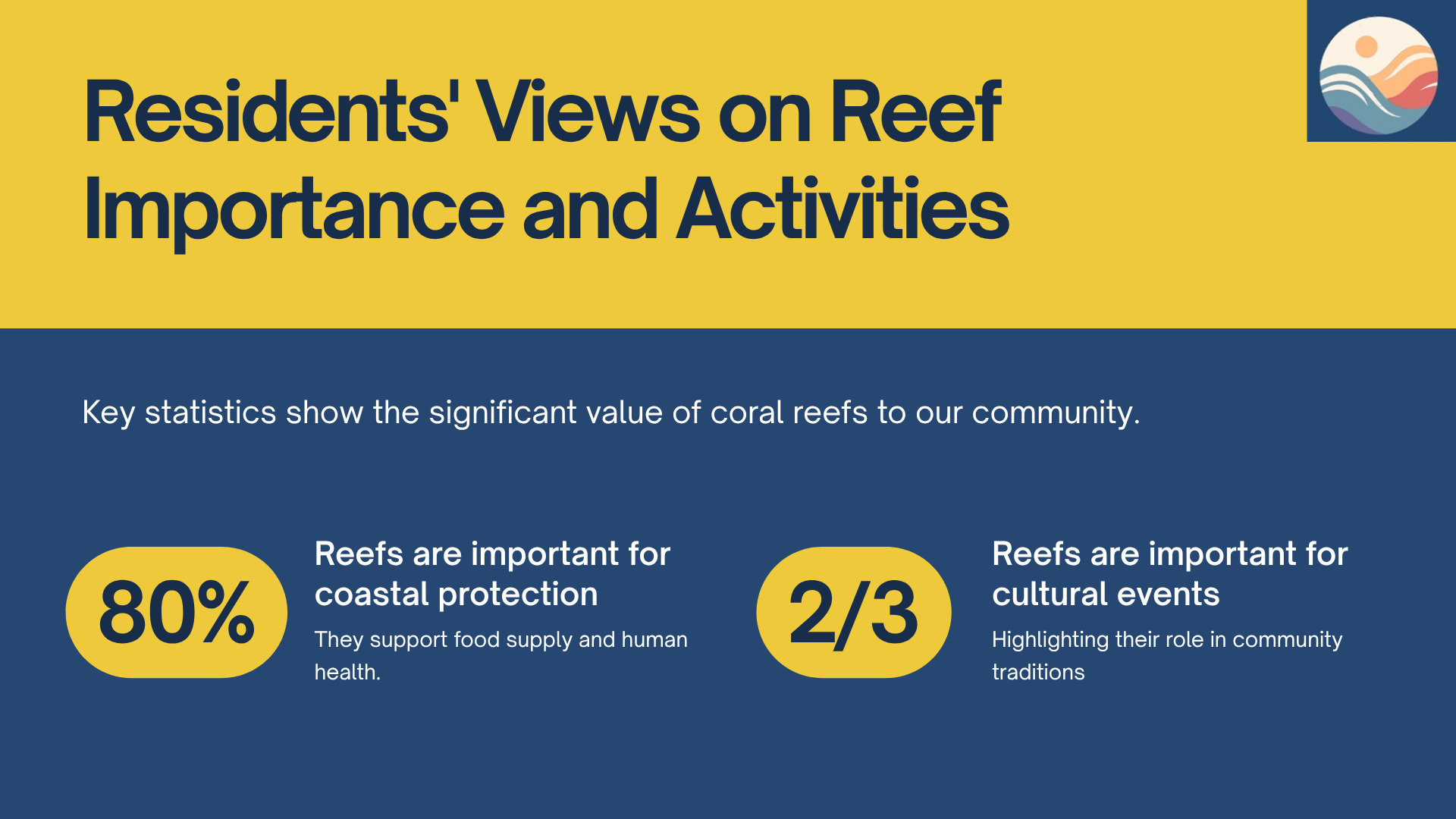
Over 80% of residents believe their coral reefs are “extremely important” for coastal protection, food, and human health. They see the reefs not just as beautiful, but as essential, living infrastructure.
About two-thirds said reefs are important for cultural events (fiestas, ceremonies) and for maintaining social ties.
Why it matters: Conservation isn’t just ecology; it’s safety, nutrition, culture, and community cohesion. That breadth of value underpins durable policy support.
How conditions are perceived—and where expectations split
- At least 50% of residents rated ocean water quality and the amount of fish as good.
- Residents were split on whether these conditions will improve or worsen over the next 10 years.
- Over 90% believes that reefs protect the area from natural disasters.
Why it matters: A 50/50 outlook is a warning light: communications and interventions must convert awareness into confidence by showing measurable improvements.
Threats that people recognize
- By 2024, familiarity with threats increased versus 2016; the largest rise was for coral bleaching.
- 46–49% identified coral bleaching, marine litter, pollution, and ocean acidification as severe threats.
- Least recognized threat both years: invasive species, yet familiarity increased by 26.2% in 2024.
Why it matters: Residents are tracking global and local stressors. That’s momentum to accelerate runoff controls, heat-stress response, and anti-litter initiatives.
What management actions people support
- ≥80% support active coral reef restoration, community participation in marine resource management, new wastewater treatment requirements, and tighter coastal construction restrictions to cut soil/stormwater runoff.
- Support levels were generally lower in 2024 than in 2016—but still high overall.
Why it matters: The mandate exists—especially for runoff reduction and restoration—but projects must be visible and accountable to sustain support.
Marine Protected Areas (MPAs): awareness and perceived effects
- A majority of residents knew about existing MPAs/marine preserves.
- >70% believed MPAs improved coral reef protection, and 64% believed MPAs improved the amount and size of fish.
- Perceptions of most MPA impacts were more negative in 2024 than in 2016—except for fishermen livelihoods, where residents were more likely to perceive positive impacts in 2024.
Why it matters: Awareness is high, perceived benefits are meaningful, but the narrative needs maintenance—especially showing how MPAs help both ecosystems and incomes.
Conservation behaviors and barriers
- >80% said it is extremely important for residents to help protect reefs.
- Most already reduce electricity/water use and avoid single-use plastics; <50% have taken longer-term actions like septic/sewer upgrades.
- Common barriers: lack of opportunity, knowledge, or permission.
Why it matters: People want to act. Make the right action the easy action—and remove administrative friction.
Why this matters (and why we’re sharing it)
People first: The data is about household experience—what communities see, believe, and will support—not just what satellites or transects record.
Authority & comparability: NCRMP uses standard methods across all U.S. coral reef jurisdictions, enabling trend comparisons and policy transfer. Numbers like 98% seafood consumption and ≥80% support for restoration and community management aren’t just interesting—they’re a mandate.
The question is how quickly we can turn that mandate into visible results residents can point to.
How SaveOCEAN can help
SaveOCEAN stands ready to help CNMI agencies and partners turn these findings into trackable projects and public dashboards—so the next survey doesn’t just measure opinions, it measures progress.
These findings prove that local communities are not just stakeholders; they are the frontline stewards and experts of their marine environment. Protecting our oceans means empowering and listening to these voices. Their wisdom is our roadmap.
If you’re a policymaker, educator, or a citizen and want the know more about data transparency and our initiatives, or simply receive the one pager download ready report message us at ceo@saveocean.net.
Let’s amplify the voices of those who depend on our reefs every single day.
Data like this only matters if it moves budgets, behaviors, and reefs.
Share this post if you believe community-led conservation is the future!
What is the most surprising insight here for you? Comment below! 👇
#SaveTheOcean #SaveOCEAN #CoralReefs #CommunityConservation #CNMI #NOAA #NatureBasedSolutions #MarineScience #OceanOptimism
 SaveOCEAN
Leave a comment