
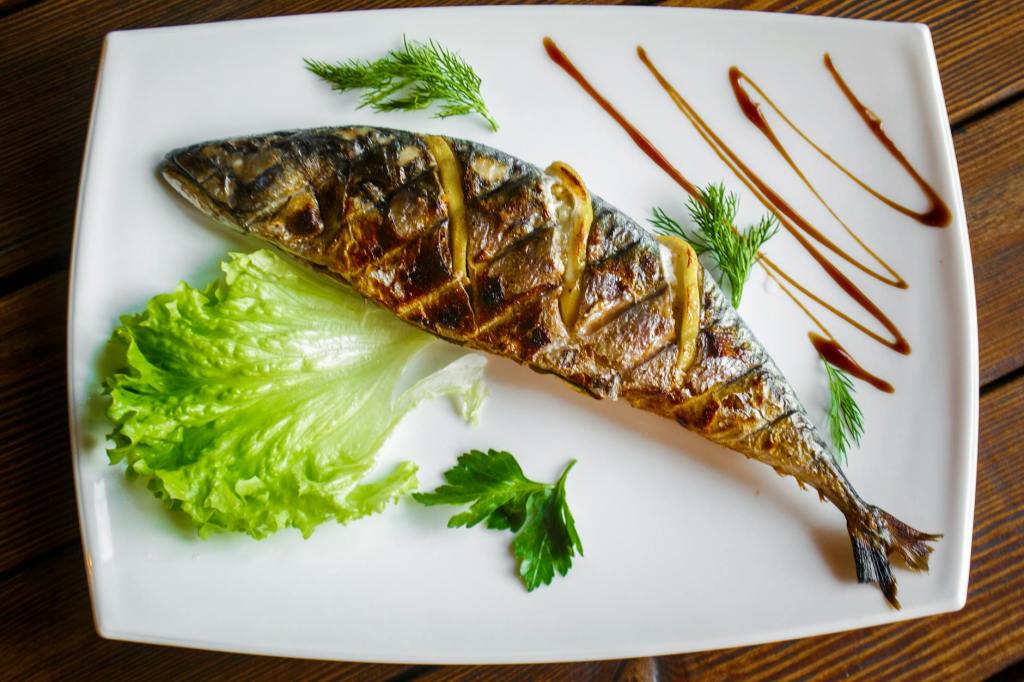
The seafood on our plates tells a story. It should reflect healthy oceans, responsible fisheries, and transparent supply chains. But increasingly, that story is being rewritten by fraud.
A recent report from the Food and Agriculture Organization of the United Nations (FAO) reveals a troubling reality: food fraud in the fisheries and aquaculture sector is widespread, complex, and growing. The global seafood system, worth nearly USD 195 billion and producing more than 185 million tonnes annually, has become increasingly vulnerable to deception.
The Scale of the Problem
Seafood fraud occurs when products are intentionally misrepresented for economic gain. In fisheries and aquaculture, this can take many forms: species substitution, mislabeling, adulteration, counterfeit products, or false claims about origin and sustainability.
One of the most alarming findings is how common it is.
Research compiled in the report suggests that around 20 percent of seafood products globally may be mislabeled.
That means one out of every five seafood purchases could be something different from what the label promises.
Restaurants and processed seafood products are particularly vulnerable. Once fish is filleted, frozen, or transformed into prepared meals, it becomes difficult to visually identify the species. That creates opportunities for substitution.
In many documented cases, cheaper fish are sold as premium species. Farmed fish may be marketed as wild-caught. Fish from questionable sources may be relabelled to appear legal and sustainable.
The result? Consumers are misled, responsible fishers are undercut, and illegal fishing can slip through the cracks.
Why Seafood Is So Vulnerable
The seafood supply chain is uniquely complex.
More than 12 000 aquatic species are traded globally, often moving through multiple countries before reaching consumers.
A single fish might be caught in one ocean, processed in another country, packaged in a third, and sold in a fourth.
This complexity creates blind spots in traceability.
Add to that the perishability of seafood, rising global demand, and a growing market for processed products, and you have the perfect conditions for fraud to thrive.
But the impacts go far beyond economics.
A Risk to Public Health
Seafood fraud can also be a food safety issue.
When species are substituted or mislabeled, consumers may unknowingly be exposed to toxins, allergens, or contaminants. Some substituted species carry naturally occurring toxins or higher levels of mercury. Others may come from sources that bypass safety inspections altogether.
Adulteration practices can also be dangerous. Some fish products have been treated with chemicals to mask spoilage or artificially enhance their appearance, making old fish appear fresh.
These practices undermine consumer safety and erode trust in the seafood market.
The Environmental Consequences
Seafood fraud is also a hidden driver of ocean degradation.
When illegally caught fish are disguised as legitimate products, it becomes easier for illegal, unreported, and unregulated (IUU) fishing to enter global markets.
This undermines fisheries management, threatens marine ecosystems, and penalizes responsible fishers who follow the rules.
Fraud also distorts sustainability claims. When farmed fish are sold as wild-caught—or when products falsely claim sustainable certification—it weakens the credibility of eco-labels and responsible seafood initiatives.
For ocean conservation, transparency is everything.
Science Is Fighting Back
Fortunately, technology is rapidly improving our ability to detect fraud.
Advanced analytical tools are now being used to verify seafood authenticity, including:
- DNA barcoding to identify species even in processed products
- Next-generation sequencing to analyze complex seafood mixtures
- Stable-isotope analysis to determine geographic origin
- Spectroscopic and chemical profiling to detect processing or additives
These technologies allow regulators and researchers to identify fraud with increasing precision.
But detection alone isn’t enough.
The Real Solution: Transparency
Preventing seafood fraud requires stronger systems across the entire supply chain.
Key solutions include:
1. Stronger traceability systems
Digital tracking tools, from blockchain to electronic catch documentation, can help ensure seafood can be traced from ocean to plate.
2. Clearer labelling standards
Including scientific species names and harvest methods on labels can reduce ambiguity and prevent substitution.
3. International cooperation
Because seafood supply chains cross borders, fraud prevention requires coordination between governments, regulators, and industry.
4. Consumer awareness
Informed consumers can drive demand for transparent, traceable seafood.
Why This Matters for Ocean Protection
At SaveOcean, we believe protecting marine ecosystems starts with protecting the integrity of the seafood system.
Transparency in seafood is not a luxury.
It’s a necessity for ocean health.
If we want resilient oceans and sustainable seafood for future generations, the seafood we buy must be exactly what it claims to be.
Because the truth about our seafood matters—for our health, our economies, and the oceans that sustain us.
 SaveOCEAN