
The National Oceanic and Atmospheric Administration (NOOA) – resource collections.
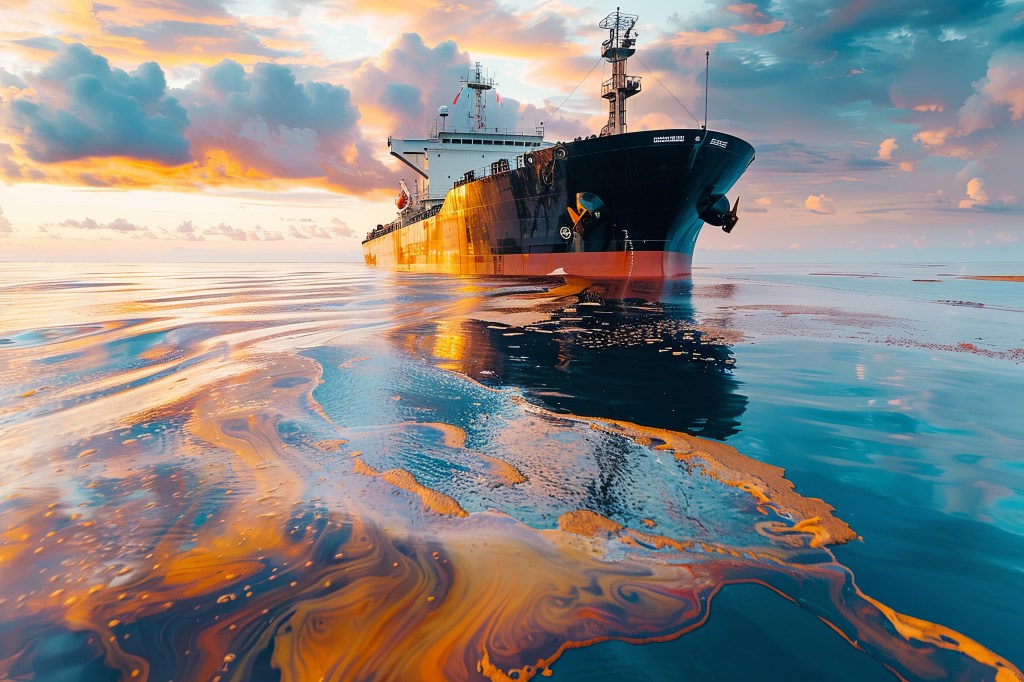
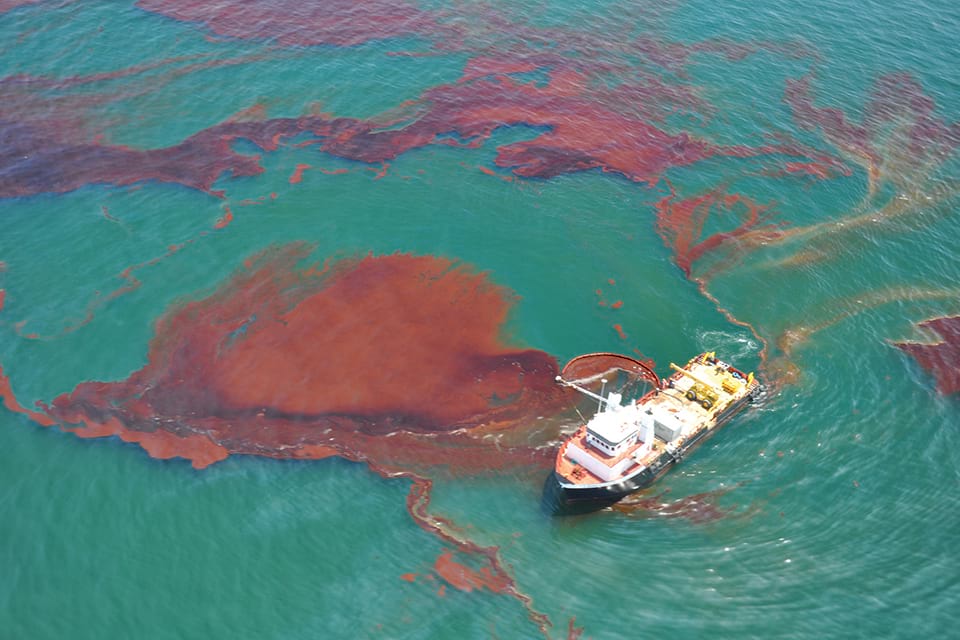
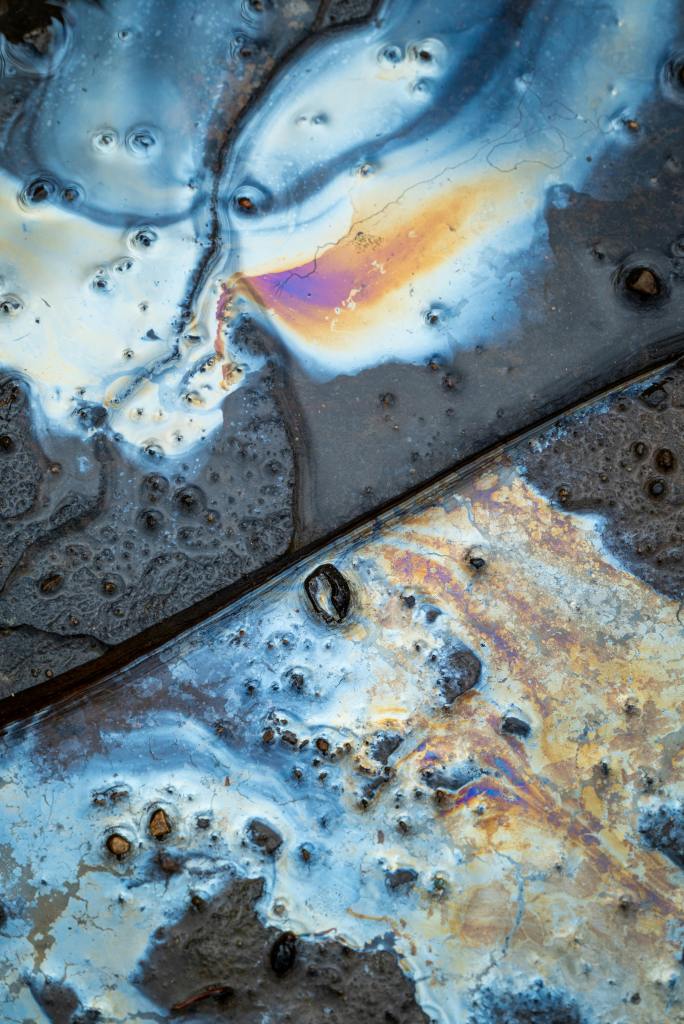
Oil is an ancient fossil fuel that we use to heat our homes, generate electricity, and power large sectors of our economy. But when oil accidentally spills into the ocean, it can cause big problems. Oil spills can harm sea creatures, ruin a day at the beach, and make seafood unsafe to eat. It takes sound science to clean up the oil, measure the impacts of pollution, and help the ocean recover.
The NOWPAP Marine Environmental Emergency Preparedness and Response Region Activity Centre (MERRAC)
Northwest Pacific Action Plan MERRAC Established jointly by UNEP and the International Maritime Organization (IMO) supports the Member States in building capacity and coordinating preparedness and response to oil and hazardous and noxious substances (HNS) spills and implementing the NOWPAP Regional Oil and HNS Spill Contingency Plan (RCP).

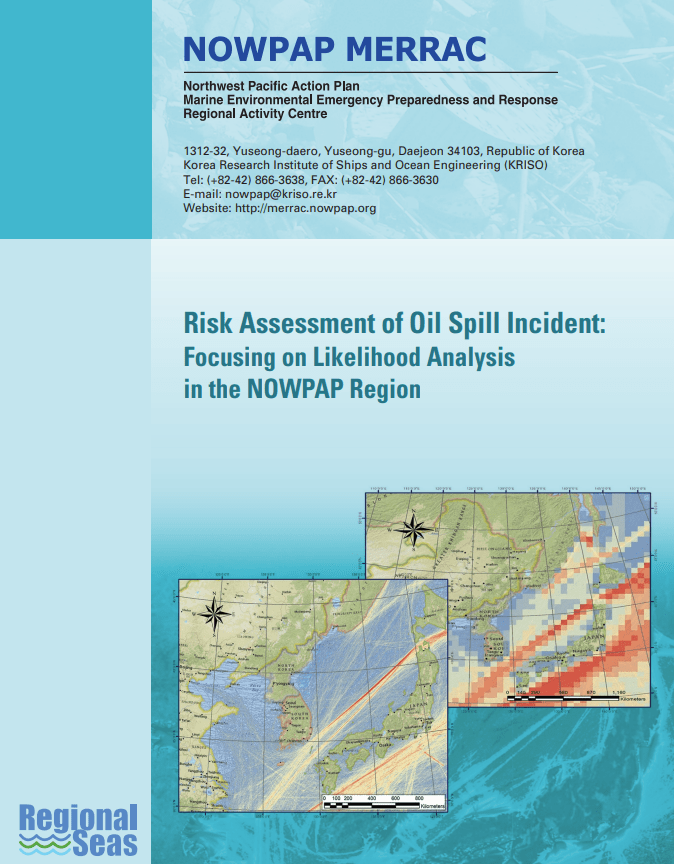
Risk Assessment of Oil Spill Incident Focusing on Likelihood Analysis in the NOWPAP region (2017). This assessment identifies hot spots of oil spill incidents in the NOWPAP region by collecting information on historic spill records, vessel traffic and sources of oil pollution, and conducting statistical analysis using the collected information.
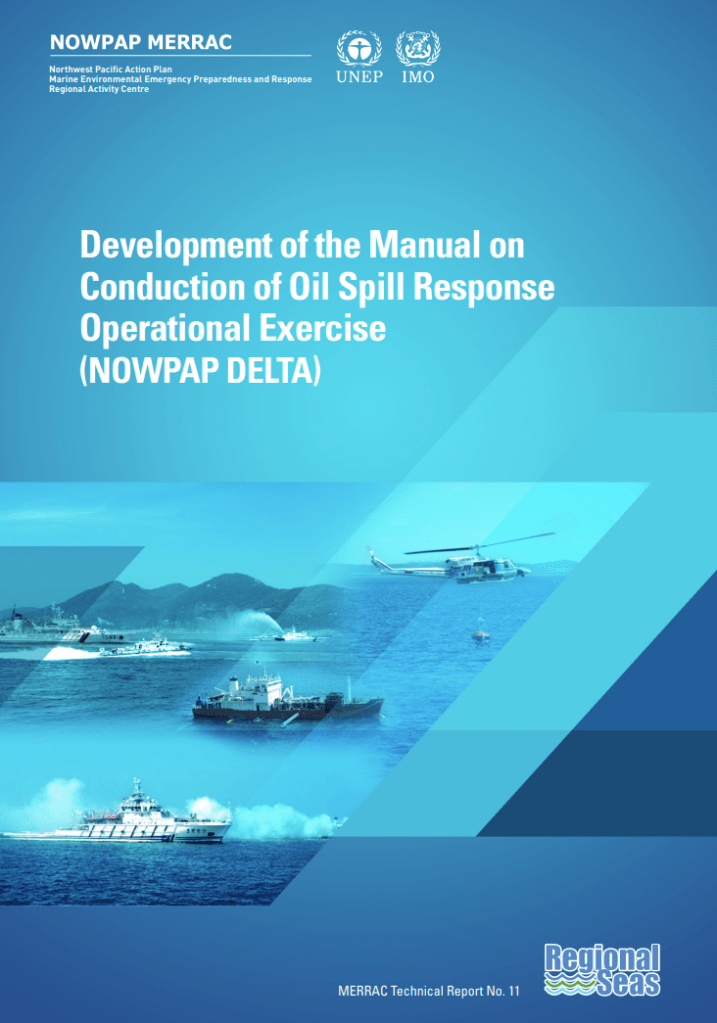
Development of the Manual on Conduction of Oil Spill Response Operational Exercise (2016). The aim of these guidelines are to harmonize and unify the process of preparing and conducting exercises – based on the experience of NOWPAP competent national authorities that have participated in the NOWPAP DELTA Exercise – as well as help improve oil spill response capacity and management of equipment of participating countries during the exercise.
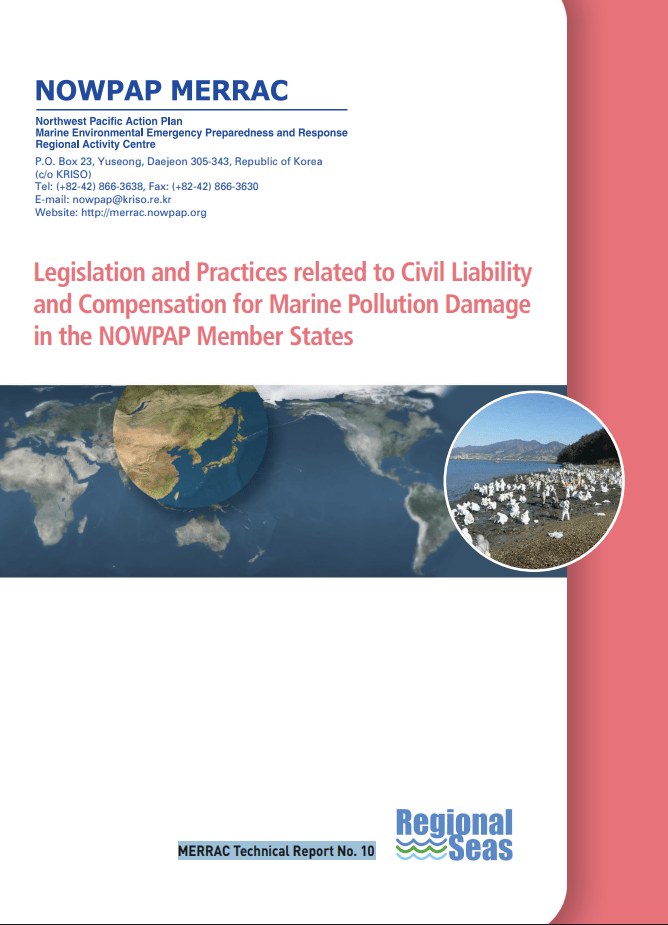
Legislation and Practices related to Civil Liability and Compensation for Marine Pollution Damage in the NOWPAP Member States (2015). This report provides a thorough study on compensation for marine pollution damage by ships, such a study is both important and meaningful for all NOWPAP member states in order for them to achieve better implementation of the NOWPAP Regional Contingency Plan in the case of oil and HNS spill incidents from ships.
Regional Report on HNS Preparedness and Response (2012) Based on National Reports prepared by experts from NOWPAP member states, this Regional Report was compiled to provide NOWPAP countries with information and recommendations regarding future actions to be taken, in terms of increasing response capabilities for HNS incidents in the region.
Manual for HNS Training (2011). This Manual deals with incidents involving Hazardous and Noxious Substances (HNS) and acts as a training course to provide participating trainees with sufficient knowledge on; preparedness and response to marine Hazardous Noxious Substance (HNS) incidents. In order to respond to incidents involving HNS promptly and properly, training should be conducted periodically and in accordance with this Manual.
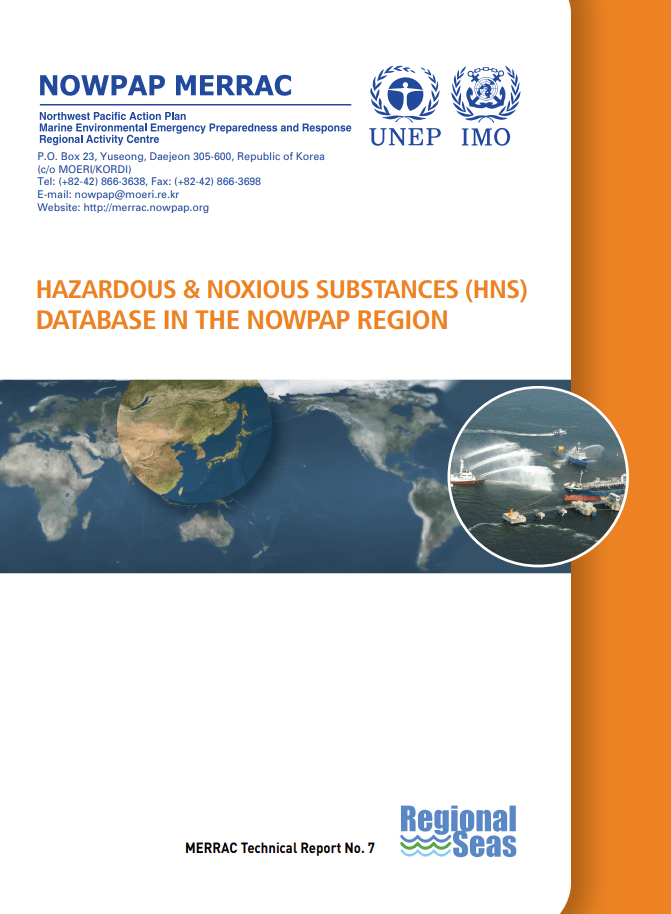
Hazardous & noxious substances (HNS) database in the NOWPAP region (2009). As a part of measures to prepare against marine incidents involving Hazardous and Noxious Substances (HNS) in the NOWPAP region, this report, developed by an Expert Group nominated by MERRAC Focal Points was put together to look into an HNS database for the region.
Hazardous & noxious substances (HNS) response operation guideline (2009). This regional guideline aims to give general recommendations and provide information needed for proper decision making when responding to accidents in the marine environment involving chemicals and dangerous goods. The guideline is based on existing regional (HELCOM, REMPEC and Bonn Agreement) and national (NOWPAP member states) manuals and recommendations.
Minimum level of preparedness for response to oil spill in the NOWPAP region (2009). The purpose of this report, and of establishing a Minimum Level of Preparedness to Oil Spills in the NOWPAP Region in general, is to set forth key elements in essential preparedness and overall response capabilities, with the hope that identifying these elements will help mitigate the impacts of future oil spills in the NOWPAP region.
NOWPAP regional oil spill prediction model (2009). In order to review and analyze the existing Oil Spill Prediction Models (OSPMs) of NOWPAP Member states, information on the existing OSPMs were collected by national experts from the NOWPAP Members Expert Group. After collection of information, analysis and comparison of the OSPMs was carried out. The collected information and results of the review and analyses are summarized in this report.
Guideline for the Use of Dispersants (2005). This report aims to give an overview of the international use of dispersants, as a basis for the development of NOWPAP Guidelines on Oil Spill Dispersants that can be used during joint response operations within the framework of the NOWPAP Regional Oil Spill Contingency Plan.
Guideline for Shoreline Clean-up (2005). This guideline has been developed to provide practical suggestions for the treatment or cleanup of oiled shorelines by expert groups, taking into account the reference materials and methods used in the NOWPAP region. In applying the information presented in these guidelines, it should be recognized that each spill is different, and a wide range of factors must be considered on a case-by-case basis.
Sensitivity Mapping (2005) NOWPAP MERRAC Technical Report No. 1. This document reviews the current situation on the development of environmental sensitivity index maps by NOWPAP Member states, and compares each of these developments to determine the next term’s short, mid-, and long-term activities in order to find an appropriate direction in which NOWPAP Members can proceed.
IMO – International Maritime Organization Guidelines on the Use of Dispersants for Combating Oil Pollution at Sea. (2024).
At its sixty-first session, the Marine Environment Protection Committee (MEPC) of IMO decided to review the IMO/UNEP Guidelines on oil spill dispersant application, 1995 edition to provide authorities, responders and the general public with pertinent information, documents and practical guidance.
Oil Spill Contingency Planning
ipieca Oil spill preparedness and response: an introduction (2019). This updated guidance offers an introductory overview of the broad topics of oil spill preparedness and response and provides signposting and hyperlinks to the full range of guidance materials, detailed reports and technical support documents in the Ipieca-IOGP oil spill series.
Australian Maritime Safety Authority (AMSA), Australia’s National Plan for Maritime Environmental Emergencies. The National Plan sets out national arrangements, policies and principles for responding to maritime emergencies. This is how federal, state and territory response capabilities work together.
ITOPF Technical Information Paper 16: Contingency planning for oil spills. This Technical Information Paper outlines the typical format and content of contingency plans for response to ship-source spills and highlights the key steps required for an effective plan.
Oil Spill Response
- Local Authorities Guide – What to do in the event of a spill?. October 2011. ARCOPOL Project.
- Operational guidelines on sunken and submerged oil assessment and removal techniques.
Technical Information Paper 1: Aerial observation of marine oil spills. 2011. ITOPF. London. English. - Technical Information Paper 3: Use of booms in oil pollution response. 2011. ITOPF. London. English.
- Technical Information Paper 5 – Use of skimmers in oil pollution response. 2011. ITOPF. London. English.
- Technical Information Paper 6 – Recognition of oil on shorelines. 2011. ITOPF. London. English.
- Technical Information Paper 7: Clean-up of oil from shorelines. 2011. ITOPF. London. English.
- Technical Information Paper 8: Use of sorbent materials in oil spill response. 2011. ITOPF. London. English.
- Guidelines dedicated to management of participation of sea professionals on response operations. October 2011. ARCOPOL Project.
- IMO/UNEP Guidance Manual on the Assessment & Restoration of Environmental Damage Following Marine Oil Spills. 2009. IMO/UNEP.
- Analysis of U.S. Oil Spillage. API Publication 356, August 2009. American Petroleum Institute (API).
- Response to Small Scale Pollution in Ports – Operational Guide. January 2007. CEDRE.
- Learning Guide on Understanding Black-Tides. July 2007. CEDRE.
EDUCATIONAL LINKS FOR THE OCEAN GOVERNANCE
- United Nations Convention on the Law of the Sea – UN
- Agreement on Marine Biodiversity of Areas Beyond National Jurisdiction – UN
- “High Seas Treaty” signatories – UN
- The Paris Agreement – UN
- Barcelona Statement – UNESCO
- An ocean of life: the UN Decade of Ocean Science for Sustainable Development – UNESCO
- Venice Declaration for Ocean Literacy in Action – UNESCO
- The SOS Ocean Manifesto – Paris meeting
- Declaration on the Sustainable Development Goals – UN, 2023
- Ocean governance summaries – World Bank
- The European Ocean Pact – European Commission
- Oceans and the law of the sea – UN General Assembly
- Protected Planet Report 2024 – UNEP-WCMC and IUCN
- The Antarctic Treaty and key documents – Secretariat of the Antarctic Treaty
- The Nairobi Convention – COP 11
- The Dubai Ocean Declaration – Nature
- The Cape Town Manifesto – IUCN and OceanHub Africa
- Area-based Management Tools in Areas Beyond National Jurisdiction – IUCN
- State of the Climate 2024 – World Meteorological Organization
- Ambition, Action, Impact: the Ocean Decade Pathway to 2030 – IOC
 SaveOCEAN