Can We Make a Change and Save the Ocean?
Blog posts
The Ocean Is Sending Clear Signals. Are We Listening?
What if the ocean is not collapsing but quietly recalibrating in ways we don’t fully understand yet? What if the warning signs aren’t dramatic headlines, but subtle shifts happening beneath the surface? The newly released Ressursoversikt 2026 (Rapport fra havforskningen 2026-7) from Havforskningsinstituttet offers one of the clearest scientific snapshots of Norway’s…

3 facts about fisheries and resource management as a turning point in 2026
In early 2026, three very different policy moves came into force across the UK and Europe. On the surface, they look technical. Administrative, even. But together, they tell a much bigger story about where ocean governance is heading and where it still risks falling short. From digital traceability rules to offshore fishing…

Stronger frameworks. Clearer accountability. Statutory targets.
The latest news about the UK’s Revised Environmental Improvement Plan (EIP25) and Scotland’s Natural Environment (Scotland) Bill signal something important:nature recovery is finally being treated as core national infrastructure, not a side issue. Revised Environmental Improvement Plan (EIP25) The UK’s Revised Environmental Improvement Plan (EIP25): what it means for the ocean —…
Davos Day 1 wasn’t about “dialogue.” It was about operating systems
Davos 2026 opened with a deliberate signal: A Spirit of Dialogue wasn’t introduced through policy language, but through an opening concert framed as “many voices” creating a whole — paired with an AI-generated visual installation responding live to the music. That choice matters. It tells you what leaders think they need most…
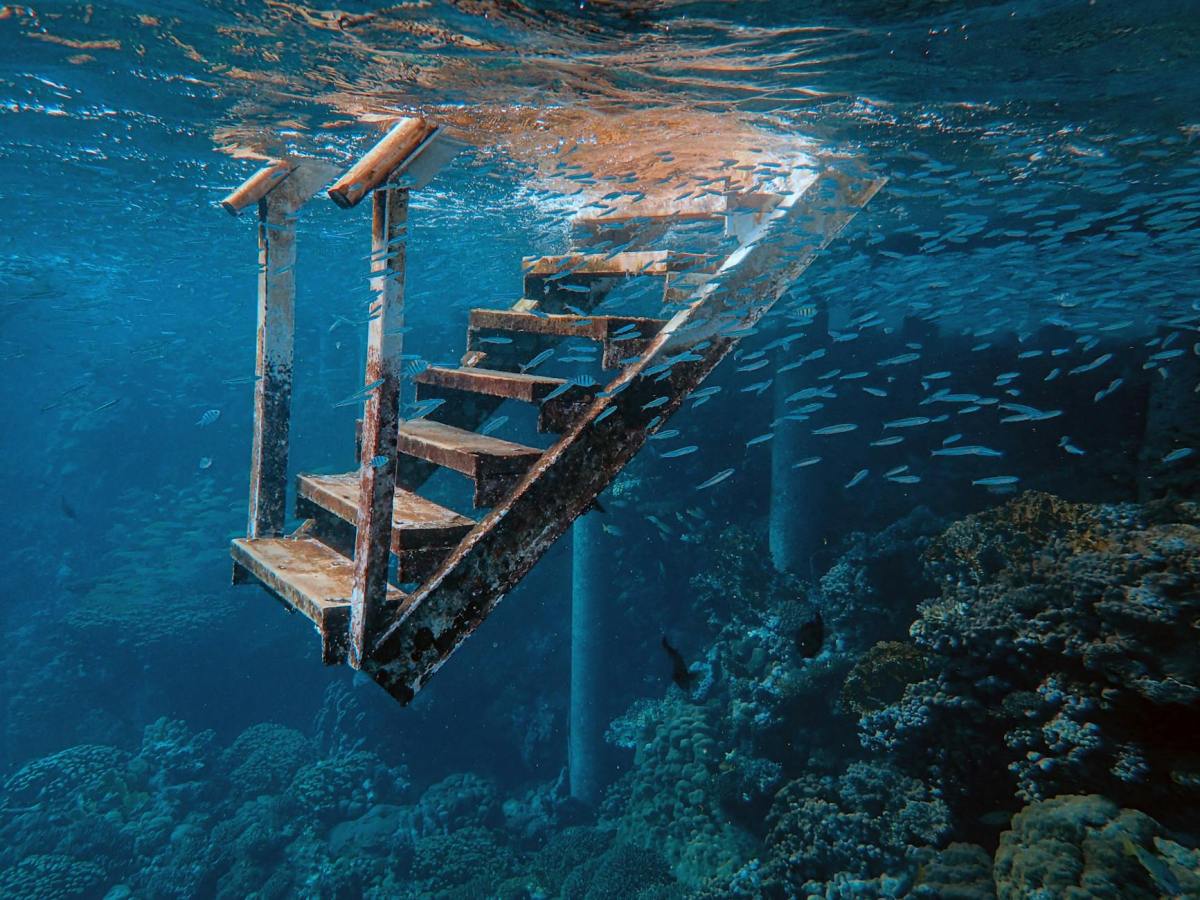
Water isn’t the “next climate issue” it’s the operating system everything else runs on.
in Davos this January, the World Economic Forum is threading that message through its Annual Meeting with something it’s calling “Blue Davos”: a concentrated push to put the entire water cycle (ocean + freshwater + atmosphere) at the center of global decision-making. What “Blue Davos” is really doing WEF’s “Blue Davos” framing…
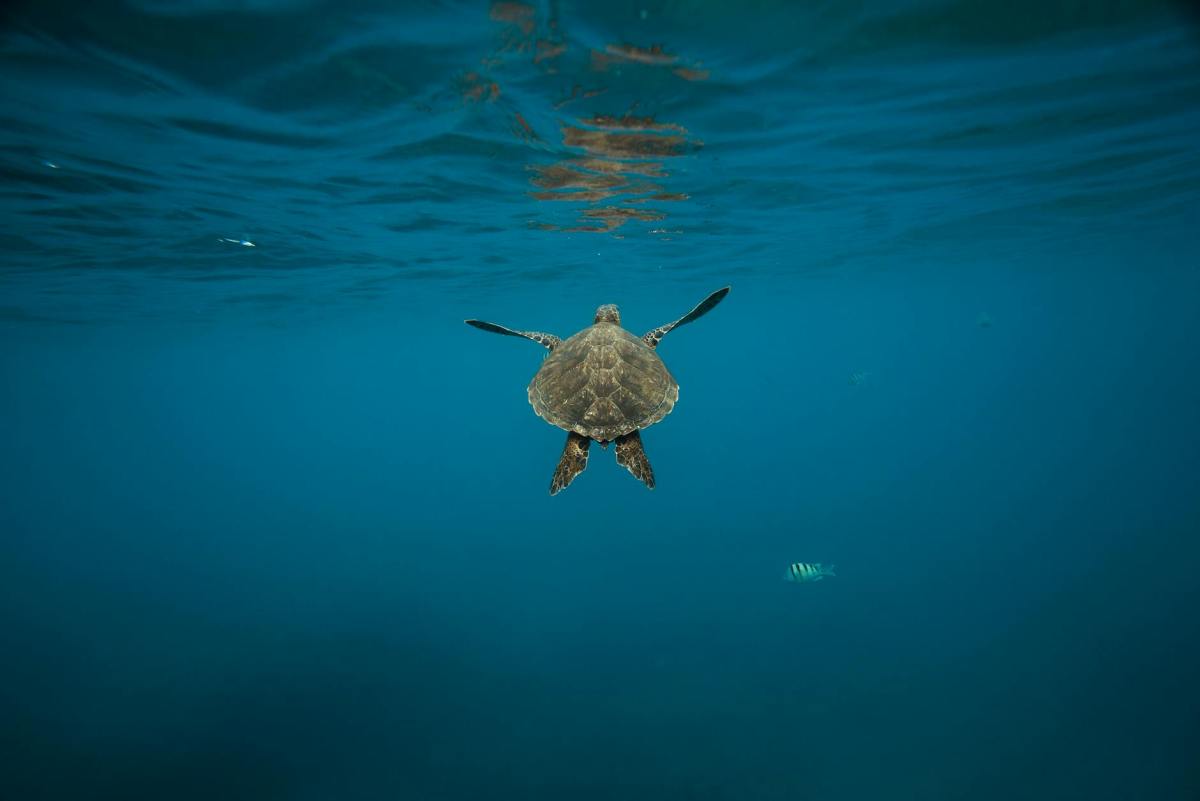
The BBNJ Treaty Just Took Effect. Here’s What the Celebration Is Missing
January 17, 2026 marks the day the BBNJ Agreement ( officially takes effect. While environmental groups celebrate this “historic” ocean protection treaty, the more interesting story lies in what’s not being discussed: the fundamental tensions that could make this agreement either meaningless or genuinely transformative. The Reality Behind the Celebration The high…
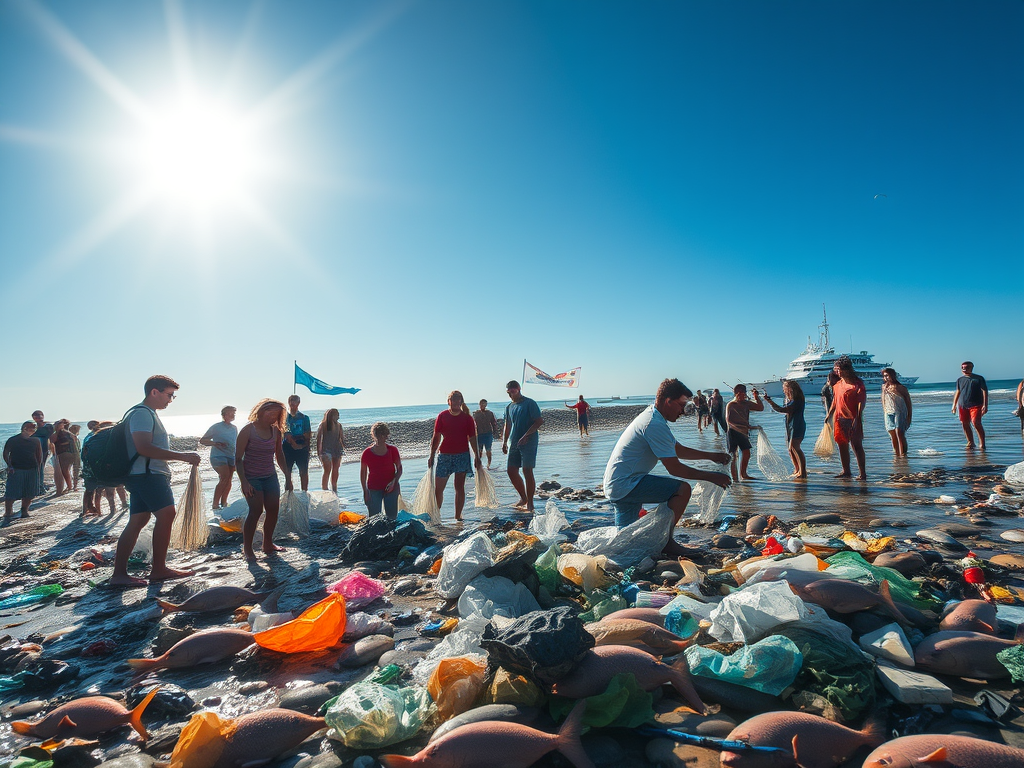
Is the Tide Turning? The State of Ocean Pollution at end of 2025
As we navigate through 2025, the question everyone at SAVEOCEAN is asking is simple: Is it finally getting better? If you look closer, past the headlines of doom, you will see something else. You will see movement. You will see resilience. For the first time in decades, it feels like the relentless…

What are 10 principles of sustainability for the ocean?
Most “ocean sustainability” talk fails for one reason: It’s inspirational… but not operational. We’ve all seen the beautiful drone shots of the deep blue and the “Save the Seas” hashtags. But let’s be honest: “Ocean Sustainability” has become a vibe, not a strategy. In boardroom after boardroom, we see “ambition” that disappears…

How can we save the ocean?
The ocean doesn’t need our admiration. It needs our follow-through. Here’s the part most people don’t realize: The ocean has been quietly buffering the damage for us. That’s the trade. The ocean protects us… and pays the price. So when someone asks, “How can we save the ocean?” I don’t start with…

Why early warning systems need blue hearts, not just grey boxes
We treat the ocean mainly as a source of hazards to be dodged, not as a living system that can either buffer us or break us. SaveOCEAN exists to challenge that. Protecting and monitoring the ocean is not a nice-to-have add-on to early warning. It is early warning. The new UNDRR report…
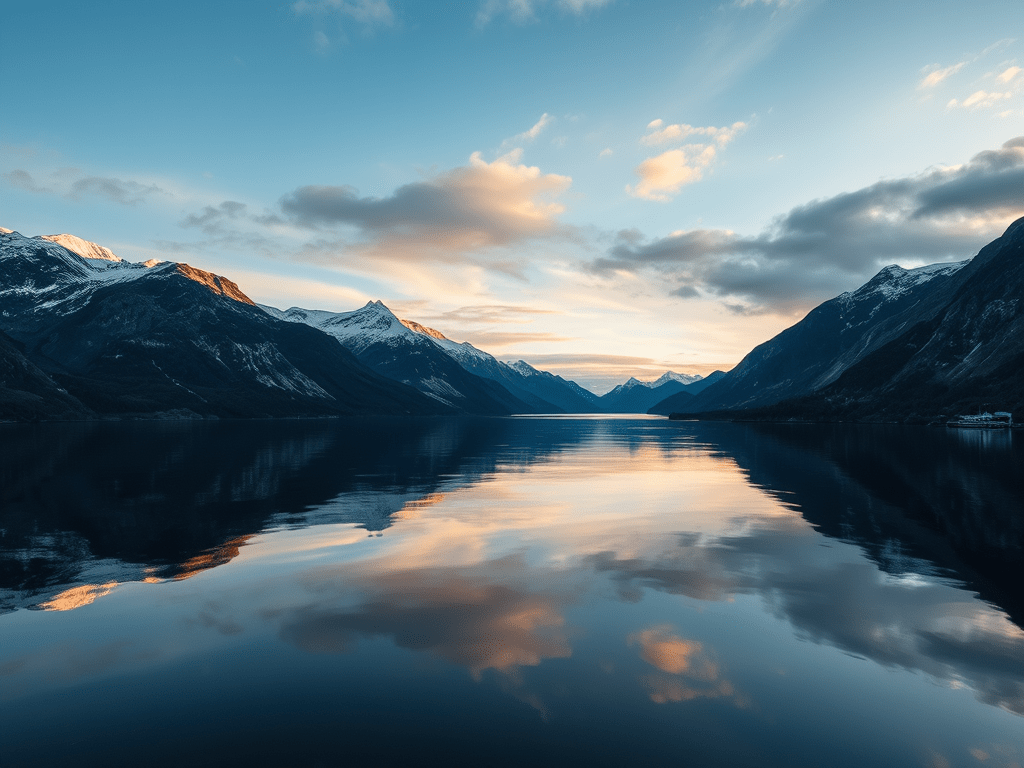
Lessons from the north
There is a specific kind of silence you find in the North. Standing on the edge of a Norwegian fjord, the water looks like black glass—ancient, impenetrable, and indifferent to us. But if you look closer, the silence is a trick. Below the surface and just over the horizon, that water is…

10,000 Ships for the Ocean: How the World’s Fleets Can Help Save the Sea
When you picture ocean science, you might imagine research vessels and high-tech buoys. But the next big leap in understanding our changing seas may come from an unexpected source: the commercial ships that already cross our oceans every day. At the Third United Nations Ocean Conference (UNOC3) in Nice, a new initiative…
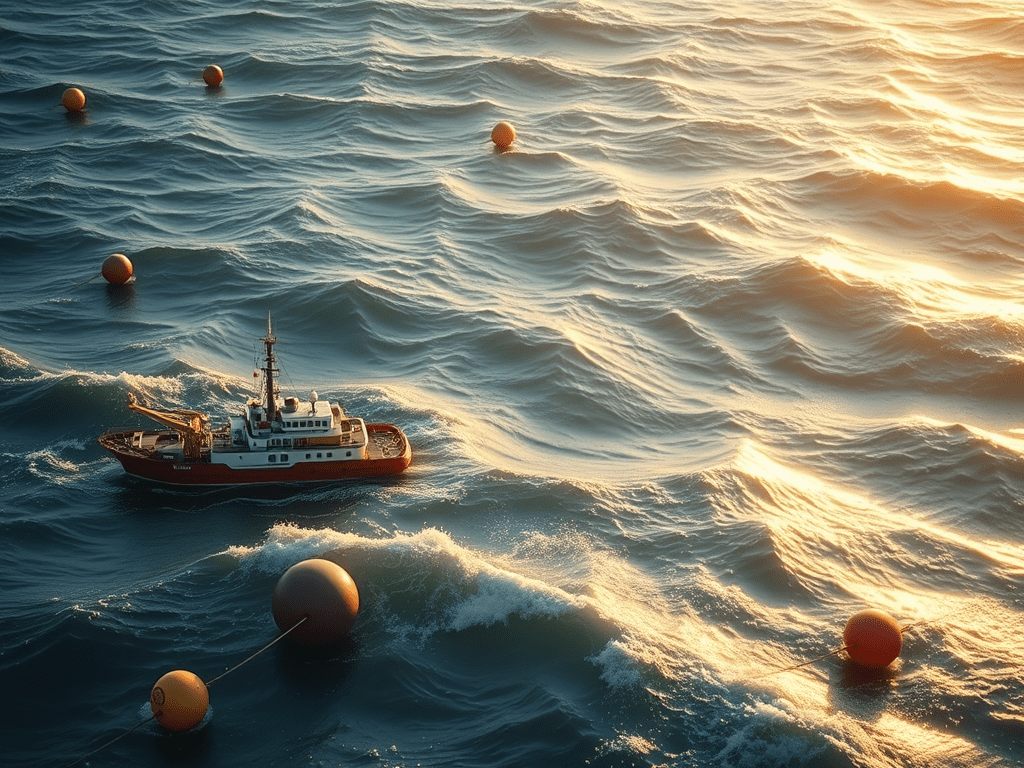
The World’s Ocean Eyes Are Failing – How SaveOCEAN Can Turn Warning into Action
The Global Ocean Observing System (GOOS) 2025 Status Report confirms that the foundational infrastructure for understanding the ocean is both vital and critically vulnerable. GOOS is calling for a new economic mindset: treat ocean observing as shared global critical infrastructure needing long-term, coordinated, multi-actor investment (governments + private sector). There is a…

The Future Is Being Designed. Summary of Dubai Future Forum and Why the Future Needs the Ocean
The Dubai Future Forum, Day 1 made one thing very clear: If the ocean isn’t in those blueprints, it gets treated as scenery, not infrastructure.Our job at SaveOCEAN is to make sure the ocean is in the room whenever the future is being planned. 1. A new scoreboard for countries: “national cognitive…
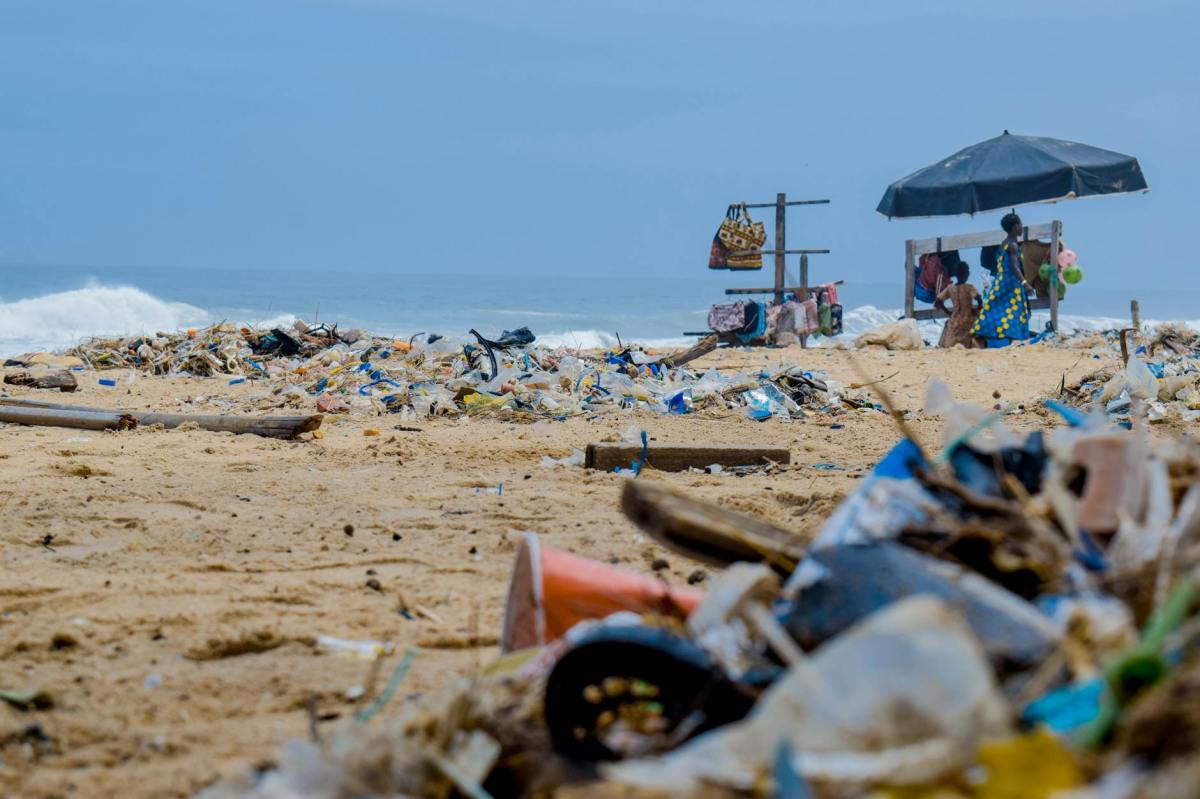
From Patchwork to Plan: Why Integrated Monitoring Are the Only Path to a Litter-Free Sea
Summary of findings which you may have missed based on the report: Marine litter in Europe: An integrated assessment from source to sea (published 2023). When you skim a big official report about marine litter, it can feel neutral and technical—lots of graphs, indicators, and acronyms. But underneath that calm surface there’s…
Charting a Sustainable Ocean Future: Why The New Ocean Plan Demands Digital Engagement
Deep-dive inspired by the IOC–UNESCO & Ocean Panel “Handbook on Sustainable Ocean Plans” Why this moment matters At SaveOCEAN, we believe that saving the ocean starts with understanding it. For too long, ocean management has been a fragmented, reactive, and often sector-specific. But the ocean doesn’t respect bureaucratic boundaries. It operates as…
“Tides of Adaptation”: What Shellfish Farmers Are Telling Us About Ocean Acidification
Ocean Acidification (OA) presents a clear and present danger to marine calcifies, especially the globally vital shellfish aquaculture industry. A recent study documenting the perceptions and adaptive strategies of Japanese commercial oyster farmers—a key component of global seafood production—offers critical insights, particularly when compared to the post-crisis experience of U.S. West Coast…
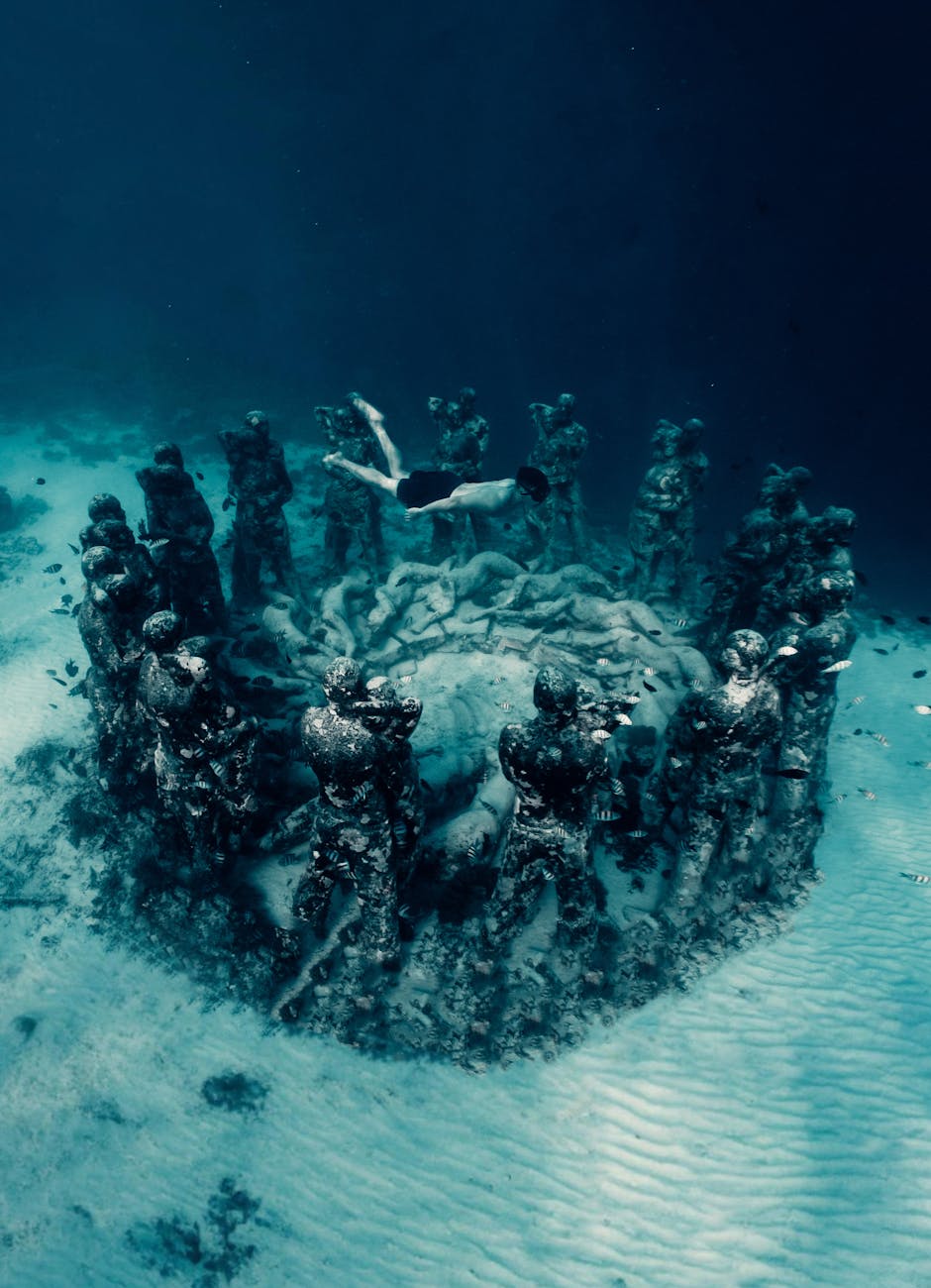
Save the Deep: Why “Plan B” Was Never an Option
The race for critical minerals is real. So are the risks of treating the abyss as a shortcut. As governments debate whether—and how—to mine polymetallic nodules thousands of meters below the surface, one principle keeps surfacing: pause and prove safety first. In 2025, the International Seabed Authority (ISA) again negotiated exploitation rules…
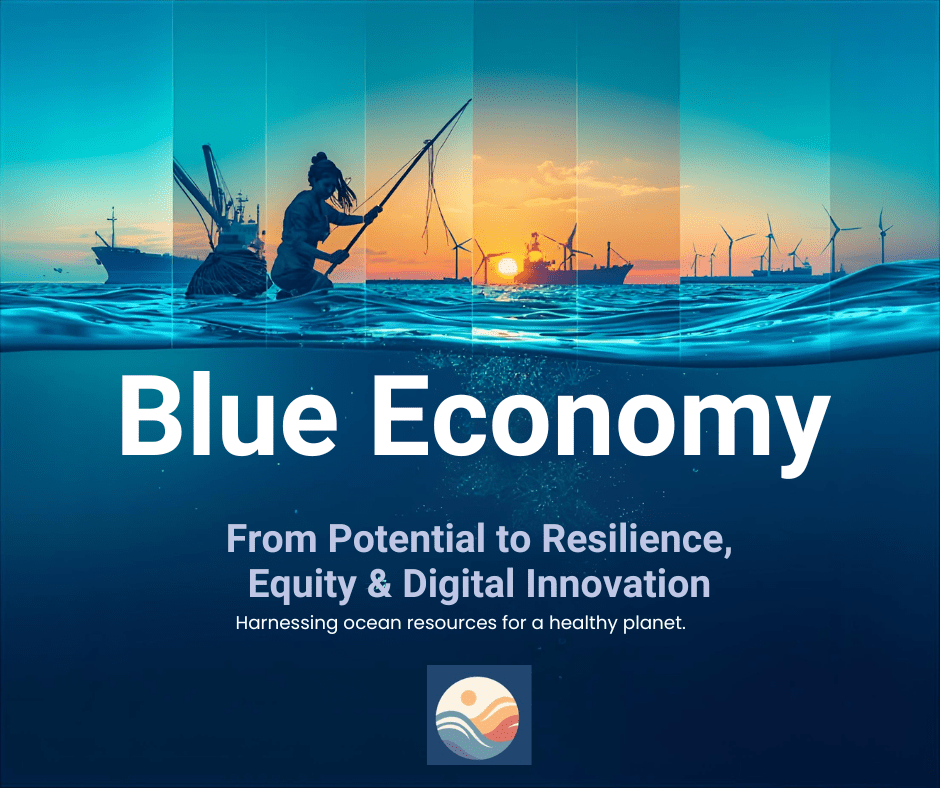
From Habitat Recovery to Investable Oceans: What 2025 Taught Us About the Blue Economy
The concept of the Blue Economy, defined as the sustainable use of ocean resources for economic growth, improved livelihoods, and ocean ecosystem health, has evolved significantly characterized by a critical shift: moving from merely recognizing the ocean’s economic potential to prioritizing its resilience, equity, and digitalization. The challenge is to ensure that…
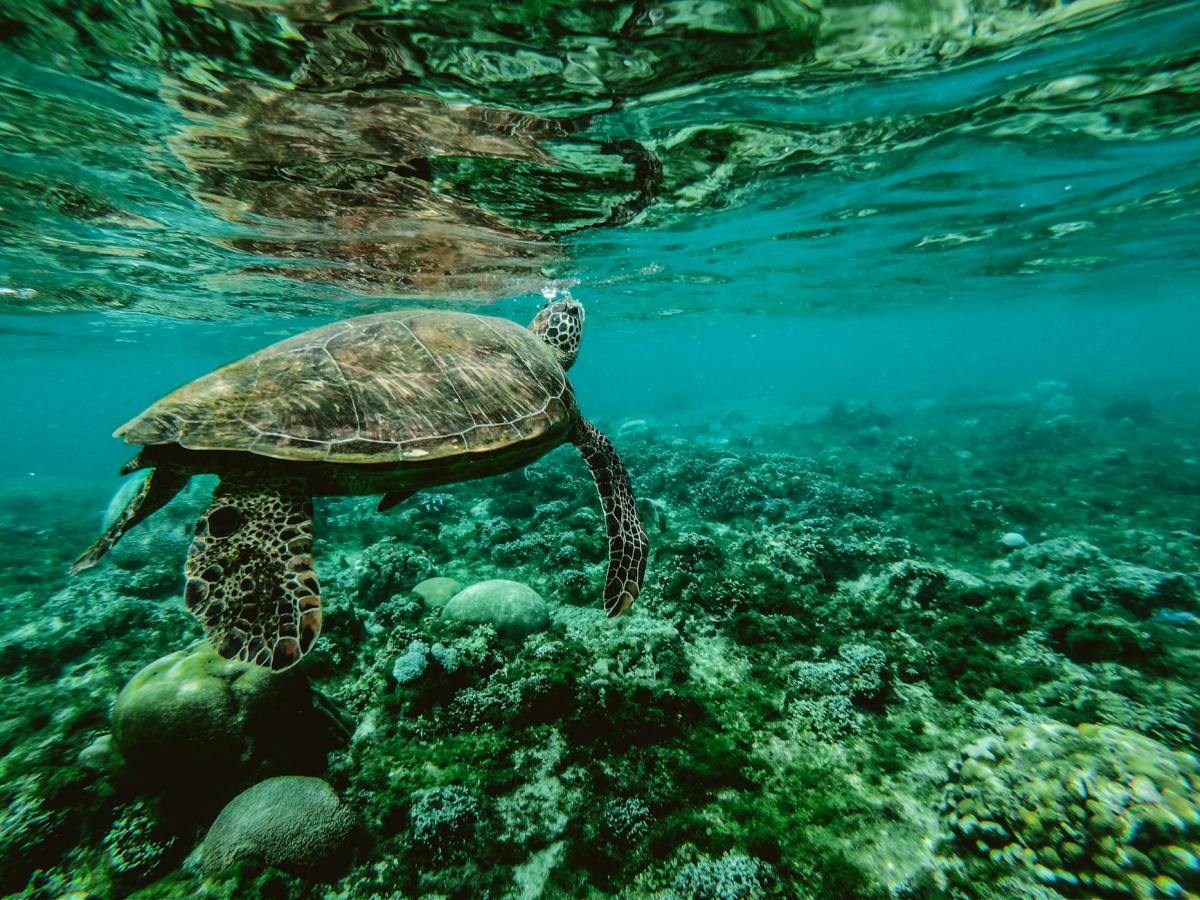
Seaweeds at a Crossroads in 2025: Heat, Haze, and Hope
Seaweed forests, kelp canopies and rocky-shore algal beds, are the green engines of our coasts. The latest research thread is clear: climate change is reshaping who thrives, who fades, and how entire shorelines function. But it also maps out where resilience lives and how we can scale it. What’s changing (and how…

The Day the Sea Rolled Our Trash Back
By late afternoon the beach was breathing—slow, foamy exhalations on a September tide. A boy ran ahead of his mother, chasing something he’d never seen before: fist-sized, straw-brown spheres with wiry fibers, like tiny tumbleweeds left by a wandering desert. He picked one up and froze. In the tight weave of the…
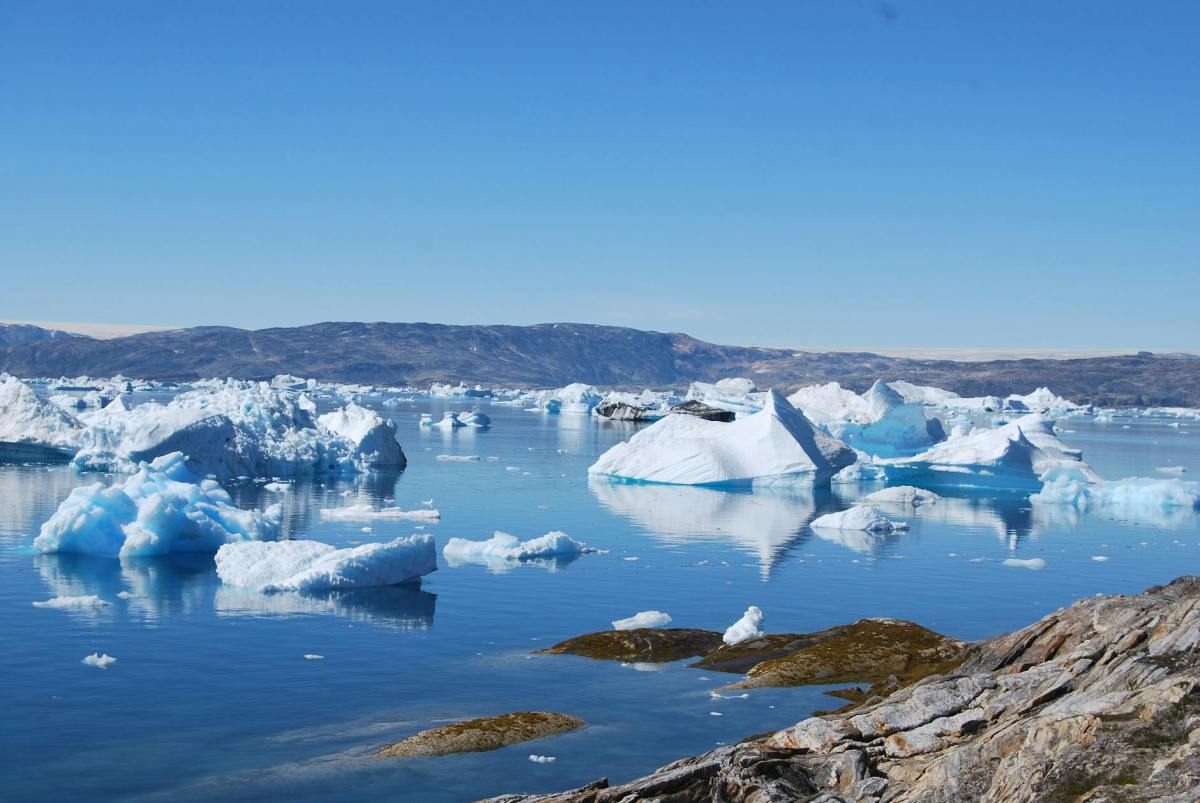
Edges of Ice, Edges of Time: A SaveOcean Call to Action
Some stories are written in ink; ours is traced in meltwater. In just the past few months, the poles have delivered a set of hard, unzippable facts. On September 17, 2025, Antarctic sea ice likely hit its winter maximum of 17.81 million km²—the third lowest in 47 years of satellite records. Earlier…
A New Report Quantifies the Staggering Cost of Ignoring Our Planet
The alarm bells are no longer distant; they are ringing in the boardrooms of the world’s largest companies. The World Economic Forum, in collaboration with Accenture, has released a sobering report, “Business on the Edge: Building Industry Resilience to Climate Hazards,” which shatters the illusion that the climate crisis is a future…
Polar Geoengineering Concepts 2025 – What the New Science Says
When the ice moves, the world moves. A new lead article in Frontiers in Science takes a hard look at five much-publicized polar geoengineering ideas—and comes back with a clear message: they don’t pass scientific, environmental, ethical, or governance muster for the coming decades. Meanwhile, the Arctic has been warming ~3× faster…
How many households rely on reefs for food, work, or safety?
When coastal communities speak, we should listen—and publish receipts. This new NOAA report finally puts numbers on it. Fresh data from NOAA’s National Coral Reef Monitoring Program (NCRMP) has released the second round of socioeconomic findings for the Commonwealth of the Northern Mariana Islands (CNMI), based on a representative, in-person household survey…
Conjunctive Water Management: Turning Storms into Coastal Protection
Your city has a hidden water battery. 90% of people don’t know it exists. 👀 Most cities treat rivers and aquifers like strangers. In wet months we rush stormwater out to sea; in dry months we over-pump wells and watch saltwater creep inland. Conjunctive Water Management (CWM) flips that script by managing…
The Blueprint for Blue: Major Strides in Marine Conservation in Aug-Sep 2025
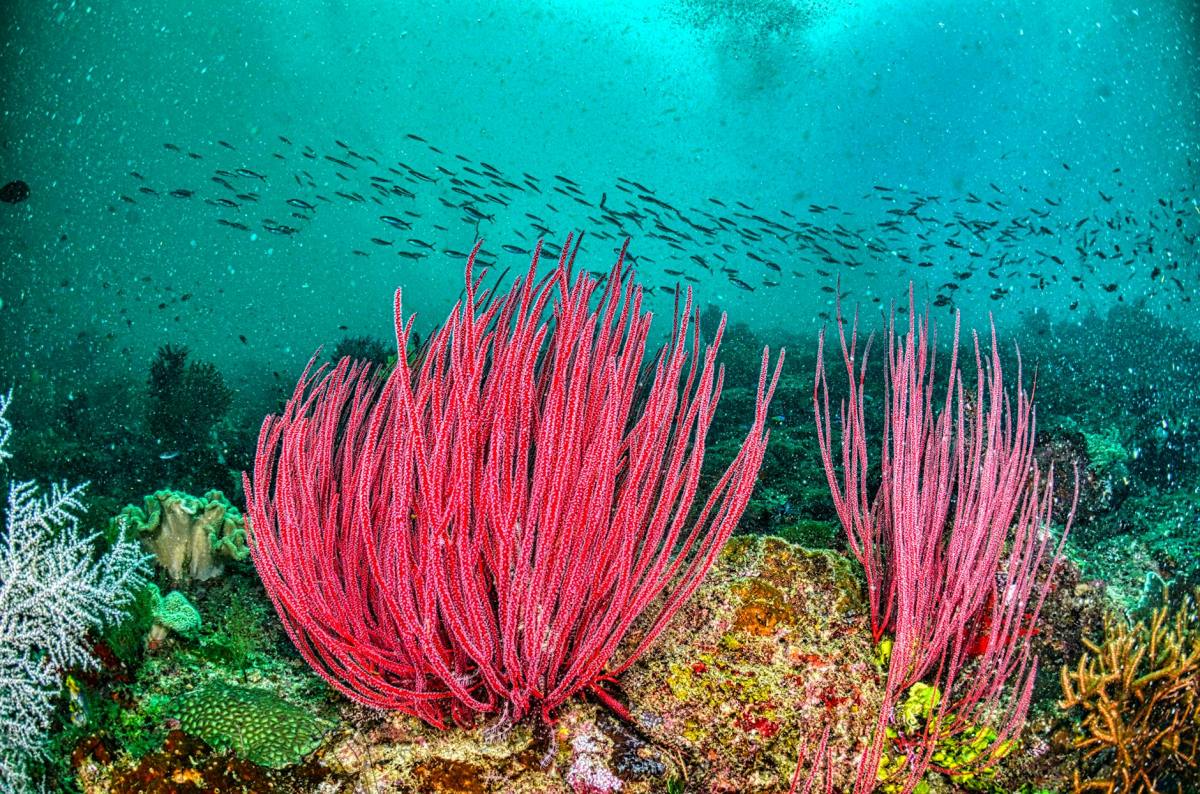
The months of August and September 2025 have been marked by significant progress in international policy and technological innovation for ocean conservation. Key events and outcomes focused on a global push for a more sustainable “blue economy” and addressing the interconnected crises of pollution, climate change, and biodiversity loss. 1. Global Plastic…

Ocean Acidification 2025: 8 Facts You Haven’t Seen
Ocean acidification (OA) is often called the “evil twin” of climate change a hidden but accelerating crisis. This article focusses on what the newest science says about ocean acidification (OA)—what it is, why it’s happening, and what recent studies (2025) reveal across very different “use cases.” Ocean Acidification The ocean absorbs CO₂…
Understanding Antarctica’s Changing Ice: What It Means for the World
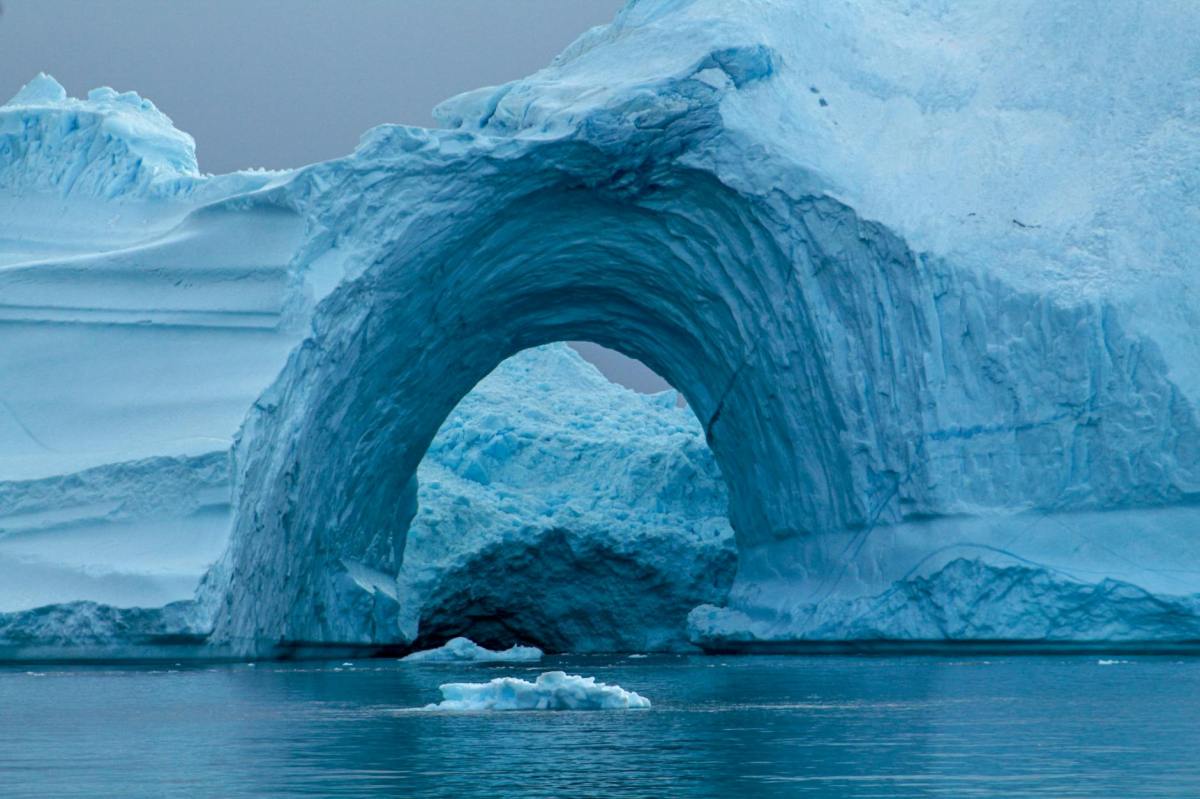
Antarctica used to be the quiet end of the world. Not anymore. An new article explainer lays out a clear message: sea ice, ice shelves, ice sheets, and deep ocean currents around Antarctica are all shifting at once — and together they add up to a global story we’ll all feel. Why…
4 Facts Reshaping 2025 Fisheries in Norway
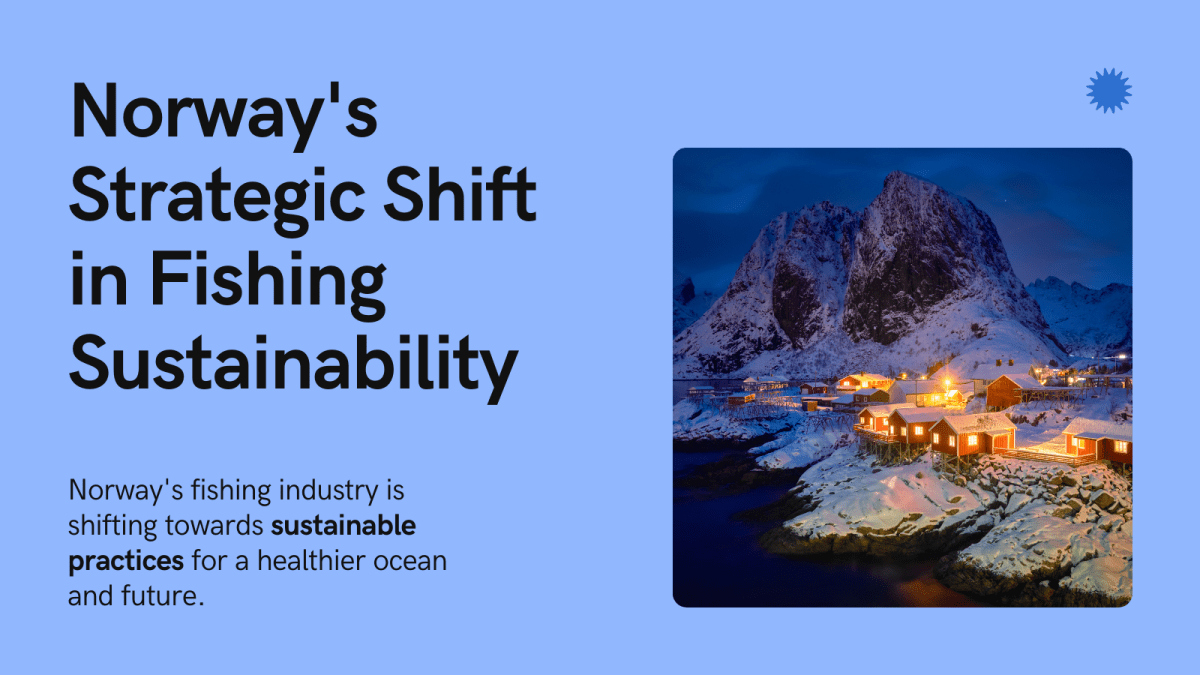
Norway stands as a prominent global seafood producer, with its fishing industry playing a vital role in both national economy and international markets. Historically, industrial fishing methods, particularly trawling and dredging, have been used to increase Norway’s catch volumes. These techniques, while highly efficient in terms of fish caught per unit of…
Something went wrong. Please refresh the page and/or try again.
 SaveOCEAN