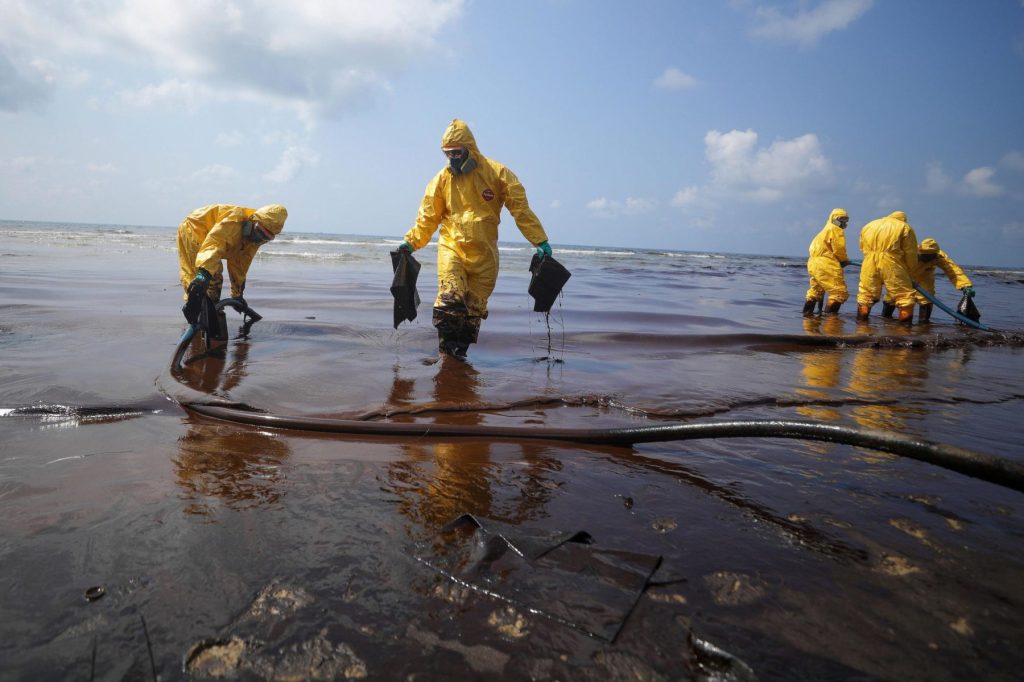
In the age of accelerating environmental change, our ability to respond to marine disasters like oil spills hinges on the fusion of earth-based science and space-based technology. One powerful example of this integration is the growing collaboration between the National Oceanic and Atmospheric Administration (NOAA) and the United Nations Platform for Space-based Information for Disaster Management and Emergency Response (UN-SPIDER).
🛢️ What’s ADIOS?
At the heart of NOAA’s oil spill response arsenal is the ADIOS (Automated Data Inquiry for Oil Spills) Oil Database — a dynamic tool that provides essential data on the physical and chemical properties of over 1,000 crude oils and refined products.
This model allows responders to predict how oil behaves in marine environments — how it spreads, evaporates, emulsifies, or disperses — making it an indispensable tool for planning, preparedness, and emergency response.
Read more about ADIOS in another SaveOCEAN article: : Black tide, smart tech tech: inside the digital defense
🚀 What is UN-SPIDER?
Managed by the United Nations Office for Outer Space Affairs (UNOOSA), the UN-SPIDER Knowledge Portal is a global platform designed to bridge the gap between those who produce space-based data and those who need it for disaster management. It promotes the use of satellite technologies across the entire disaster cycle: mitigation, preparedness, response, and recovery.
🔗 The Link: Earth-Based Expertise Meets Space-Based Insight
This is where the connection becomes powerful:
- 🌐 The ADIOS Oil Database is now discoverable through the UN-SPIDER Knowledge Portal — broadening its reach beyond U.S. agencies to an international community of environmental responders and policy makers.
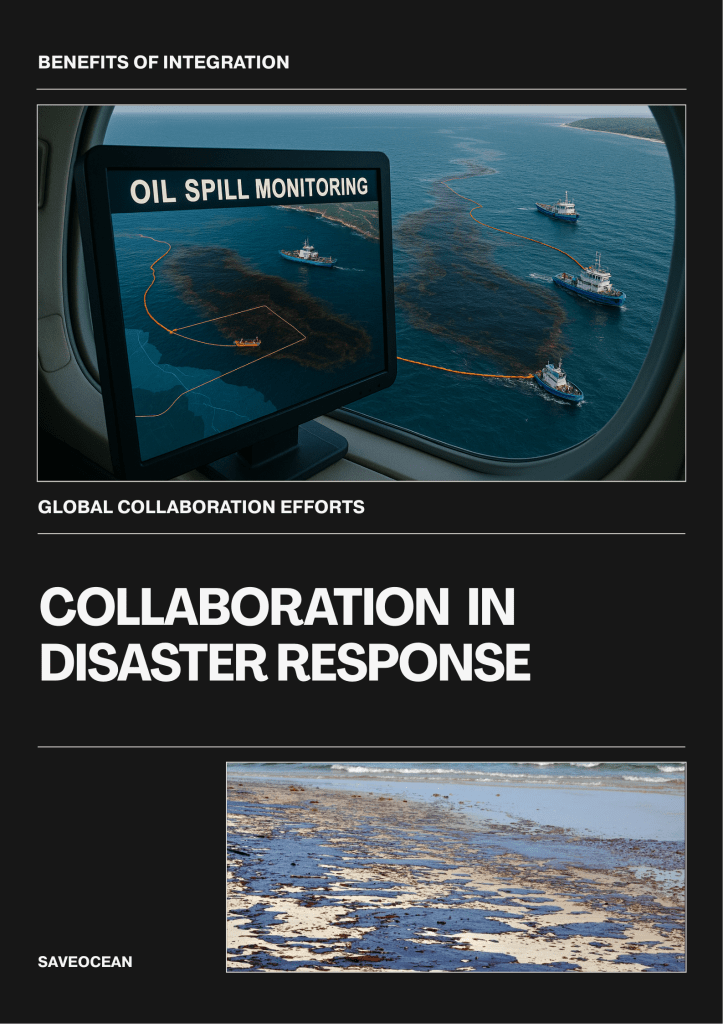
- 🛰️ Space-based information — like satellite imagery, ocean color data, or Synthetic Aperture Radar (SAR) — can detect and track oil spills in real time. When used alongside ADIOS, it gives responders both a snapshot of where the spill is now, and a forecast of where it’s going and how it will evolve.
- 💡 This integration creates a more holistic, data-rich response strategy, combining real-time detection with predictive modeling.
🌊 Global Impact & SDG 14 Alignment
This partnership directly supports Sustainable Development Goal 14 (Life Below Water) and the 2030 Agenda, especially targets:
- 14.1: Prevent and significantly reduce marine pollution of all kinds, including from oil spills.
- 14.a: Increase scientific knowledge and transfer marine technology to improve ocean health.
By expanding the accessibility of NOAA’s tools through UN-SPIDER, nations without their own high-end modeling infrastructure can still benefit from world-class oil spill forecasting capabilities. This is critical for small island nations, developing coastal states, and high-risk maritime zones.
📈 Key Takeaways
✅ Accessibility: ADIOS data, hosted on an international platform, empowers a broader community.
✅ Integrated Approaches: Combining satellite detection with oil weathering prediction creates smarter, faster responses.
✅ Global Knowledge Sharing: This partnership promotes best practices and capacity building across regions.
✅ Disaster Resilience: The synergy supports more informed and proactive responses, reducing ecological and economic damage.
🧭 Why This Matters
In a world where a single oil spill can devastate ecosystems for decades, we need interdisciplinary and international solutions. The collaboration between NOAA and UN-SPIDER shows how we can harness both Earth and space sciences to better protect our oceans — and each other.
How SaveOCEAN is planning to help
At SaveOcean.net we believe have a unique opportunity to elevate, connect, and localize these efforts extending the real-world impact of these initiatives in powerful, tangible ways:
- Harnessing community power through citizen science
- Making real-time data accessible
- Public Awareness and Education
- A hub for real-time collaboration
- Curating knowledge and best practices
- Facilitate capacity-building programs by localizing technical materials.
- Serve as a catalyst for funding and innovation.
The platform can serve as a communication nexus in times of crisis and as a collaboration engine during preparedness and planning phases.

 SaveOCEAN
Leave a reply to Global Oil Spill Programs: Key Insights – SaveOCEAN Cancel reply