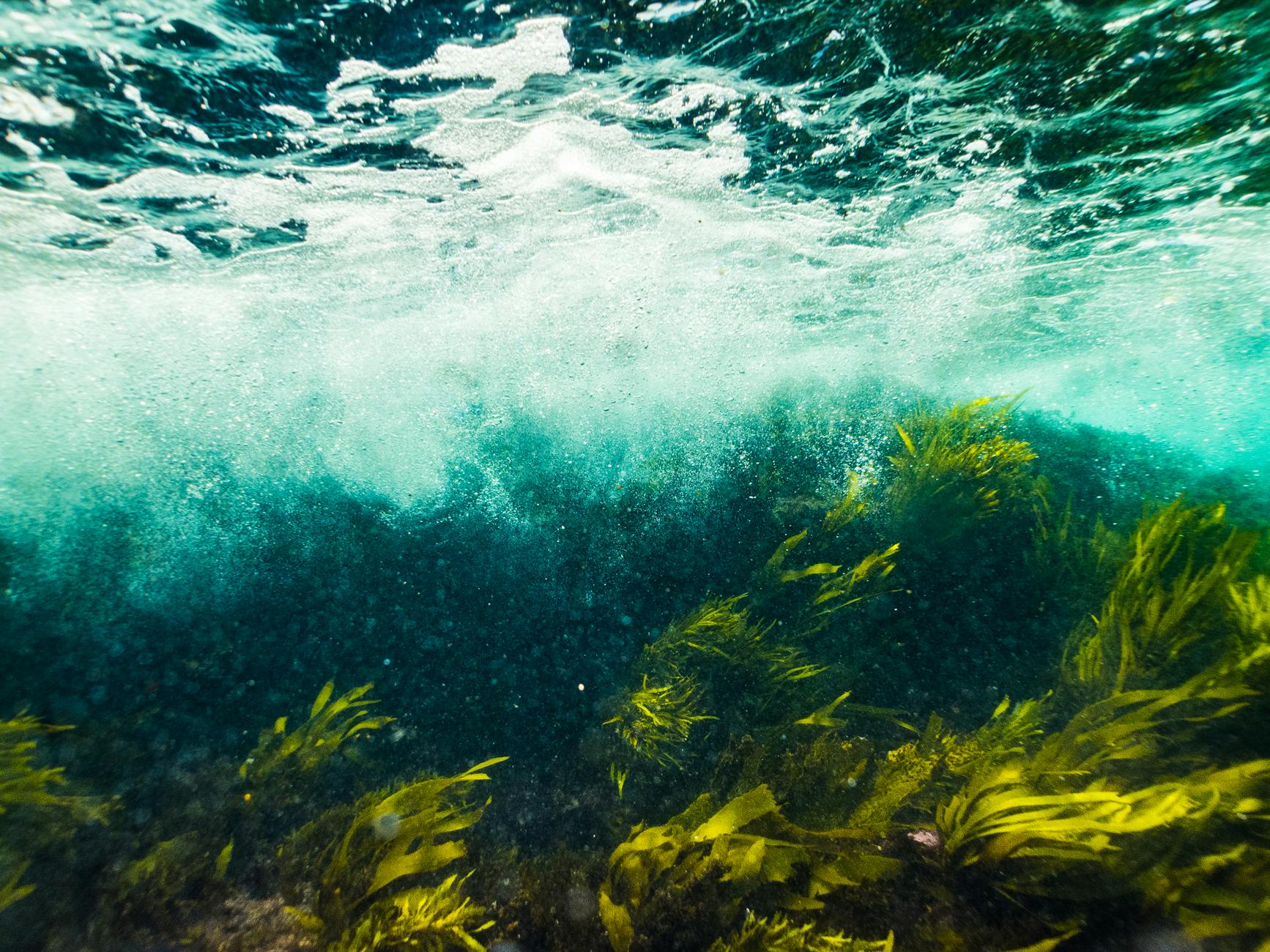
What if the solution to one of aquaculture’s biggest problems was already growing in our coastal waters?
Climate change is coming for our shellfish. Rising CO₂ is making our oceans more acidic, coastal waters are increasingly starved of oxygen, and the juvenile oysters, clams, and scallops that form the backbone of coastal seafood economies are paying the price — growing slower, building weaker shells, and dying younger.
But a new study published in Aquaculture (Gobler et al., 2026) out of Stony Brook University offers a remarkably elegant fix: grow seaweed alongside your bivalves.
And the results? Nothing short of dramatic.
The Science, Simply Put
Researchers co-cultured three commercially important North Atlantic bivalves — Eastern oysters (Crassostrea virginica), hard clams (Mercenaria mercenaria), and bay scallops (Argopecten irradians) — with two common seaweeds, Ulva and Gracilaria, in outdoor flow-through aquaculture tanks over two-week periods.
The outcome was clear across every experiment:
- 🦪 Oyster growth increased by 20–70%
- 🐚 Clam growth increased by 60–70%
- 🌊 Bay scallop growth increased by an extraordinary 130–140%
Both seaweeds performed similarly well. And the mechanism behind these gains gets to the heart of what’s threatening ocean health in the first place.
Seaweed as a Natural Climate Shield
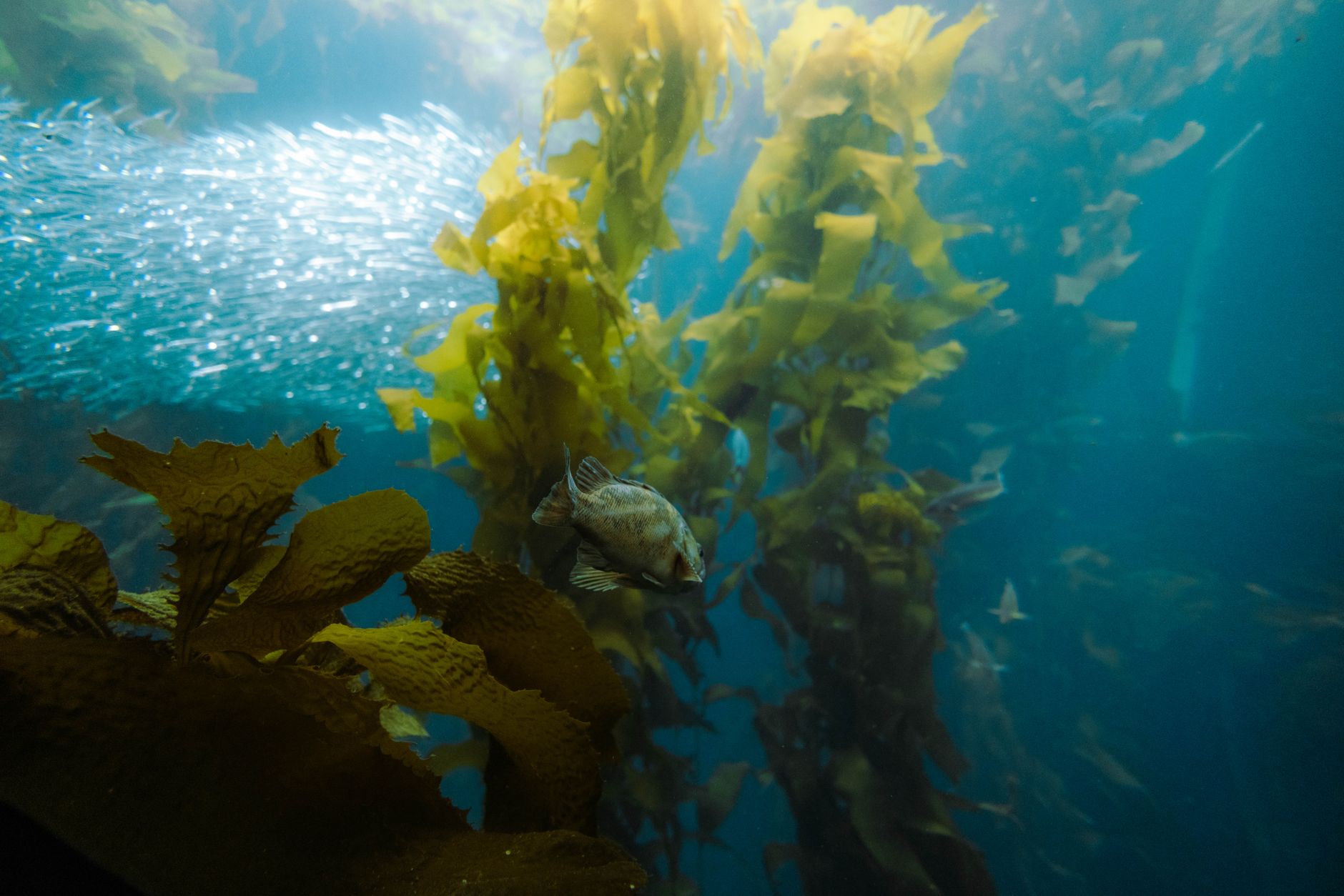
During the day, seaweeds photosynthesize — absorbing CO₂ and releasing oxygen. In the context of a bivalve tank, this means the water surrounding the shellfish becomes measurably healthier: higher pH, more dissolved oxygen, and critically, higher calcium carbonate saturation levels (the mineral bivalves need to build their shells).
Control bivalves in the study were regularly exposed to pH levels below 7.4 and dissolved oxygen below 3 mg/L conditions known to slow or even halt shellfish growth. Bivalves sharing their water with seaweed experienced a daily refuge of better chemistry, allowing them to spend their energy growing rather than just surviving.
Think of it as seaweed providing a daily reset — a window of healthy water conditions that gives shellfish the breathing room (quite literally) to thrive.
Why Scallops Responded Most Dramatically
Bay scallops are naturally adapted to oxygen-rich, low-CO₂ seagrass environments. When subjected to the kind of acidic, oxygen-depleted conditions increasingly common in coastal waters, they suffer more than clams or oysters. So when seaweed restores those favorable conditions, scallops respond with explosive growth — a clear signal that we’re dealing with a species that was being held back by environmental stress, not biological limits.
Beyond pH: Food, Diversity, and a Second Income Stream
The benefits of seaweed co-culture don’t stop at water chemistry. In some experiments, the presence of seaweed significantly increased suspended chlorophyll concentrations in the water — meaning the bivalves had access to more food and a more diverse diet, including nutritionally rich seaweed detritus high in essential fatty acids that phytoplankton alone can’t provide.
And of course, the seaweed itself is a harvestable, marketable product. Gracilaria alone accounts for over 66% of global agar production. Farmers who adopt integrated co-culture systems aren’t just growing faster shellfish — they’re growing a second crop, diversifying revenue, and actively improving the ecosystem their entire operation depends on.
A Real-World Solution for a Real Crisis
What makes this research especially compelling is how directly applicable it is. The flow-through seawater tables used in this study are identical to those already in use at shellfish hatcheries across the Atlantic coast. There is no exotic technology required. No massive infrastructure investment. Just the deliberate addition of seaweed to existing systems — seaweed that can be collected locally, grown affordably, and harvested on a rolling basis.
As coastal waters warm and acidify, and as juvenile bivalve mortality climbs, the window for inaction narrows. This study gives aquaculture farmers a concrete, evidence-backed tool to fight back.
The Bigger Picture
This is integrated multi-trophic aquaculture working exactly as its advocates have long hoped — not just reducing the waste footprint of seafood farming, but actively reversing environmental stressors and turning a profit doing it.
Seaweeds absorb excess nitrogen and phosphorus, suppress harmful algal blooms, contribute to carbon sequestration, and now, as this research confirms at scale, they dramatically accelerate the growth of co-cultured bivalves.
The ocean is not beyond saving. Sometimes, the answer is already in the water.