The Ocean Doesn’t Negotiate — But It Does Speak
On World Environment Day 2026, UNEP delivered a message that sounds like it was written for the ocean: “The planet doesn’t argue. It doesn’t negotiate. It sends signals.”
Rising seas. Bleached reefs. Warmer surface temperatures pushing fish migrations poleward. Microplastics accumulating in sediment layers faster than scientists can sample them. These are not predictions — they are dispatches from a planet already in motion.
The question UNEP poses this year is not whether change is coming. It’s how fast we respond and whether we’re measuring what matters.
At SaveOCEAN.net, we believe the answer begins in the water — and in the hands of the people who live and work beside it.
What World Environment Day 2026 Is Actually About
World Environment Day, observed every year on June 5, is the world’s largest platform for environmental public action. In 2026, hosted by the Republic of Azerbaijan in Baku, the global theme is Climate Action #NowForClimate.
But here’s what most coverage misses: the 2026 campaign is not just about awareness. It’s a call to generate, share, and act on real-world signals.
“Inspired by Nature. For Climate. For Our Future”
The ocean covers 71% of Earth’s surface. It absorbs more than 90% of the excess heat generated by greenhouse gas emissions. It drives weather systems, stores carbon, feeds billions, and regulates the very atmosphere we breathe. If you want to understand the climate, read the ocean first.
Why Ocean Organizations Are Missing the Moment
We analyzed what the major ocean conservation voices are publishing around World Environment Day 2026. What we found reveals a significant content and action gap:
- Generic “5 things you can do for World Environment Day” listicles
- Awareness campaigns with no measurable outcome
- Plastic pollution statistics without localized data
- Marine Protected Area advocacy that doesn’t connect to corporate reporting requirements
What’s missing
Citizen Science as Climate Infrastructure
Many conservation platforms do vital work. But their citizen engagement largely stops at beach cleanups and petition signatures. None of them offer a structured platform where coastal participants generate standardized, CSRD-ready environmental data that corporations can actually use for sustainability reporting.
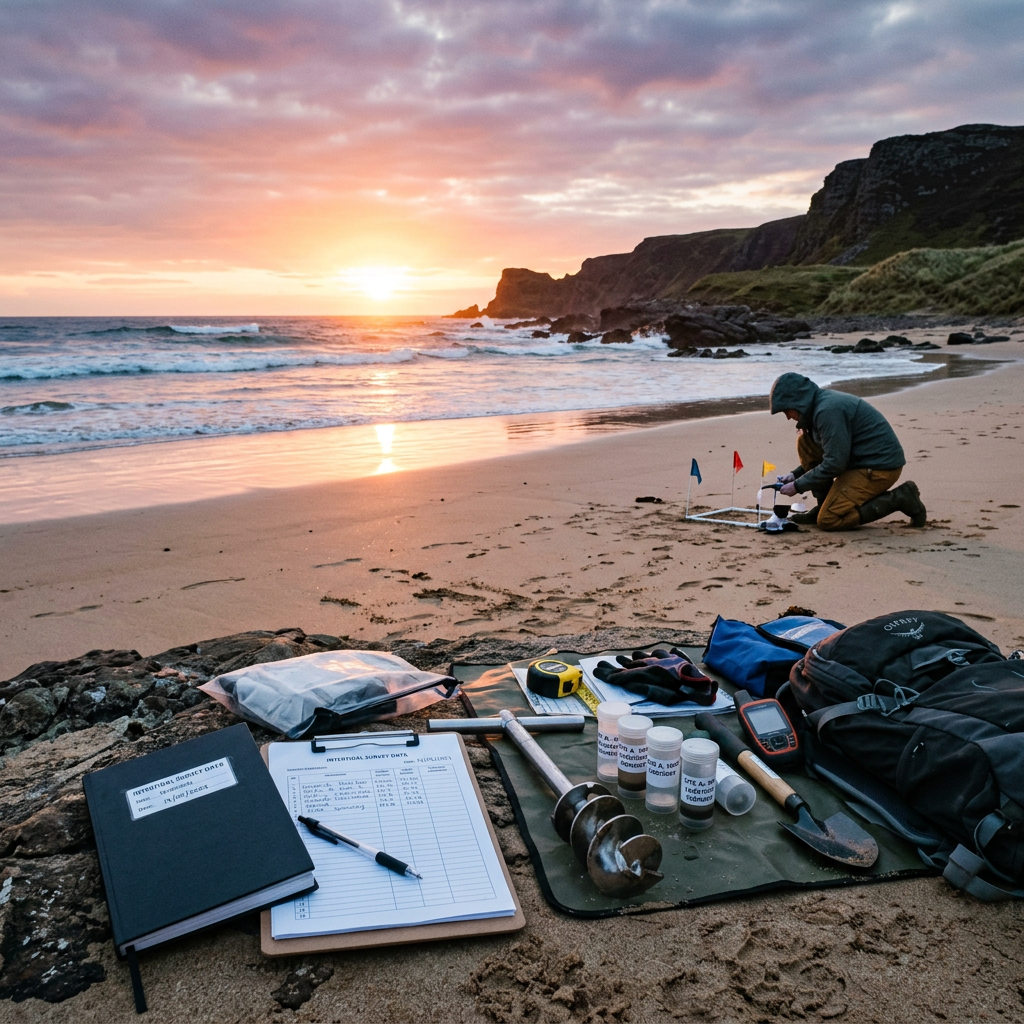
OceanQuest by SaveOCEAN.net is different. Our platform combines ocean science learning with real coastal missions that produce verifiable impact data. When you complete a mission — recording coastal health indicators, documenting plastic accumulation zones, or sampling biodiversity markers — that data enters a system designed to satisfy the requirements of the EU’s Corporate Sustainability Reporting Directive (CSRD).
This is not citizen science as a feel-good exercise. It’s citizen science as climate infrastructure.
CSRD Is Here, and the Ocean Is Underrepresented
Under ESRS E4 (the biodiversity and ecosystems standard within CSRD), EU companies must now report their material impacts on marine resources and biodiversity. The European Commission’s revised standards are expected to take full effect by summer 2026. Companies with 500+ employees are already in scope.
The problem? Credible, granular, real-time marine biodiversity data is extraordinarily scarce. Most CSRD auditors are working with satellite imagery and modeled estimates — not ground-truth observations from coastal zones.
SaveOCEAN’s OceanQuest platform generates exactly what auditors need. Companies operating near coastlines — fisheries, ports, tourism operators, energy developers — can now point to real-world ocean data as part of their CSRD disclosure.
The “Coastal Mission” Model: Action, Not Just Awareness
Most World Environment Day content tells people why they should care. OceanQuest tells people
- what to do,
- how to do it,
- what their data contributes to.
Each OceanQuest mission is:
- Linked to SDG 14 (Life Below Water) targets so participants see exactly how their contribution counts
- Documented on the World Environment Day global map — our Oslo, Norway mission site is live and growing

The Plastic-Climate Nexus
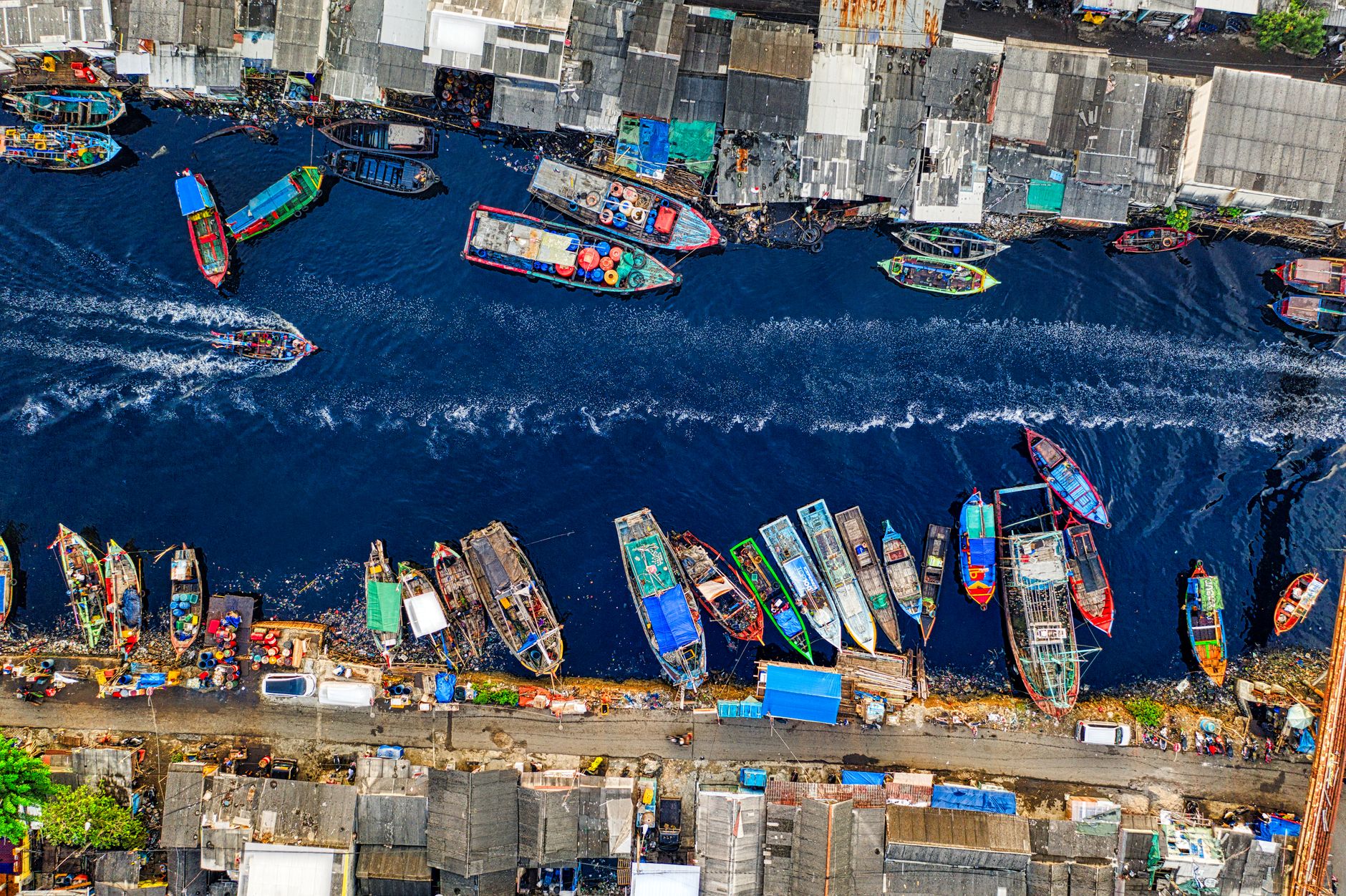
UNEP data is stark: plastic accounts for 85% of all marine litter. The equivalent of 2,000 garbage trucks’ worth of plastic enters aquatic ecosystems every single day. Without systemic change, plastic waste flowing into oceans will nearly triple by 2040.
What most coverage doesn’t say: plastic pollution and climate change are not separate crises. They are amplifying each other. Warmer oceans accelerate the breakdown of plastics into microplastics. Microplastics disrupt phytoplankton — the foundation of the marine carbon cycle. Compromised phytoplankton means less CO₂ absorbed. Less absorption means faster warming. Faster warming means more microplastics.
This feedback loop is one of the most underreported dimensions of ocean climate science.
How to Take Action This World Environment Day 2026
Here are three concrete steps you can take on June 5 — and beyond:
Step 1: Join SaveOCEAN Mission
Whether you’re near a coastline, a river mouth, or an inland water body, there is a mission designed for your location.
Step 2: Register Your Event on the World Environment Day Map
UNEP is tracking every climate action registered globally. If your organization, school, or community group is hosting a coastal cleanup, water quality survey, or ocean education event, add it to the official WED 2026 map →. OceanQuest missions qualify as registered #ClimateAction events.
Step 3: Share Your Data — Make It Count
Share your mission results on social with #NowForClimate #OceanQuest #BeatPlasticPollution — and tag us at @SaveOCEAN so we can amplify your contribution on the global WED map.
Why the Ocean Is the Climate Story of 2026
Azerbaijan, this year’s WED host, made a pointed choice in its national campaign framing: “Inspired by Nature.” Not inspired by policy. Not inspired by targets. Inspired by nature.
The Caspian Sea — the world’s largest enclosed water body — sits in Azerbaijan’s backyard, and it is in crisis. Water levels are declining at alarming rates. Marine reserves are under pressure. The region is a living case study for what happens when we stop reading the ocean’s signals in time.
The global ocean tells the same story at larger scale. We have the technology, the methodology, and — through OceanQuest — the community to start reading those signals systematically, publicly, and at a resolution that actually matters for policy.
World Environment Day 2026 is not a day for press releases. It’s a day to add your data point to the collective record.