The European Commission just released a Call for Evidence for one of the most ambitious water policy moves in years: Water sector – accelerating digitalisation for better management and sustainability, sitting at the very heart of the European Water Resilience Strategy.
On the surface, it’s a freshwater story. But read it carefully and it’s also an ocean story — one that connects directly to what we do at SaveOcean.
What the EU is proposing
Europe’s water management is fragmented. Municipalities, national authorities and EU bodies all operate different systems that can’t talk to each other. The result is waste, blind spots and an inability to respond quickly to floods, droughts or pollution events crossing borders.
The Commission wants to fix this through four strategic pillars:
AI and big data analytics
- using machine learning to process water datasets in real time, predict system failures before they happen, and preserve the expertise of retiring water management specialists through digital tools and digital twins.
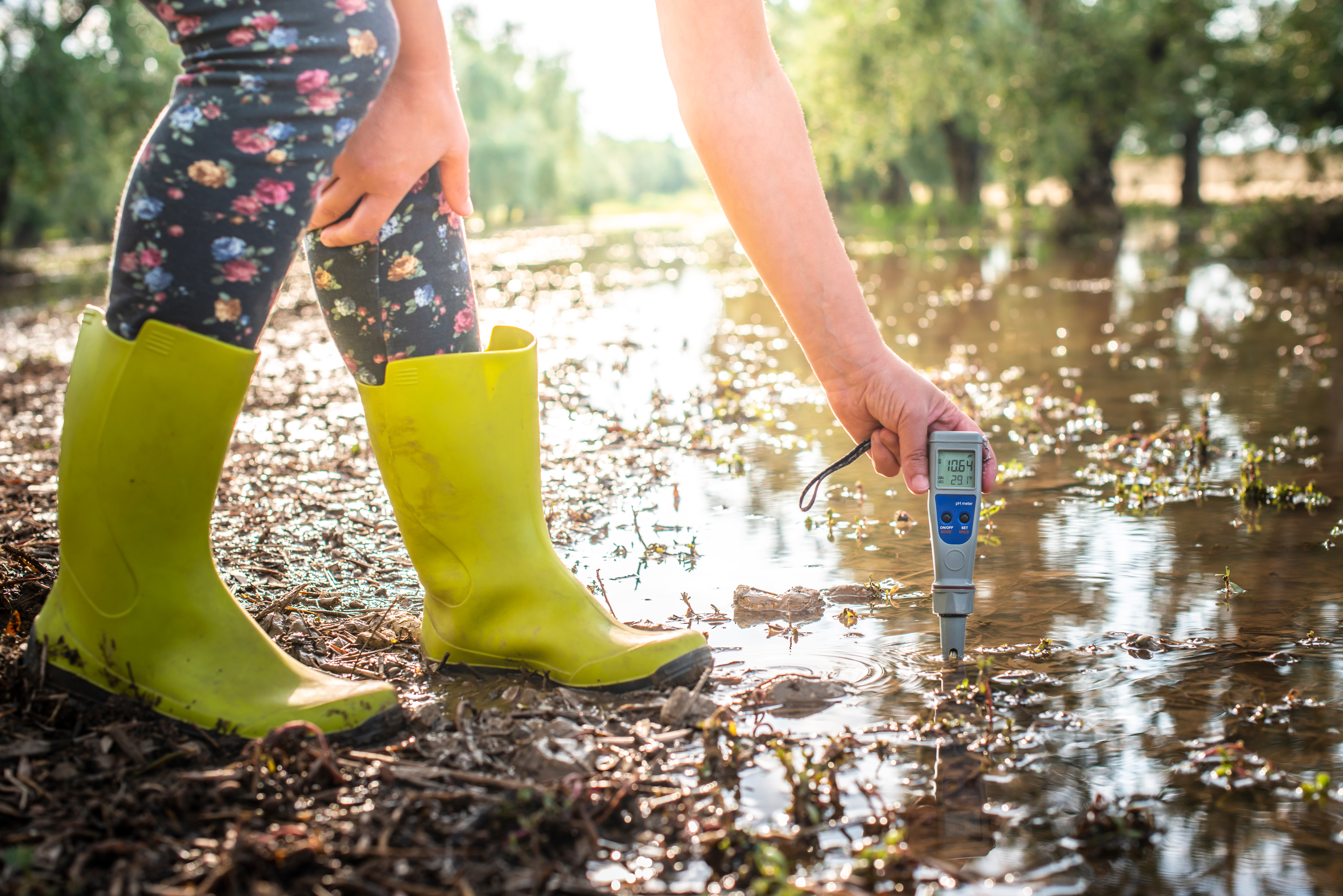
Mass IoT deployment
- smart sensors and meters installed across the water cycle to make management more agile and precise. The data is there; what’s been missing is the infrastructure to act on it in real time.
Routine Earth observation
- integrating satellite monitoring into everyday water management, reducing administrative burden while dramatically increasing spatial coverage and speed of response.
A coherent digital governance framework — common standards, open data, FAIR principles (Findable, Accessible, Interoperable, Reusable), and cybersecurity built in from the start.
The numbers behind the initiative are striking.
- Smart metering alone can reduce water use by up to 25%.
- Digital systems add a further 5–8% saving.
- Leak detection cuts consumption by another 7–14%.
- The global water technology market is worth €111.7 billion per year, and the EU holds 40% of all water-related patents worldwide.

Why this matters at the ocean end
The document explicitly references a source-to-sea approach — and this is where we at SaveOcean enters the picture.
Every river eventually reaches the sea. Every farm runoff, urban wastewater discharge, and mismanaged stormwater event that escapes the freshwater monitoring net ends up in the marine environment. Digitizing the freshwater system creates a continuous data chain — one that, if built with the right interoperability standards, can extend seamlessly to the coast and beyond.
The EU initiative also calls out the Digital Twin of the Ocean by name as a tool to be aligned with. This isn’t a side mention — it signals that European policymakers understand that water resilience cannot stop at the shoreline.
SaveOCEAN contribution
At SaveOcean, we build AI monitoring tools, open dashboards, and field-ready infrastructure for ocean health. Our OceanQuest platform and BlueBerth marina management system are already operating at the intersection the Commission is now trying to build policy around: real-time data, IoT deployment, and actionable intelligence at the water’s edge.
The Commission is calling for stakeholder input from technology providers. We intend to provide it.
The pillars being proposed — AI, IoT, Earth observation, open data governance — are not future technologies. They are operational today in the ocean sector. The EU would benefit from learning what the marine industry has already built, and the marine industry would benefit from being included in the interoperability standards being developed for freshwater.
What happens next
The call for evidence is open for stakeholder submissions until 24 June 2026. The final action plan is expected to be communicated to the European Parliament and the Council in Q4 2026.
We are preparing a formal response. If you work in water management, marine technology, environmental monitoring or policy — and want to align input — reach out.
The ocean is the end point of every water system. It deserves a seat at this table.
Call for evidence link here