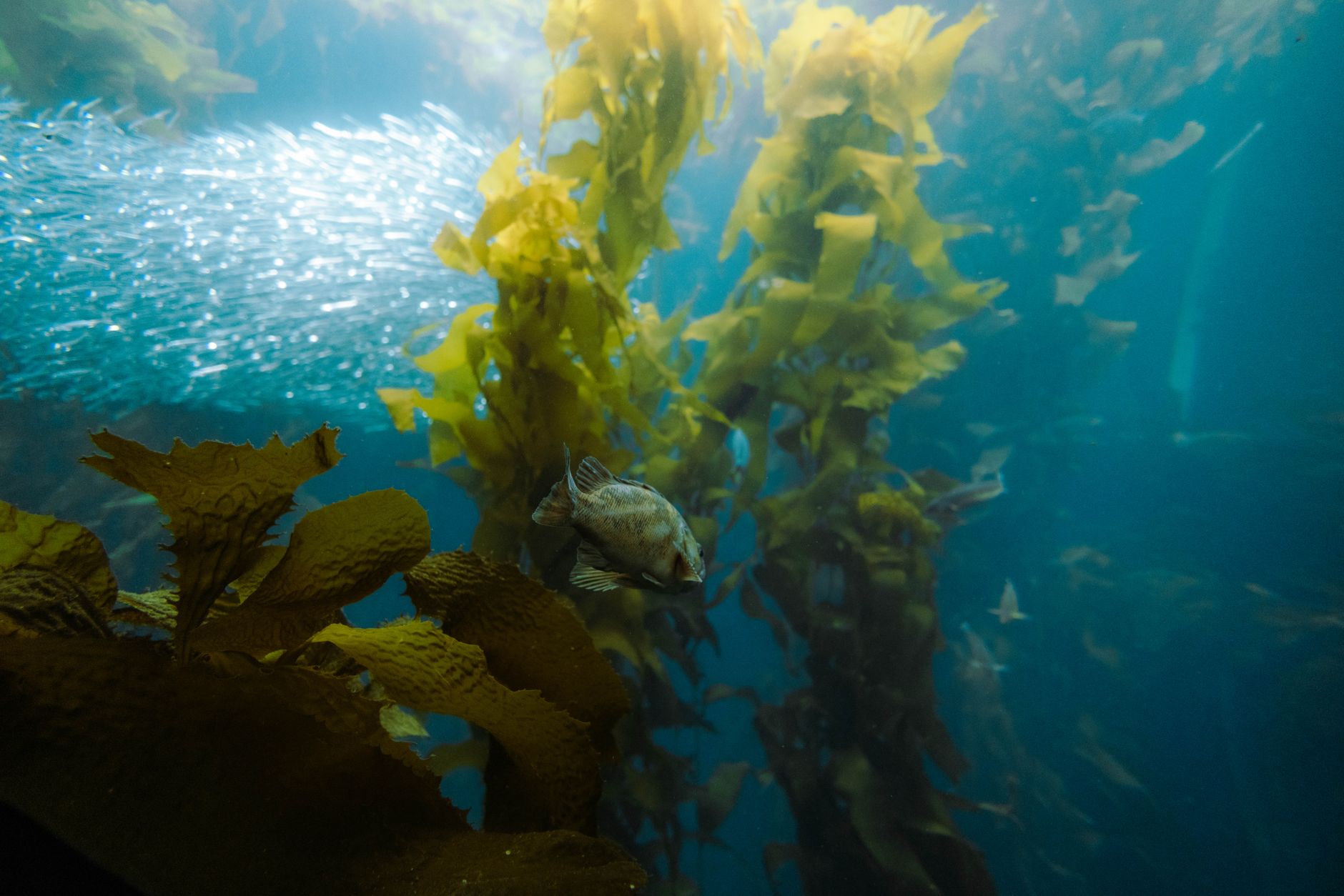
We are running an ocean awareness campaign called #MyBlueView.
What is the campaign about? Why does it matter?
Carl Sagan describes the Earth as a beautiful “Pale Blue Dot” from space, for color the Ocean imparts.
Our planet is shaped, colored, and sustained by one vast ocean system. Although we give different parts of it different names — the Atlantic, Pacific, Indian, Arctic, and Southern Oceans — they are all connected. It is one ocean, moving around one planet, supporting one shared future.
The ocean is Earth’s lifeline.
It regulates our climate, supports biodiversity, feeds communities, stores carbon, produces oxygen through marine life such as phytoplankton, and connects every corner of our planet through water. It carries heat, nutrients, weather patterns, livelihoods, cultures, and stories.
Yet today, the ocean stands at a critical crossroads.
Overfishing, plastic pollution, coastal degradation, climate change, ocean warming, acidification, and the loss of marine habitats are placing immense pressure on this vital system. As marine biodiversity declines, the ocean’s ability to absorb carbon, regulate climate, and support life also weakens. These challenges are deeply connected, and they affect all of us — not only people who live near the sea.
Why is the Ocean is Closer Than You Think?

Many people think ocean protection is only for scientists, divers, fishers, coastal communities, or environmental organizations.
But that is not true.
The ocean is connected to all of us.
If you live near the coast, you may see these changes directly: polluted beaches, disappearing marine life, coastal flooding, erosion, warmer waters, or changing fish populations.
But even if you live far inland, you are still connected to the ocean.
The rain that falls in your city, the river that flows through your town, the drain outside your home, the food on your plate, the air you breathe, and the climate patterns you experience are all linked to the ocean in some way.
Water moves. Pollution moves. Heat moves. Carbon moves. Our choices move too.
That is why ocean action cannot belong only to people at the coast. It belongs to everyone.
Click here to Join The #MyBlueView Campaign.
The Climate Extremities – the Floods, Rain, El Niño – Has Something To Do With The Ocean
A lot more than most people realize.
The ocean and the atmosphere are constantly exchanging heat, moisture, and energy. This exchange helps shape weather and climate across the planet.
When the ocean warms, more water evaporates into the atmosphere. Warmer air can hold more moisture, which can lead to heavier rainfall in some regions. In other places, changing ocean temperatures can shift weather systems away, contributing to drought or reduced rainfall.
This is why some communities may experience unusual flooding, while others face water shortages.
Events like El Niño are also ocean-driven. El Niño begins with unusual warming in parts of the Pacific Ocean. That warming can affect wind patterns, rainfall, storms, fisheries, agriculture, and temperatures across the world.
So when your community experiences unusual floods, less rain, stronger storms, warmer seasons, or changing weather patterns, the ocean may be part of that story.
The ocean is not far away. It is in the weather above us, the water around us, and the climate we all live within.
Click here to Join The #MyBlueView Campaign.
What Can I Do to Help?
The problems facing the ocean can feel huge.
But the first step is simple: start seeing.
The first action one can take is awareness.
Start noticing the water near you. Start asking where it comes from and where it goes. Start talking about what is changing. Start sharing what you love, what worries you, and what you want to protect.
Awareness is not “just awareness.”
Awareness is where action begins.
When people see, they care.
When people care, they talk.
When people talk, communities move.
When communities move, change becomes possible.
Click here to Join The #MyBlueView Campaign.
How “My Blue View” Can Create Ocean Awareness

My Blue View is a 2-week global campaign by SaveOCEAN inviting people around the world to connect with the ocean through water, stories, and small actions.
You do not need to be a scientist.
You do not need special equipment.
You do not need to live near the sea.
You do not need money to participate.All you need is your blue view.
Week 1, we invite you to share a photo, video, drawing, or memory of water near you.
It could be the ocean outside your window, a river in your city, rain on your street, a lake you grew up near, or a memory of the sea.
Week 2, we invite you to take one free ocean-friendly action and share it.
It could be sharing how the Ocean looks that particular day – temperature, visibility, algal blooms; create an awareness message, or conduct a cleanup/sorting action.
At the end of the campaign,
The two most creative posts, and the two most impactful action gets
– an Ocean artwork supporting indigenous communities
– a feature on the SaveOCEAN Global Blue Wall — a digital collage celebrating ocean voices from around the world
– a stylish SaveOCEAN T-Shirt.
This is not about competition.
It is about recognition, connection, and community.
The SaveOCEAN Global Blue Wall will bring together photos, memories, stories, and small actions from people across different countries and communities. It will show that ocean protection is not one person’s job, one organization’s mission, or one country’s responsibility.
It is a shared story.
And your voice can be part of it.
Click here to Join The #MyBlueView Campaign.