A strengthening El Niño is once again influencing weather patterns across the planet, bringing an increased risk of extreme heat, drought, floods, and marine ecosystem disruption. According to the latest assessments from the World Meteorological Organization (WMO) and the U.S. Climate Prediction Center (CPC), El Niño conditions are expected to continue intensifying through the remainder of the year, increasing the likelihood of severe weather events on top of the long-term effects of climate change.
For coastal communities, marine biodiversity, agriculture, and water security, the months ahead could prove especially challenging. While El Niño is a naturally occurring climate phenomenon, warmer global temperatures are amplifying many of its impacts, making preparation more critical than ever.
Asia: Heatwaves, Weak Monsoons and Water Stress
Asia: Heatwaves, Weak Monsoons and Water Stress

Across Asia, governments are preparing for an unpredictable season marked by prolonged heat, uneven rainfall and mounting pressure on water resources. India faces the possibility of weaker monsoon rainfall in several regions, raising concerns over crop production and food prices. Southeast Asian nations, including Indonesia, Thailand and the Philippines, are also expected to experience drier conditions that increase the risk of wildfires and water shortages.
Meanwhile, parts of China may see heavier-than-average rainfall alongside periods of extreme heat, creating a complex mix of flooding and drought across different provinces. Scientists caution that regional impacts will vary, but agriculture, hydropower generation and public health are all likely to be affected.
Australia and Oceania: Drought Threat Looms
Australia is entering a period of heightened concern as El Niño typically brings hotter and drier weather across much of the country. Authorities are closely monitoring wildfire risks, declining soil moisture and pressure on reservoirs. Farmers are already preparing for reduced crop yields and livestock stress if rainfall continues to decline.
Across the Pacific Islands, changing rainfall patterns could threaten freshwater supplies, while warmer ocean temperatures place additional stress on coral reefs that are already recovering from previous marine heatwaves.

North America: Contrasting Weather Extremes
El Niño rarely affects every region in the same way. In North America, seasonal forecasts indicate warmer-than-average conditions across parts of the northern United States, while the southern U.S. could experience wetter conditions later in the year. However, localized heatwaves, flash flooding and severe storms remain possible as atmospheric circulation patterns shift.
Canada is also expected to see warmer conditions in several regions, increasing wildfire concerns in vulnerable forested areas if dry conditions persist.El Niño rarely affects every region in the same way. In North America, seasonal forecasts indicate warmer-than-average conditions across parts of the northern United States, while the southern U.S. could experience wetter conditions later in the year. However, localized heatwaves, flash flooding and severe storms remain possible as atmospheric circulation patterns shift.
Canada is also expected to see warmer conditions in several regions, increasing wildfire concerns in vulnerable forested areas if dry conditions persist.
South America: Fisheries and Forests Under Pressure
South America’s Pacific coastline is among the first regions to feel El Niño’s effects. Warmer ocean waters reduce the upwelling of nutrient-rich water, affecting fish populations that support major fisheries in Peru and Ecuador.
Inland, altered rainfall patterns may trigger flooding in some areas while intensifying drought elsewhere. The Amazon rainforest also faces heightened stress from hotter and drier conditions, increasing wildfire risk and reducing its ability to store carbon—an important natural defence against climate change.
Africa: Growing Risks to Food and Water Security
Eastern and southern Africa often experience contrasting impacts during El Niño events. Some regions may receive heavier-than-normal rainfall that raises flood risks, while others face prolonged dry spells that threaten agriculture and drinking water supplies.
For communities already vulnerable to food insecurity, changes in seasonal rainfall can significantly affect crop production, livestock health and access to clean water. Humanitarian agencies are urging governments to strengthen early warning systems and preparedness measures before conditions worsen.

Europe: Heatwaves Intensify Climate Challenges
Although El Niño’s influence is less direct in Europe, it can contribute to broader atmospheric patterns that favour hotter-than-average conditions in parts of the continent. Scientists stress that El Niño acts alongside long-term climate warming, increasing the probability of record-breaking temperatures and prolonged heatwaves.
Higher temperatures also increase energy demand, strain water resources and heighten wildfire risks across southern Europe, while sudden heavy rainfall events remain possible in other regions.

Oceans Feel the Heat
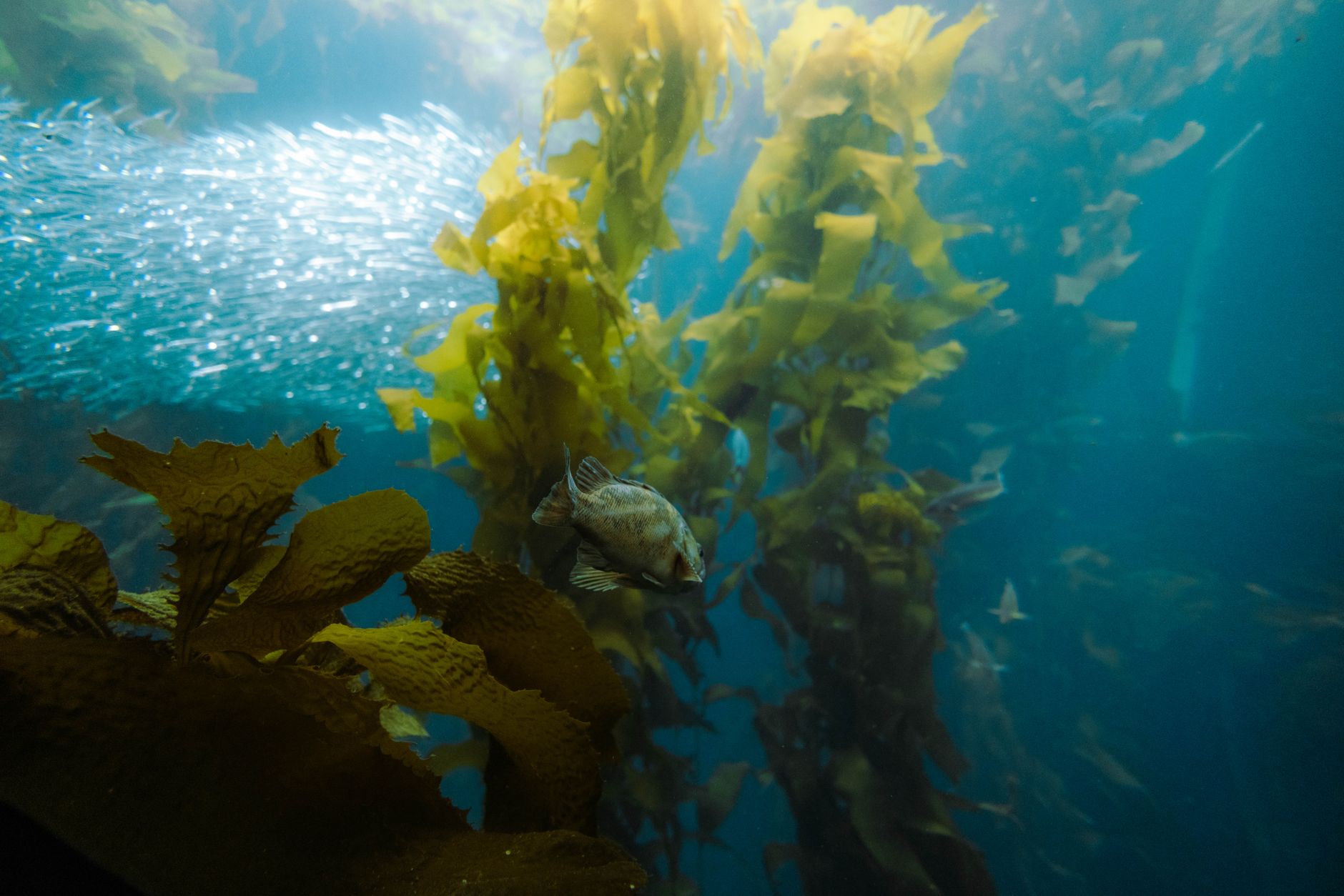
For marine ecosystems, El Niño brings more than shifting weather. Rising sea surface temperatures reduce nutrient availability, disrupt marine food chains and increase the likelihood of coral bleaching. Fisheries dependent on healthy ocean productivity may experience declining catches, affecting both livelihoods and food security.
Scientists warn that the combination of El Niño and human-driven climate change is creating increasingly stressful conditions for marine biodiversity worldwide.
Looking Ahead
Meteorological agencies continue to monitor the evolution of this El Niño, with forecasts indicating a high probability that it will strengthen further in the coming months. While no two El Niño events are identical, experts agree that early preparedness—from conserving water and protecting vulnerable communities to safeguarding marine ecosystems—can significantly reduce its impacts.
As the Pacific continues to warm, this climate phenomenon serves as another reminder that natural variability and human-driven climate change are now interacting in ways that make extreme weather more frequent, more intense and increasingly global.